Tree trimming prices can vary significantly because not all companies are offering the same level of service, safety, or expertise. Lower prices often reflect reduced insurance coverage, smaller or untrained crews, limited cleanup, or cutting methods that prioritize speed over tree health.
Professional tree trimming costs are influenced by several key factors:
Insurance & licensing – Fully licensed, bonded, and insured companies carry higher operating costs but protect homeowners from liability.
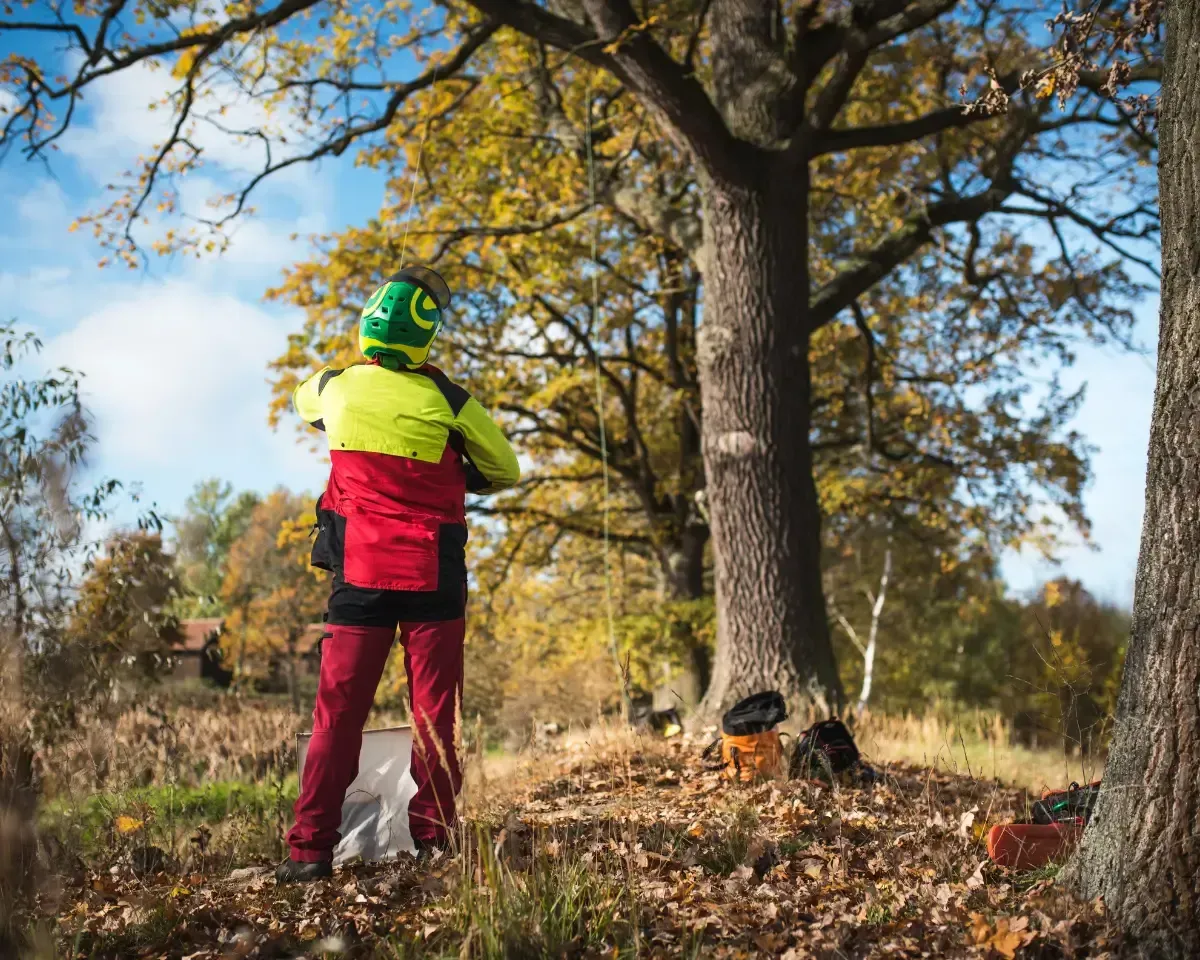
Crew size & training – Experienced arborist-led crews work safer and more efficiently, especially around homes, power lines, and tight access areas.
Rigging & safety methods
– Trees near structures often require controlled rigging, aerial climbing, or advanced equipment instead of simple drop-zone cutting.
Cleanup standards
– Full debris removal, wood handling, and site cleanup are not always included in low bids.
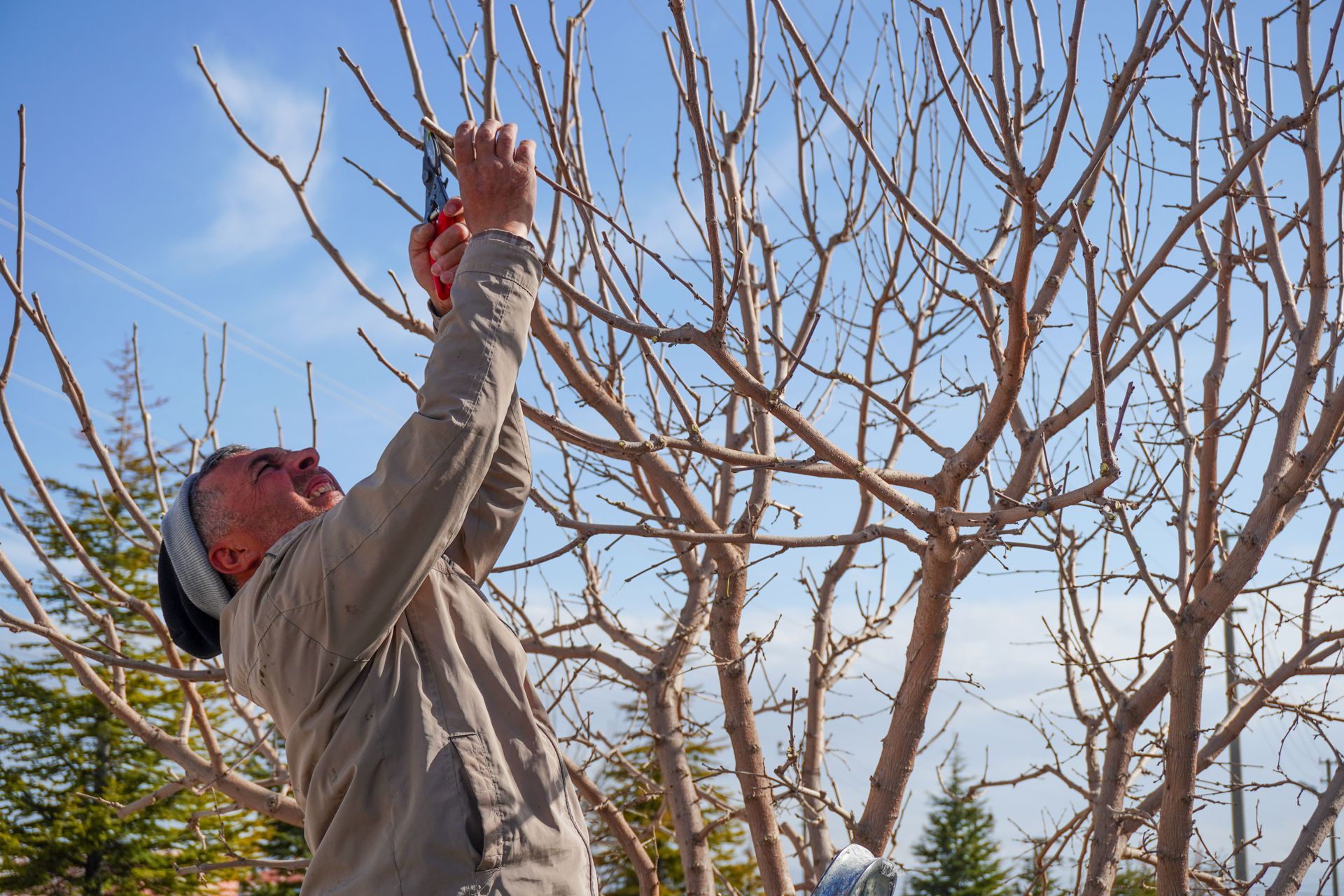
Tree health & pruning quality
– Proper pruning follows ANSI A300 standards to protect long-term tree structure and reduce future failure risk.
Permits & code compliance
– In Seattle and surrounding cities, some trimming work requires permit awareness or coordination with local regulations.
In many cases, a lower upfront price can lead to higher long-term costs if improper trimming damages the tree, creates decay, or increases the likelihood of future removals. Choosing a qualified tree care company means paying for safe work, proper pruning practices, and long-term tree health—not just the lowest bid.