1. Assessment & Planning
We evaluate tree condition, nearby targets, access, and the safest removal method.
ISA Certified Arborists · Licensed · Bonded · Insured
4.8★ Google rating · 260 reviews
Safe, professional tree removal for hazardous, storm-damaged, declining, and unwanted trees throughout Seattle and the Puget Sound region. Our ISA Certified Arborists and TRAQ-qualified professionals handle complex removals near homes, fences, utilities, slopes, and limited-access properties while accounting for local tree regulations and permit requirements.
Safe removal of hazardous, dead, or unwanted trees using professional rigging and controlled dismantling.
Learn more →Rapid response for fallen or storm-damaged trees threatening homes, structures, or access points. Learn more →
Stump grinding to restore usable space and reduce trip hazards, regrowth, and decaying wood. Learn more →
We evaluate tree condition, nearby targets, access, and the safest removal method.
We use sectional dismantling, rigging, or crane assistance when needed to protect surrounding property.
We remove debris and leave the work area clean, safe, and ready for the next step.
Large, declining, storm-damaged, or confined trees may require specialized rigging, controlled dismantling, or crane assistance. Our ISA Certified Arborists assess structural condition, nearby targets, access constraints, and site hazards before work begins.
Large evergreens such as Douglas fir, Western red cedar, hemlock, spruce, and pine can remain healthy for decades, but removal may become necessary when severe decay, root failure, storm damage, structural defects, or advanced decline create an unacceptable level of risk.
Evergreen tree removal may be appropriate when there is advanced root rot, root-plate movement, severe trunk decay, major storm damage, extensive canopy decline, or structural defects that cannot be reasonably reduced through pruning or other mitigation.
Not every brown, leaning, or damaged evergreen needs to be removed. Some trees can remain viable with selective pruning, deadwood removal, improved root-zone conditions, plant health care, or ongoing monitoring.
Mature Douglas firs, cedars, spruce, and other conifers can be tall, heavy, and difficult to remove safely, especially near homes, fences, neighboring properties, utilities, slopes, or limited-access yards.
Depending on the site, removal may require technical climbing, controlled rigging, specialized lowering systems, or crane assistance. The removal plan should account for access, tree condition, nearby structures, and safe handling of large wood and debris.
If you are unsure whether an evergreen should be removed, an ISA Certified Arborist can evaluate the tree's species, structure, root condition, surrounding targets, and level of risk before recommending preservation, monitoring, pruning, or removal.
Sound Tree Care provides evergreen tree removal and arborist evaluations for Seattle-area properties, including mature and high-risk conifers near homes, driveways, slopes, streets, and other occupied areas.
Have the tree evaluated before making a removal decision. We can assess its condition, structure, location, and risk and recommend the most appropriate next step.
Sound Tree Care provides professional tree removal in Puyallup for hazardous, declining, storm-damaged, and difficult-access trees. Our ISA Certified Arborists evaluate tree condition, nearby structures, access constraints, and local permit considerations before recommending removal.
Assessment and removal of dead, damaged, structurally compromised, or high-risk trees near homes and occupied areas.
Controlled dismantling and rigging for trees near homes, fences, utilities, slopes, and limited-access properties.
Not every problem tree requires removal. An arborist can help determine whether pruning, monitoring, mitigation, or removal is the appropriate next step.
Need tree removal, pruning, a tree risk assessment, or an arborist evaluation in Puyallup?
View Our Puyallup Tree Service & Arborist Services →Tree removal in Seattle can involve more than simply cutting down a tree. Cost, tree condition, access, nearby structures, permits, emergency hazards, and stump removal can all affect the process. These frequently asked questions cover some of the most common concerns Seattle-area homeowners have before scheduling professional tree removal.
Tree-removal cost depends on tree size, condition, access, nearby structures, equipment needs, cleanup, and permit requirements. Large, hazardous, or crane-assisted removals usually cost more than straightforward removals with open access. See our Seattle tree-removal cost guide for detailed pricing factors and examples.
A tree may be considered dangerous when defects such as decay, dead tops, cracks, root instability, or excessive lean increase the likelihood of failure. Trees near homes, sidewalks, or frequently occupied areas pose a higher risk when defects are present.
In many cases, yes. Seattle and surrounding cities regulate tree removal, especially for large, protected, or environmentally sensitive trees. Permit requirements depend on tree size, species, and location.
Yes. Trees near structures or utilities are removed using controlled dismantling techniques and advanced rigging or crane systems when necessary to maintain safety and prevent damage.
Stumps can be left in place or removed through stump grinding. Grinding reduces the stump below ground level, allowing the area to be regraded or replanted.
Emergency tree removal may cost more due to urgent response, hazardous conditions, and after-hours work. Storm-damaged or unstable trees often require additional safety measures.
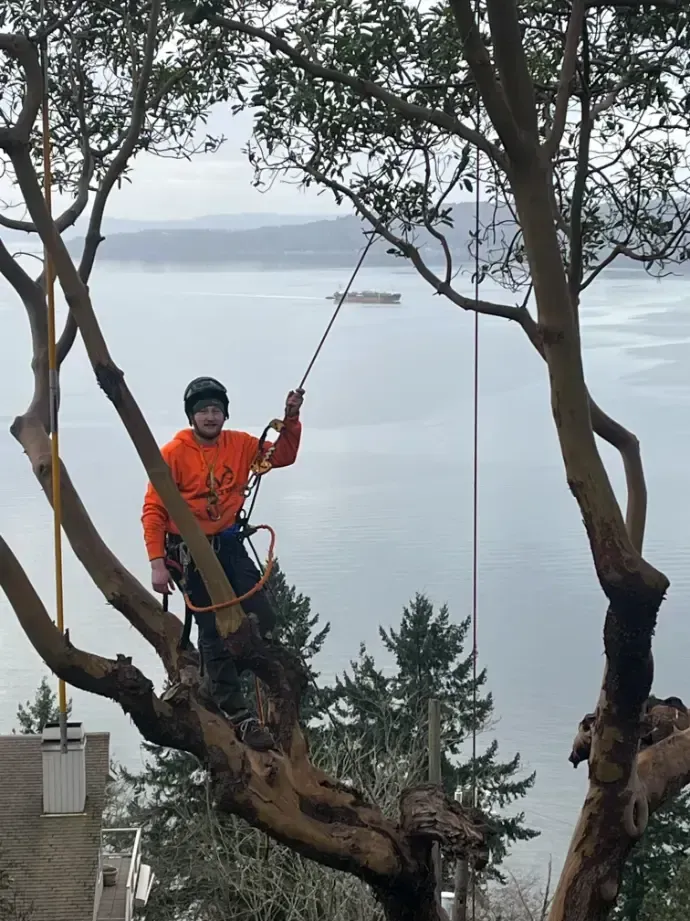
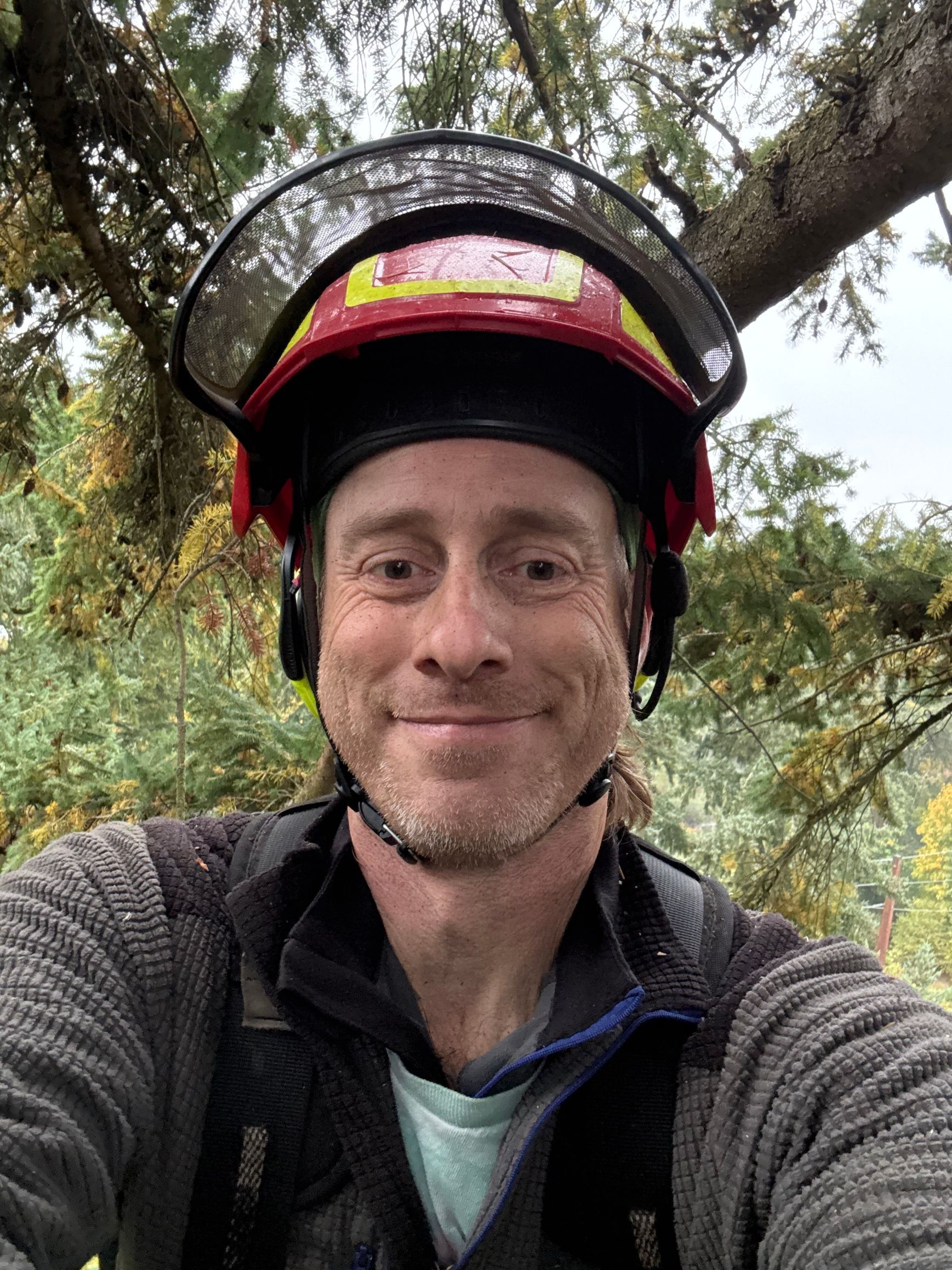
Safe Removal for Hazardous, Storm-Damaged, and Difficult-Access Trees
Whether you’re dealing with a hazardous tree, tight-access removal, storm damage, or a backyard project, our ISA Certified Arborists provide safe, code-compliant, and efficient removals across Seattle and the Puget Sound region.
Call 206-486-7790 to speak with an arborist.
Sound Tree Care LLC Operations
(Not Open to Public)
3057 S 146th St SeaTac, WA 98168
Office Hours
Mon–Fri: 8:00 AM – 4:00 PM

ISA-Certified Arborists Serving Seattle
✅ Tree Removal
✅ Tree Pruning
✅ Stump Grinding
✅ Arborist Reports
✅ Tree Risk Assessments