Tree Care Resources, Costs & Tree Law Guide

Sound Tree Care Logo

Welcome to the Sound Tree Care Resource Hub — your trusted guide for expert tree care guidance for the Puget Sound region. Here you’ll find practical homeowner tools, cost insights, pruning and maintenance tips, Tree Law guidance, and educational articles written by ISA-Certified Arborists.


This Resource Hub connects homeowners to our complete library of tree care guidance, including tree removal safety, local tree laws, planting advice, arborist tools, and cost resources — helping you make confident decisions about pruning, removal, safety, and long-term tree health.
Certified Arborist Badge

Written by: Eric Ledford, ISA Certified Arborist (PN-9290A)

Reviewed by: Dana Ledford, ISA Certified Arborist (PN-10173A)

Sound Tree Care LLC – Seattle, Washington

Last updated: January 2026

⚖️ Tree Law in Washington State

Tree laws in Washington State govern who owns trees, who is responsible for them, and what rights and liabilities apply when trees affect neighboring properties, views, or structures. These laws are established at the state level and interpreted through court decisions, municipal codes, and established arboricultural standards.

This section explains the legal principles behind tree ownership, boundary trees, neighbor disputes, property damage liability, and view obstruction conflicts.

While cities manage permits and enforcement, tree law applies statewide and often determines outcomes when disputes or property damage occur.

  • If your situation involves shared trees, neighbor conflict, or potential property damage, understanding tree law is the first step before pursuing permits or tree work.


🏙️ Tree Permits by City in Washington State

Tree permitting requirements in Washington State are city-specific, with rules that vary widely based on location, zoning, tree size, and environmental protections. Most cities regulate tree removal, pruning, and construction impacts through municipal codes rather than state law. Because these rules vary widely, permit requirements in Seattle may be very different from nearby cities like Bellevue, Renton, or Tacoma.

This hub provides city-by-city guidance on tree permit requirements, including:

  • Significant tree size thresholds
  • Environmentally Critical Areas (ECAs)
  • Street and right-of-way tree rules
  • When permits are required (and when they are not)

Each city page links directly to official municipal resources and summarizes key permit triggers homeowners commonly encounter during tree removal, pruning, or construction planning.

Because permit rules change frequently and enforcement is local, this section is organized by city to help homeowners quickly find accurate, location-specific information before scheduling tree work or submitting applications.

  • If you’re planning tree removal, development, or major pruning, start here to confirm whether a permit is required in your city.


Helpful Tools & Tree Care Resources

Use these tools and guides to estimate costs, measure your trees, understand your options, and manage your tree care projects. These resources are designed by our ISA-Certified Arborists to help homeowners make confident, informed decisions before scheduling service.  Looking for something specific? Choose a tool or guide below.

🌲 Tree Care Basics

Foundational guidance for maintaining healthy, resilient trees year-round.

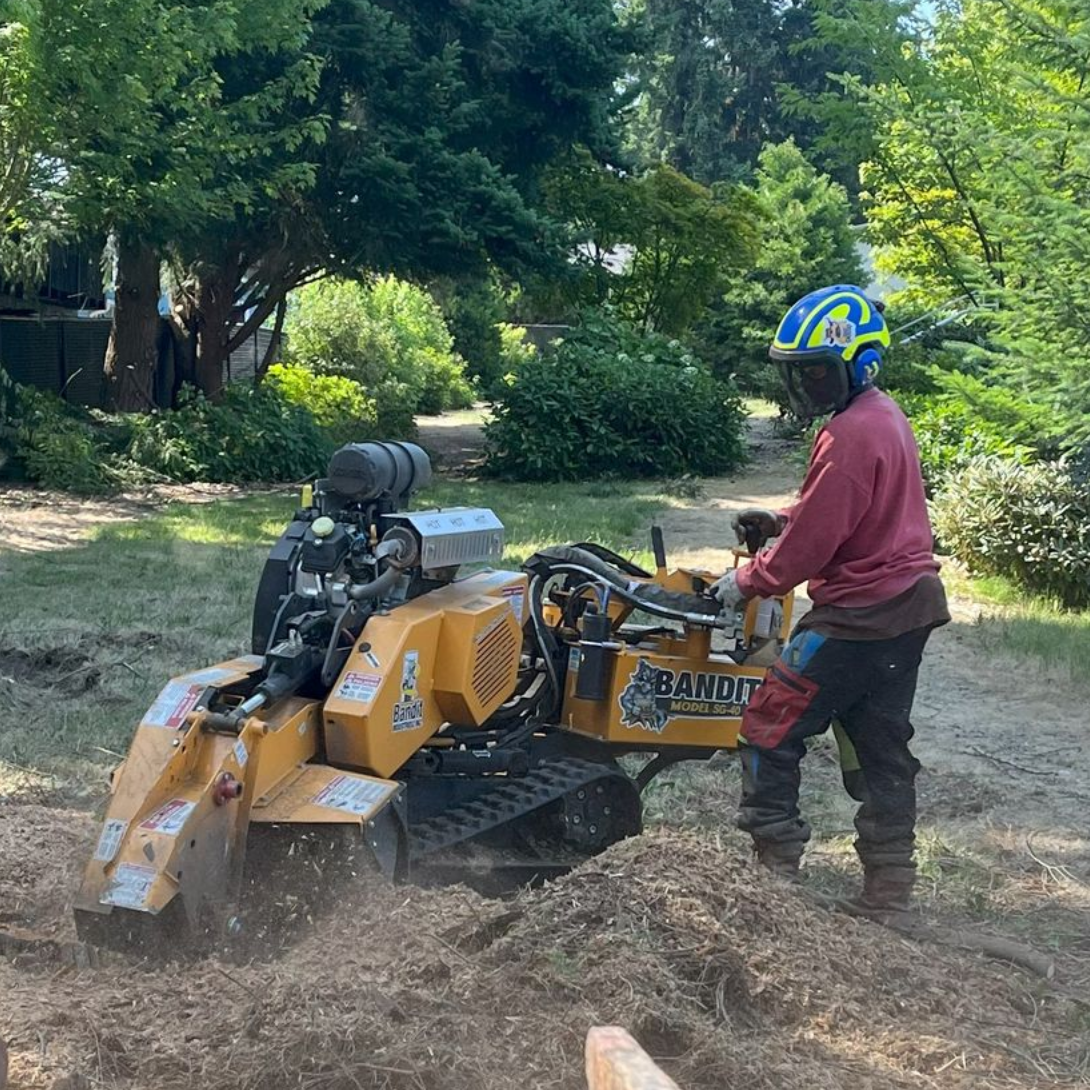
🪓 Tree Removal, Risk & Safety

🌱 Tree Selection & Planting

🪵 Free Wood Chips & Firewood Program

📚 Additional Resources

Free Tree Programs & Community Tree Giveaways in the Puget Sound Region

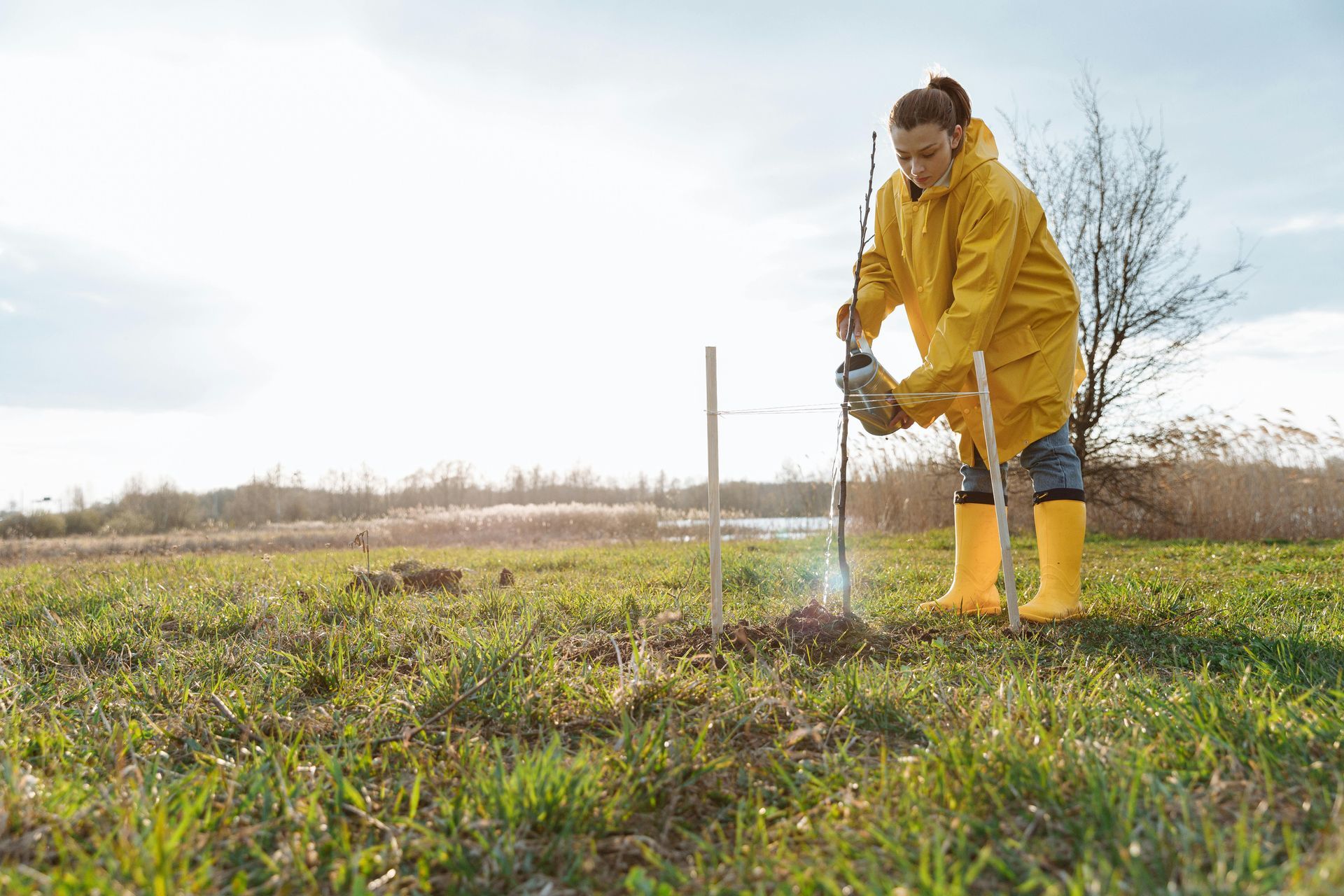
Person in yellow raincoat plants something outdoors with a shovel.

Many cities and nonprofit organizations across the Puget Sound region offer free or subsidized trees to residents as part of urban canopy, climate resilience, and neighborhood greening programs. Availability, eligibility, and species vary by location and season. Below is a curated list of legitimate programs we regularly reference for homeowners looking to plant new trees responsibly.

If you need help selecting the right tree for your property, planting correctly, or managing long-term growth near structures or utilities, our ISA-Certified Arborists can help.

🌿 Seattle Residents

Get free yard trees, planting support, care resources, and more from the City of Seattle’s flagship tree giveaway program. Applicants can receive trees delivered to their property and support to plant and care for them.

 🌳Nearby Cities Free Tree Programs

Bellevue offers free trees for residents and community organizations as part of its urban canopy initiative, in partnership with 300 Trees and other sponsors. Participation often includes training on proper planting and care.

Tacoma’s Urban Forestry Grit City Trees program offers free street trees (and supporting materials) to eligible residents for right-of-way planting. It’s an annual program with applications typically opening in mid-summer and planting in fall.

Shoreline’s Communi-trees program provides one free tree per property, help selecting tree species, and planting supplies for eligible residents.

The Burien Tree Giveaway is offered through the Green Burien Partnership and King Conservation District. In recent years, residents have been able to pick up free trees in fall to plant on private property with landowner permission.

 Regional & Nonprofit Tree Programs

  • 300 Trees (King County) – 300 Trees is a nonprofit running large annual tree giveaway events across King County. Residents, schools, and organizations can select trees (often up to 3 per household) and pick them up at scheduled distribution sites.
  • Tacoma Tree Foundation – The Tacoma Tree Foundation works with local partners and neighborhood volunteers to distribute free or low-cost trees and organize planting events to grow Tacoma’s urban canopy.

💳 Tree Voucher Programs

  • Lynnwood Tree Voucher Program – Lynnwood residents can apply for up to $500 in tree vouchers each year — a coupon you use at participating nurseries to select and plant your own trees at no direct tree cost (aside from planting). 

📅 Most of these programs run seasonally (typically spring or fall) and may require advance registration; check the links above for current availability.


Need help choosing the right tree, planting correctly, or managing long-term growth near structures or utilities? Our ISA-Certified Arborists can help.

Free Wood Chips & Firewood from Local Tree Removals

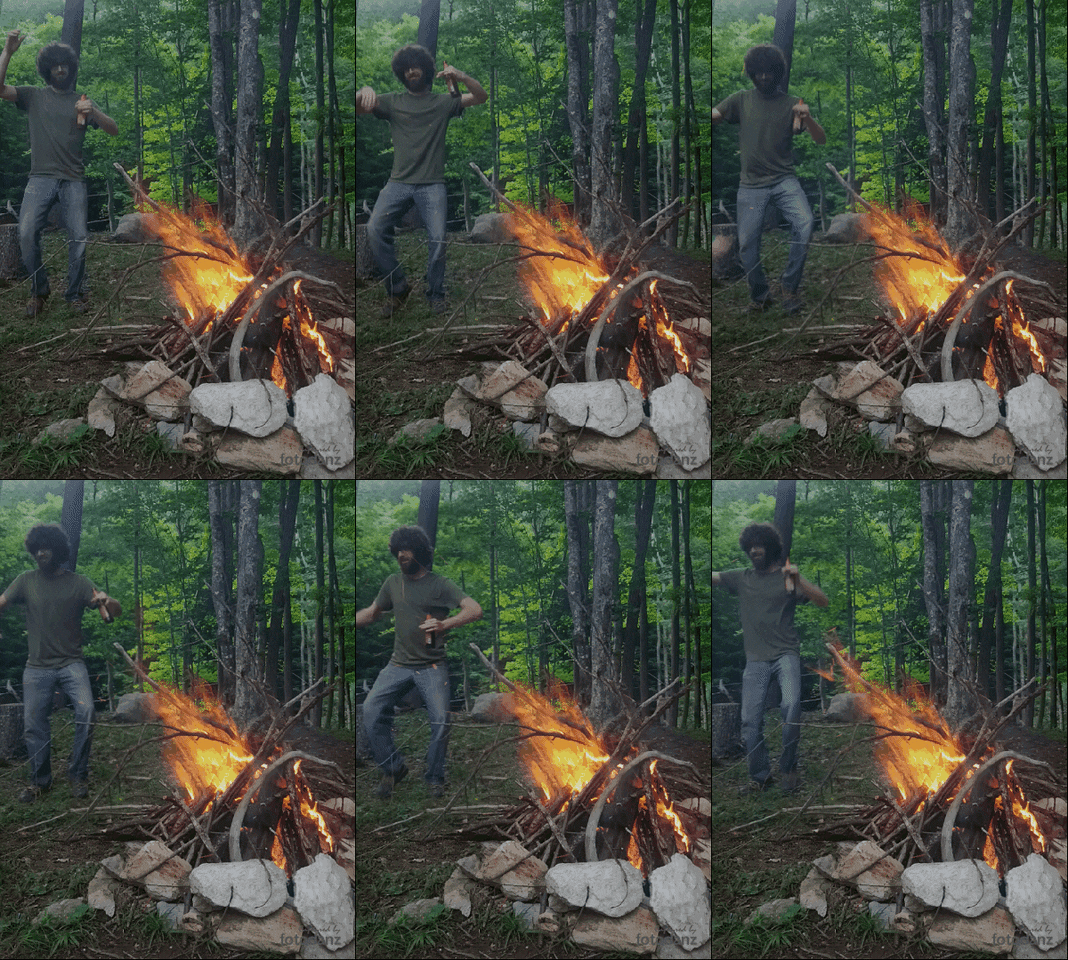
Community members repurposing salvaged wood from local tree removals.

We offer free wood chips, logs, and tree rounds to homeowners, gardeners, and community members throughout the Seattle area. These materials come directly from active tree removal and pruning projects performed by our ISA-Certified Arborists and help reduce waste while supporting gardens, landscaping, erosion control, and firewood needs. Availability depends on current job locations and timing. This program is one of the ways we reduce waste from local tree removals while giving back to the community.

Sound Tree Care Blog & Educational Guides

Our blog is where we publish timely, practical guidance on tree care, safety, permitting, costs, and homeowner responsibilities across the Puget Sound region. Articles are written and reviewed by ISA-Certified Arborists and focus on real questions we see every day—from tree law and permits to pruning best practices, storm response, planting decisions, and long-term tree health.

Below you’ll find a selection of our most recent and most referenced posts. You can also browse the full blog to explore articles by topic, search for specific questions, or review guides organized around tree law, permits, costs, and arborist best practices.

Whether you’re planning tree work, dealing with a neighbor issue, researching costs, or simply trying to care for your trees responsibly, the blog is designed to help you make informed decisions before taking action.

👉 Explore the full Sound Tree Care Blog

By eric B April 14, 2026
If you own property with trees near power lines, recent changes to Puget Sound Energy’s vegetation management policies may leave you exposed to risk you cannot directly control. Based on direct conversations with PSE representatives, their vegetation management program is currently described as limited to: Routine, scheduled clearance pruning No customer-initiated make-safe requests (outside of emergency conditions) No customer-initiated make-ready work outside of emergencies 👉 In practical terms, this means that even when a tree appears hazardous to a homeowner or arborist, PSE will not intervene unless it falls within their maintenance schedule or meets emergency criteria . Are Puget Sound Energy’s Priorities Aligned with Customers? A recent KIRO 7 News report highlighted growing concerns about how Puget Sound Energy operates as an investor-owned utility. At the end of the segment, a key statement stood out: “PSE is not as strong an advocate for customer interests as we would like to see.” This raises an important question for homeowners: 👉When safety, vegetation management, and infrastructure upgrades compete with shareholder returns—what gets prioritized? In recent years, Puget Sound Energy has paid tens of millions annually in shareholder dividends, with projections increasing in the coming years. At the same time, many property owners are left navigating tree-related risks near utility infrastructure with limited support or delayed action. For homeowners in areas like Seattle, Bellevue, and across King County, this isn’t theoretical—it shows up in real-world tree risk scenarios every year. 🌲 Why This Matters for Tree Risk In practice, this often creates a difficult situation: Vegetation management cycles may be delayed or minimal Proactive pruning is often limited to clearance requirements Hazard mitigation tends to be reactive instead of preventative Homeowners are restricted from acting, yet still exposed to risk 👉 The result: Responsibility without control. 💡 Where Property Owners Regain Control When utilities aren’t moving fast enough, documentation becomes critical: ISA-certified arborist reports establish objective risk Certified notification creates foreknowledge Proper documentation helps define liability pathways This isn’t just tree care—it’s risk management and protection for your property . While Puget Sound Energy operates under state regulation and oversight, situations like these highlight the importance of independent evaluation when safety risks are present. More broadly, it raises a bigger question about whether essential infrastructure like power delivery—especially where public safety is directly impacted—should be operated with shareholder profit as a primary objective. Many communities across the country rely on publicly owned utilities, where reinvestment into infrastructure and safety is prioritized over dividend payouts. Regardless of how that debate evolves in Washington State, property owners today are still responsible for managing the real risks posed by trees near utility infrastructure—and that requires proactive evaluation and documentation. In many cases, response timelines, scope limitations, or clearance-focused pruning standards mean that hazardous conditions affecting private property may not be addressed as quickly or comprehensively as homeowners expect. ⚠️ Key Takeaway Utility clearance does not mean a tree is safe. A lack of utility action does not mean a tree is low risk. 👉 It simply means it may fall outside their current scope or priorities. Why This Matters: Tree Risk Doesn’t Follow a Schedule From an arboricultural perspective, a fixed 3–4 year pruning cycle does not align with how trees behave in real-world conditions. Within that timeframe: Trees continue to grow toward structures and service lines Storms and wind events cause limb failure and structural damage Decay and defects can progress rapidly Root systems may be impacted by construction or soil changes 👉 Tree risk is dynamic. Maintenance cycles are static. A tree that is safe today may become hazardous long before the next scheduled utility visit. The Gap Between Clearance and Safety Utility vegetation management programs are designed to: Maintain clearance from power lines Support system reliability However, professional tree risk assessments evaluate something different: Likelihood of tree or limb failure Likelihood of impact on people or property Consequences of that failure 👉 These are not the same thing. A tree can: Meet clearance requirements Be structurally compromised Still present a high risk of failure toward a home Under a schedule-only system, those trees may go unaddressed. What We’re Seeing in the Field At Sound Tree Care, we’ve encountered multiple cases where: Trees were evaluated using TRAQ-based risk assessment methods The trees were assigned High risk ratings due to structural defects and proximity to targets PSE conducted their own inspection And ultimately declined to take action within their current scope of work 👉 This creates a real-world situation where a documented hazardous tree remains in place, despite professional evaluation indicating elevated risk. Across the Pacific Northwest, utility vegetation management practices vary. However, in our direct experience working with multiple utilities in the region—including Seattle City Light—there are established pathways for addressing site-specific hazards outside of routine maintenance cycles. These pathways typically include: Reviewing customer-reported hazardous trees Coordinating make-safe or make-ready work when conditions warrant Responding to time-sensitive risks between scheduled visits 👉 In practice, this allows for proactive mitigation of hazardous conditions before failure occurs. The absence of these pathways can increase risk to the community at large. The Catch-22: When Hazardous Trees Can’t Be Safely Addressed In some cases, this policy creates a practical limitation that homeowners may not be aware of. When a tree is located within minimum approach distances (MAD) of energized conductors: Standard tree service companies cannot legally or safely perform work within those clearances Only qualified line-clearance arborists with specialized training and utility coordination can operate in that space 👉 This is a critical safety boundary in arboriculture and utility work. Where the Problem Occurs Under traditional coordination: The utility performs make-safe or clearance work to reduce electrical risk Then a tree service can complete removal or mitigation safely However, when make-safe work is not available: 👉 A situation can arise where: A tree is identified as High risk The hazard is clearly documented But the tree cannot be safely accessed or mitigated by a standard tree service Why This Matters for Homeowners This creates a difficult position: The tree presents a real and elevated risk The utility may not intervene under current policy And most tree service providers are not equipped or authorized to work within required electrical clearances 👉 As a result, risk can remain in place—not because it is acceptable, but because it cannot be safely addressed due to lack of utlility coordination. A Longstanding Safety Framework Historically, coordination between utilities and tree care providers has existed to: Reduce electrical hazards before tree work begins Allow qualified tree services to safely complete removals Maintain safety for workers, homeowners, and surrounding property 👉 This framework exists for a reason: to prevent hazardous trees from becoming unmanageable risks. A Notable Difference in Approach Based on our direct conversations and field experience, Puget Sound Energy does not currently accommodate customer-initiated make-safe or make-ready requests within its vegetation management program, outside of emergency situations. 👉 This represents a meaningful departure from the more flexible, hazard-responsive approaches we routinely encounter with other utilities in the region. Why This Difference Matters Tree risk does not follow a maintenance schedule. When there is no mechanism to address: emerging structural defects post-storm damage or site-specific hazards 👉 conditions can persist where recognized risks remain unmitigated from a utility standpoint. While routine clearance supports system reliability, it does not replace: 👉 timely, risk-based intervention when hazards are identified. Documenting Risk: Why Written Arborist Reports Matter In situations where hazardous trees cannot be addressed due to utility limitations, documentation becomes critical. A professional arborist report —especially one based on TRAQ methodology—can: Clearly identify structural defects and failure potential Establish that a condition was evaluated by a qualified professional Provide a written record of elevated risk at a specific point in time 👉 This is not just about tree care—it’s about clear communication of risk. Communicating Hazard Conditions In some cases, homeowners choose to share arborist findings with relevant parties, including utilities or adjacent stakeholders. This may involve: Providing a copy of a tree risk assessment report Notifying others of documented tree hazard conditions Requesting review or coordination where appropriate 👉 The goal is simple: ensure that known risks are clearly communicated and not overlooked. Why Documentation Matters When a hazardous condition is: professionally evaluated documented in writing and communicated to involved parties 👉 it creates a clear record that the risk was identified and understood. From a risk management perspective, this helps: reduce ambiguity support informed decision-making and encourage timely action where possible Important Note for Property Owners Tree risk and liability can be complex and fact-specific. If you are concerned about: responsibility for a hazardous tree or how documented risk may affect your situation 👉 you may wish to consult with a qualified legal professional in addition to a certified arborist. Professional Takeaway From an arboricultural perspective, proactive hazard mitigation is a critical component of public safety—particularly in urban environments with high-value targets. When flexibility is limited, responsibility shifts more heavily onto: homeowners property managers and independent arborists What This Means for Homeowners If you have trees near power lines or service drops, it’s important to understand: Utility clearance pruning does not equal tree safety A lack of utility action does not mean a tree is safe Responsibility for hazard mitigation may fall entirely on the property owner 👉 This is a major shift in how tree-related risks are managed. Why This Can Increase Risk Over Time When hazardous conditions are not addressed proactively: Small defects can become major structural failures Storm events can trigger unexpected tree or limb failure Property damage risk increases Emergency removals become more likely—and more costly 👉 Waiting for a maintenance cycle does not reduce risk between cycles. What You Should Do Instead If you’re concerned about a tree near your home or power lines: 1. Get a Professional Tree Risk Assessment Have an ISA Certified Arborist evaluate: Structural integrity Failure potential Target exposure 2. Don’t Rely on Utility Clearance Alone Clearance pruning is not designed to address: Decay Structural defects Root system instability 3. Take Action Based on Risk Depending on the condition, options may include: Structural pruning Cabling or bracing Full tree removal 4. Understand Local Permitting Requirements In cities like Seattle, Bellevue, and surrounding areas: Tree removal may require permits Hazard documentation may be necessary Bottom Line A multi-year pruning schedule may support system maintenance, but it does not account for how quickly tree risk can change. 👉 Tree safety should be based on risk—not schedule. Need Help Evaluating a Tree Near Power Lines? f you’re unsure whether a tree on your property is safe—or whether you’re exposed to liability—you’re not alone. These situations are complex, and waiting can increase risk. Sound Tree Care provides: TRAQ-qualified tree risk assessments Arborist reports for documentation, permitting, and liability clarity Hazard tree evaluations and tree removal Code-compliant tree care throughout Seattle and the Puget Sound 👉 Schedule a professional arborist consultation today and get clarity before a small issue becomes a major problem.
Tree Risk Assessor Logo
By Eric Ledford February 28, 2026
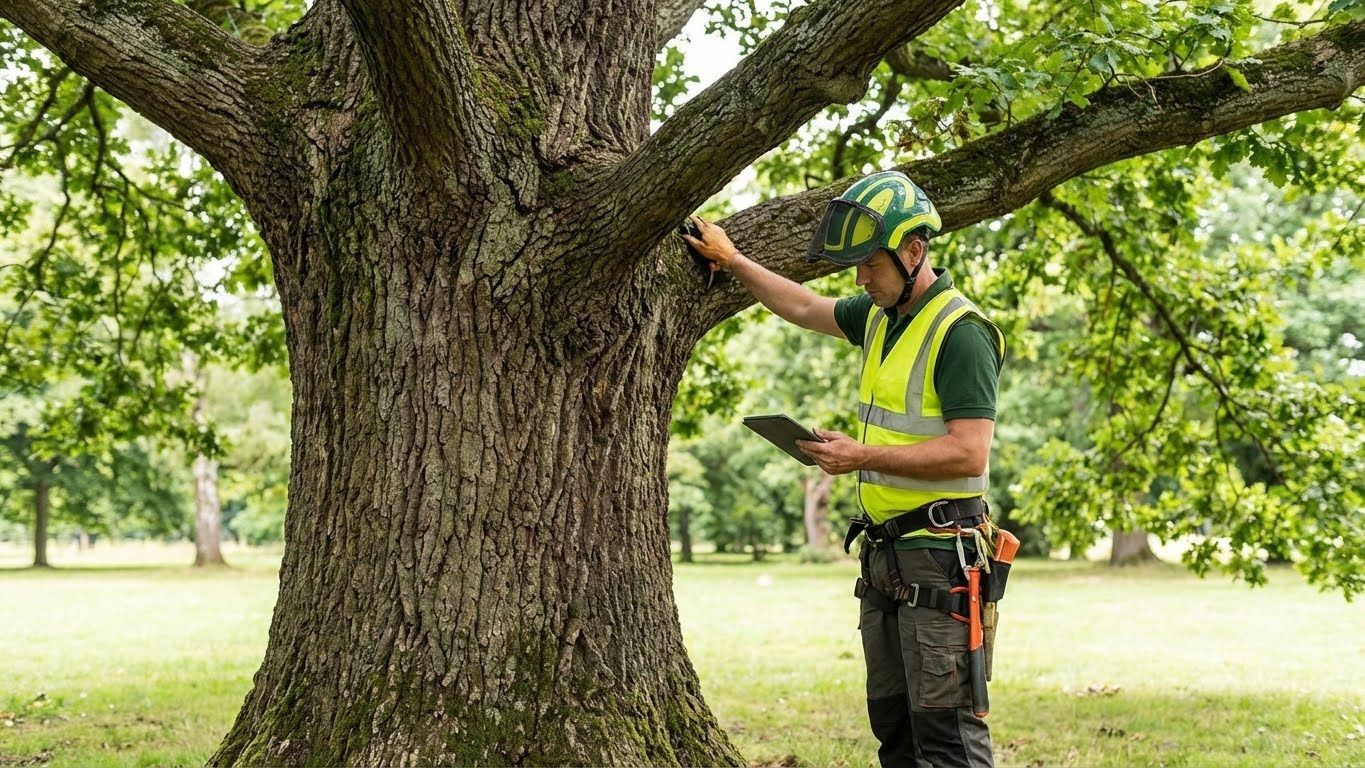
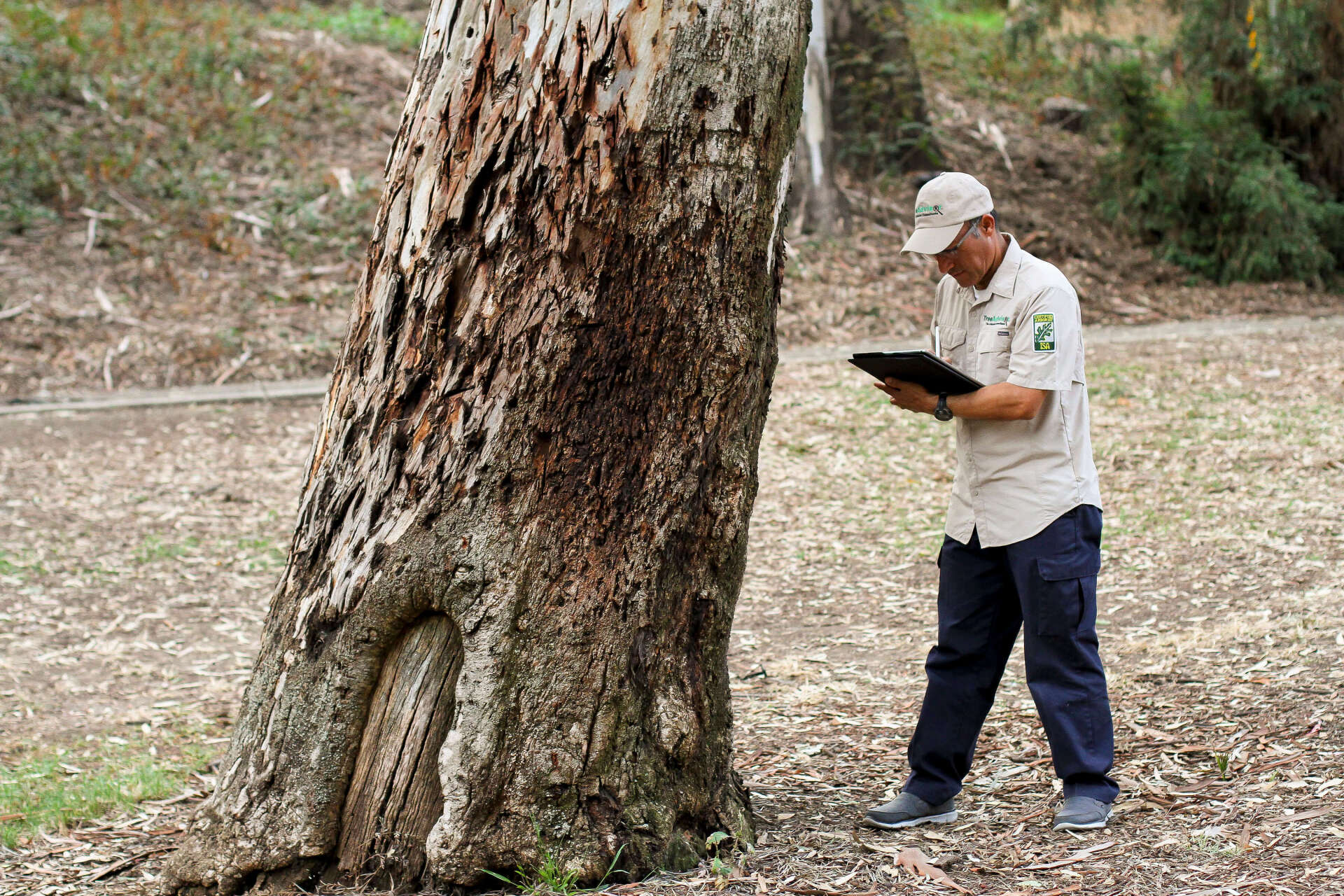
Learn what a tree risk assessment is, when you need one, and how ISA TRAQ arborists evaluate hazard trees for permits, safety, and property protection in Seattle.
By eric B January 27, 2026
Everything Issaquah homeowners, HOAs, and contractors need to know about tree removal permits, significant tree regulations, Environmentally Critical Areas (ECAs), Tree Protection Zones (TPZs), and replanting requirements (2026)

Need Expert Tree Services?


Sound Tree Care delivers safe, code-compliant service backed by ISA-Certified Arborists. Whether you need emergency cleanup after a windstorm, help navigating  tree permits, or routine pruning to protect your home, we’re here to provide fast, professional support.


✅ Free, No-Obligation Estimates

🪵 Full Cleanup & Debris Removal

🏗️ Permit Guidance for Seattle, Tacoma & Local Cities

⚠️ Safe Work Procedures for Removals, Rigging & Aerial Operations


🧰 ISA Certified Arborists, TRAQ-Qualified

⭐ 5-Star Rated on Google, Yelp & Facebook

🛡️ Licensed, Insured & Code-Compliant

🥇 Experience the Sound Difference: Trusted. Local. Professional.


 📞 Call us now at 206-486-7790– Click to call!
📝 Request an Online Quote:
Client Hub

📍 Serving Seattle, Bellevue, Kent, Renton and more!