Public Safety & Visibility
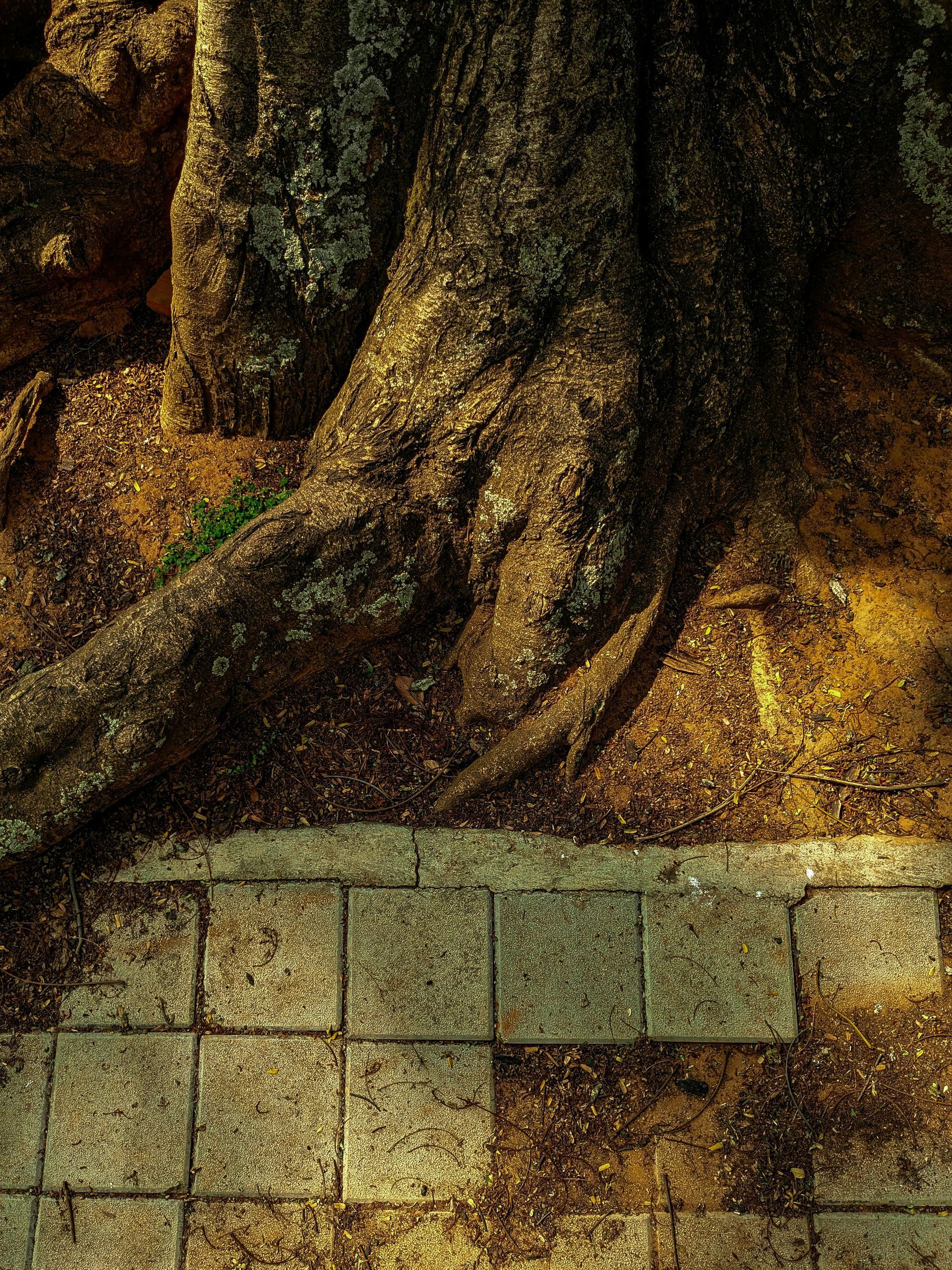
Trees can block sightlines, interfere with crosswalks, and drop limbs onto sidewalks. Cities set standards to reduce hazards for pedestrians, cyclists, and drivers.

ISA Certified Arborists | Licensed • Bonded • Insured
What Homeowners Need to Know When You “Own” the Tree—but Not the Rules
Many homeowners are shocked to learn that some trees on their property are not fully under their control. Street trees, planting-strip trees, and trees governed by HOAs are often owned by the homeowner but regulated by another authority—a city, county, or homeowners association.
That contradiction is where most conflicts begin.
This page explains:
If you’ve ever thought, “How can they tell me what to do with my own tree?”—you’re not alone.
Why these situations are so frustrating Write a description for this list item and include information that will interest site visitors. For example, you may want to describe a team member's experience, what makes a product special, or a unique service that you offer.
Item LinkWhen permits are required Write a description for this list item and include information that will interest site visitors. For example, you may want to describe a team member's experience, what makes a product special, or a unique service that you offer.
Item LinkHow an arborist helps Write a description for this list item and include information that will interest site visitors. For example, you may want to describe a team member's experience, what makes a product special, or a unique service that you offer.
Item LinkA street tree is typically a tree located in (or influenced by) the public right-of-way. The homeowner may pay for care, but the city sets the rules.
In regulated tree situations, ownership and control are separate concepts.
Cities and HOAs derive authority from municipal code, easements, covenants, and bylaws—not from who planted the tree or whose yard it’s in.
This is why these situations feel so frustrating:
You carry the cost, but not the decision-making power.
Street trees often sit in (or interact with) the public right-of-way. Cities regulate them to protect people, infrastructure, and long-term canopy goals—sometimes regardless of who pays for the work.
Trees can block sightlines, interfere with crosswalks, and drop limbs onto sidewalks. Cities set standards to reduce hazards for pedestrians, cyclists, and drivers.
Street trees share space with power lines, streetlights, signage, sidewalks, and pavement. Rules help prevent conflicts, damage, and expensive repairs.
Urban canopy is treated like a long-term public asset. Many cities regulate pruning and removals to maintain canopy coverage, support stormwater goals, and guide species selection.
Responsibility for street trees is one of the most confusing parts of urban tree ownership. In most cases, homeowners pay— but there are important exceptions.
In many cities, the adjacent homeowner is financially responsible for pruning, maintenance, and damage caused by a street tree—even when the tree is located in the public right-of-way and regulated by the city.
This responsibility often applies regardless of who planted the tree or how long it has been there.
If a street tree presents an immediate risk to public safety—such as the potential to fall into traffic, onto pedestrians, or across utilities—the city may intervene directly.
In these cases, municipalities sometimes remove or prune the tree without waiting for homeowner action, especially when delays could result in injury or infrastructure damage.
Homeowners associations don’t operate like cities—but when it comes to trees, the rules can feel just as strict (or stricter). In many communities, trees are privately owned but regulated through covenants, conditions, and bylaws.
In these cases, ownership does not equal control.
Trees may be healthy and structurally sound—yet still required to be reduced or removed.
These rules are enforceable—even when the tree is on private property.
Conflicts involving street trees and HOA-controlled trees often trigger frustration quickly—not because homeowners are unreasonable, but because multiple pressure points hit at once.
Most homeowners aren’t opposed to tree care—they’re frustrated by unclear authority and forced compliance Clear, accurate information reduces stress. Poor or incomplete information makes it worse.
In regulated situations, permits may be required for:
A qualified arborist doesn’t just cut trees—they navigate systems.
In street tree and HOA cases, an arborist can:
In many cases, proper documentation can:
Some regulations allow professional discretion. Others do not.
What matters:
If you’re unsure about a street tree or HOA-controlled tree:
If you’re dealing with a regulated tree, these resources explain the rules, documentation, and next steps in more detail.
Street trees and HOA-controlled trees aren’t just landscaping issues—they’re
regulatory environments. Understanding the rules before acting protects your trees, your property, and your wallet.
Street trees and other regulated trees come with rules that limit what homeowners can do—even when the tree is on your property and you’re paying for the work. Acting without clear guidance can lead to fines, delays, or permanent mistakes.
Sound Tree Care LLC helps homeowners navigate street tree regulations, right-of-way rules, and HOA-controlled tree requirements with clear, code-compliant guidance.
📞
Call 206-486-7790 to speak with an arborist experienced in regulated trees
📝
Request an consultation online through our Client Hub
Sound Tree Care LLC Operations
(Not Open to Public)
3057 S 146th St SeaTac, WA 98168
Office Hours
Mon–Fri: 8:00 AM – 4:00 PM
24/7 Emergency Tree Service
📞
(206) 486-7790
✉️info@soundtreecarellc.com
Licensed • Insured • SOUNDTL769C807NG
Registered Tree Service SDCI: TSP-18505
ISA-Certified Arborists providing tree removal, pruning, stump grinding, and permit-ready arborist reports across Greater Seattle.
Fast estimates • City-compliant work • Clean job sites