Seattle Tree Removal Permits & Tree Code (2026 Guide)

March 21, 2022
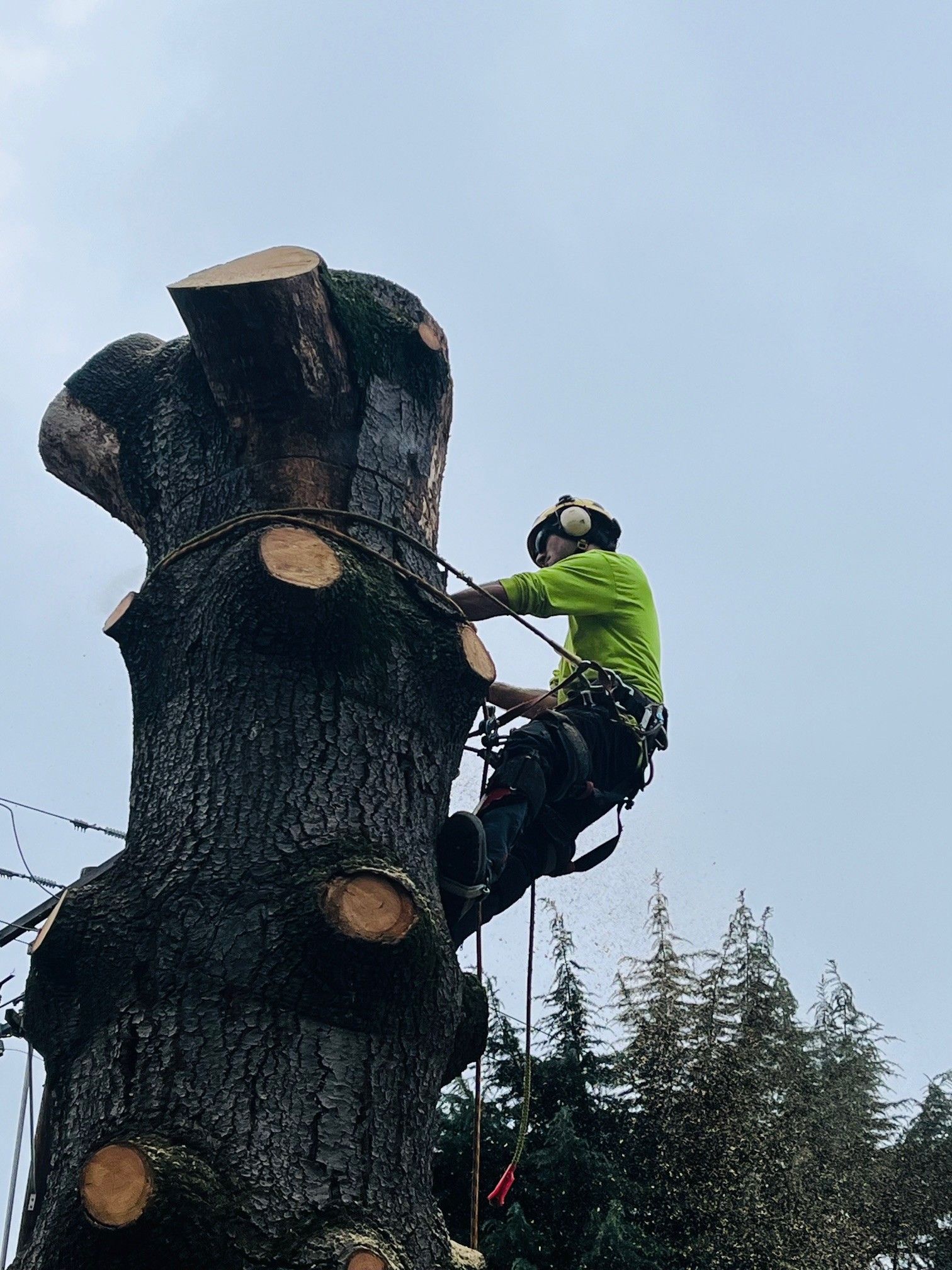
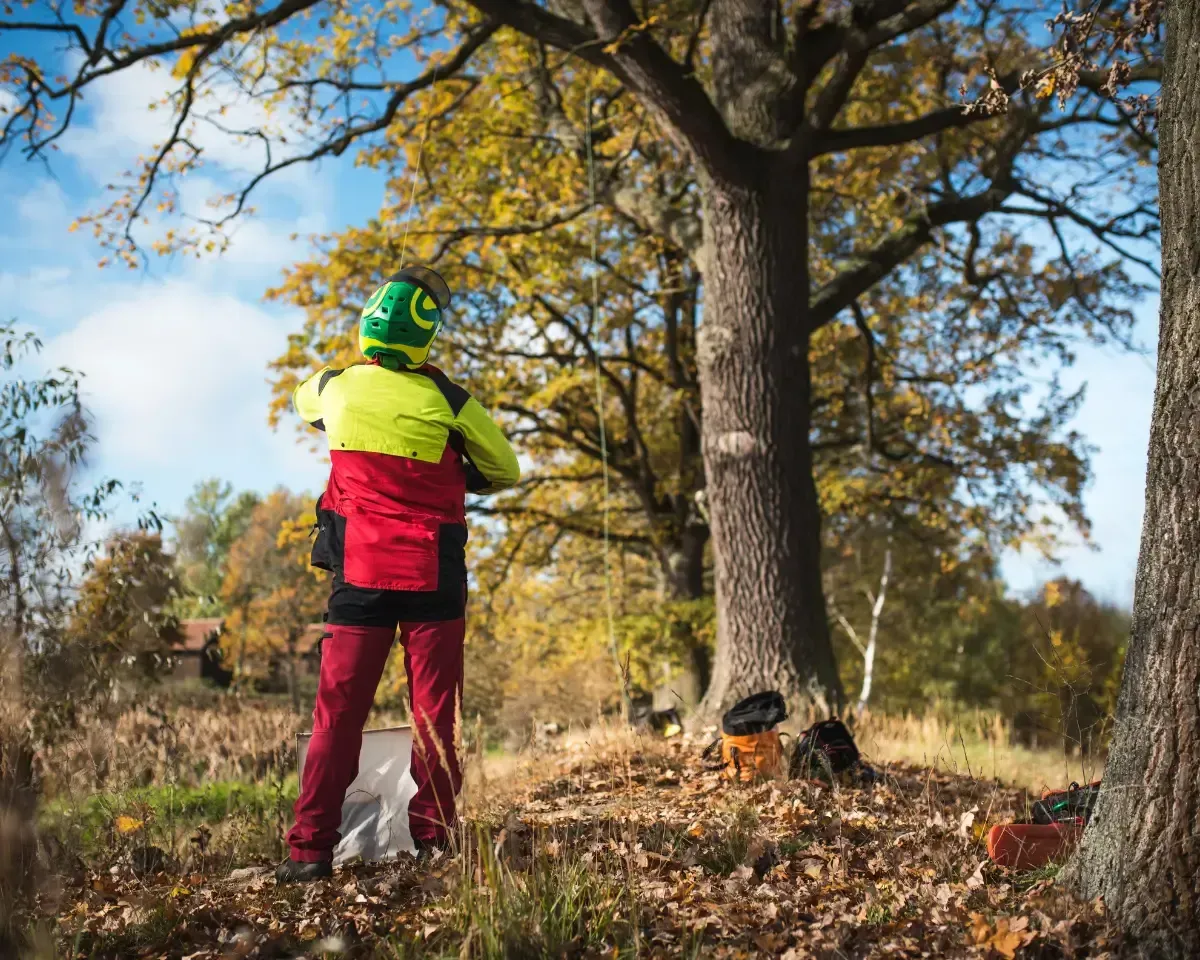
arborist in red hard hat with face shield smiling outside near trees.

Written By: Eric Ledford


ISA Certified Arborist – PN-9290A 

ISA Qualified Tree Risk Assessor (TRAQ)


Updated: April 20, 2026

If you're planning tree removal in the City of Seattle, understanding the current tree code, permit requirements, and arborist documentation rules is essential before starting any work.

2026 Update: Seattle Tree Removal Permit Rules

Seattle’s tree removal rules continue to evolve, and in 2026, the city has placed even greater emphasis on tree preservation, permitting, and professional oversight. Homeowners can no longer assume that trees can be removed freely—even on private property.

If you’re planning tree removal in Seattle, understanding the current rules is critical to avoiding delays, fines, or denied permits.

Tree Removal Is More Regulated Than Ever

Recent updates have tightened removal allowances across many property types.

  • Larger trees are often restricted unless tied to development or specific criteria
  • Annual removal limits may apply depending on zoning and property type
  • Some trees cannot be removed without clear justification or replacement requirements

👉 This is one of the biggest shifts in Seattle’s tree code—and a common source of confusion for homeowners.

Tree Size, Tier & Classification Matter

Seattle regulates trees based on size, species, and significance.

  • Trees are categorized into Tier 1–Tier 4 classifications
  • Larger and native trees receive higher levels of protection
  • Diameter at standard height (DBH/DSH) plays a key role in determining permit requirements

👉 A tree that seems “normal” may still be regulated depending on its size and classification.

Environmentally Critical Areas (ECAs) Add Complexity

If your property is located in or near an ECA, additional rules apply.

  • Includes steep slopes, wetlands, riparian zones, and shorelines
  • Requires additional review, protection measures, and mitigation planning
  • Often increases both permitting requirements and project cost

👉 ECA sites are one of the biggest drivers of complexity in Seattle tree removal.

Arborist Reports Are Often Required

Many permits now require professional documentation before approval.

  • Arborist reports to justify removal
  • Tree risk assessments for hazard claims
  • Site plans showing tree locations and impacts
  • Compliance documentation for city review

👉 In many cases, you can’t even apply for a permit without an arborist.

Registered Tree Service Provider (RTSP) Requirement

Seattle now requires that regulated tree work be performed by or under a Registered Tree Service Provider (RTSP).

  • Ensures compliance with ANSI A300 and ISA standards
  • Verifies proper licensing, insurance, and training
  • Holds contractors accountable for permitted work

👉 Hiring a qualified, registered company is no longer optional—it’s part of compliance.

Bottom Line for Homeowners

Seattle’s 2026 tree code means:

  • More trees require permits than in the past
  • More projects require arborist involvement
  • More coordination is needed before work begins

👉 The earlier you understand the rules, the smoother—and often cheaper—your project will be.


How Much Does Tree Removal Cost in Seattle in 2026?

making an online payment for a tree removal service

Tree removal is an essential service for maintaining safe and healthy outdoor spaces, but the cost of tree removal in Seattle and surrounding areas can vary widely depending on several factors. If you're planning to remove a tree in 2025, this updated guide will walk you through what affects the cost, provide real-world examples, and explain why professional services are worth the investment.

What Affects the Cost of Tree Removal in Seattle (2026 Pricing Guide)

Tree removal costs in Seattle vary based on tree size, site access, safety risk, and regulatory requirements. Factors like proximity to structures or power lines, emergency timing, and whether a tree is protected under Seattle’s tree code can significantly affect pricing. Projects within Environmentally Critical Areas (ECAs) or involving regulated trees may also require permits, additional documentation, and higher labor costs.

1

Tree Size

Size is usually the biggest price driver—larger trees require more rigging, more crew time, and more disposal volume.

  • Small trees: typically quicker access + faster removal.
  • Medium trees: more sectioning and cleanup time.
  • Large trees: may require advanced rigging or specialty equipment.
2

Risk Level

Higher-risk removals require stricter safety procedures and slower, more controlled work—especially near targets.

  • Dead/diseased trees: unpredictable wood and failure patterns.
  • Near hazards: structures, utilities, fences, and high-value landscaping.
  • Emergency removals: storm damage often increases complexity and scheduling cost.
3

Location & Accessibility

Access affects how efficiently crews and equipment can work. Tight sites often require more hand work and smaller pieces.

  • Tight backyards: limited drop zones = more rigging and hauling.
  • Steep slopes / fragile landscapes: slower production and extra protection.
  • Street/urban constraints: parking, staging, and traffic considerations.
4

Additional Services

Add-ons can change the scope significantly. A “removal” can mean just lowering the tree—or full site restoration.

  • Stump grinding/removal: varies by diameter, root flare, and access.
  • Haul-away: logs/chips removed vs. left on-site.
  • Replanting: optional trees, soil improvements, or habitat-focused installs.
5

Permitting Requirements in Seattle

Some removals require permits and documentation. If permitting is needed, it can affect timeline, paperwork, and total cost.

  • Protected trees: “significant” trees or regulated categories.
  • Documentation: site plans, photos, and sometimes arborist support.
  • Review timelines: permit review can delay scheduling.
6

Environmentally Critical Areas (ECAs)

Work in steep slopes, wetlands, and riparian buffers often comes with extra rules, protection measures, and mitigation.

  • Stricter regulations: higher compliance requirements.
  • Extra protection: access planning + soil and root-zone protection.
  • Mitigation: replanting or restoration may be required.
Pro tip: If you’re comparing bids, make sure you’re comparing the same scope (haul-away vs. leave on-site, stump grinding included or not, permit support included or not).

Why Do Tree Removal Costs Vary Between Seattle Tree Services?

Tree removal costs in Seattle can vary significantly between companies—not just because of pricing, but because of differences in equipment, crew experience, safety standards, and job complexity. Understanding these differences helps you compare quotes accurately and avoid unexpected costs.

1

Climbing vs. Lifts (Skill & Access Matter)

Not all climbers—or lifts—are created equal. The method that’s safest and fastest depends on the tree, the targets, and the site.

  • Crew capability: experienced climbers can be efficient and controlled; inexperienced work can be slower and riskier.
  • Lift limitations: some units can’t fit through gates, reach hillside trees, or provide enough height/outreach.
  • Site constraints: slope, access, and staging space can determine whether climbing or a lift is the best approach.
Why it affects price: the right method reduces labor time and exposure to risk; the wrong method increases both.
2

Chipping, Recycling & Material Handling

Equipment capacity and disposal approach can change the scope dramatically—even if the “tree removal” sounds the same.

  • Chip capacity: small chippers and road-only setups require more dragging, cutting, and handling.
  • Backyard access: tracked equipment can move chips/wood efficiently where wheeled gear can’t.
  • Disposal scope: quotes may differ on haul-away, recycling, dumping fees, or leaving wood on-site.
Why it affects price: efficient processing reduces crew hours; inefficient material movement adds time and cost.
3

Specialized Equipment & Mechanical Advantage

Cranes and advanced tools can cost more to mobilize—but they can make large, complex removals safer and faster.

  • Mobilization costs: bringing a crane or specialty rigging can add upfront expense.
  • Big-tree efficiency: machines can move thousands of pounds in controlled picks—far beyond manual handling.
  • Commercial scale: large trees may require heavy haul, bigger landing zones, and higher-capacity equipment.
Why it affects price: higher equipment costs often mean fewer cuts, faster completion, and lower overall risk.
3

4. Insurance, Licensing & Risk Management

Not all tree removal companies operate at the same level of professionalism or accountability. Proper licensing, insurance coverage, and risk management practices are critical—especially for large or complex removals near homes, utilities, or public spaces.

  • Fully licensed and insured companies carry higher operating costs, but they protect you from liability and property damage
  • Compliance with Seattle tree code and safety standards requires planning, documentation, and trained personnel
  • Lower-cost providers may cut corners on insurance, safety protocols, or qualifications—introducing significant risk

Why it affects price: higher standards reduce risk, potential damage, and long-term liability, resulting in safer and more reliable project outcomes.

Big-tree efficiency: machines can move thousands of pounds in controlled picks—far beyond manual handling. Commercial scale: large trees may require heavy haul, bigger landing zones, and higher-capacity equipment.
Why it affects price: higher equipment costs often mean fewer cuts, faster completion, and lower overall risk.

Bottom Line

When comparing tree removal quotes, make sure you’re comparing methods, equipment, and scope—not just price. A lower quote may exclude debris removal, stump grinding, permit support, or rely on slower, riskier techniques that ultimately cost more in time, safety, or property impact.

If you want an apples-to-apples quote that reflects the safest and most efficient approach for your property, a certified arborist evaluation is the best starting point.


The Cost of Tree Removal in Seattle, WA: What You Need to Know 🌳️

Removing a tree in Seattle can be a necessary but costly task. Whether it's due to storm damage, disease, or landscape redesign, understanding the costs involved helps you make informed decisions. Here’s everything you need to know about tree removal costs in Seattle.

❓ People Also Ask: Tree Removal Costs in Seattle

❓ How much does it cost to remove a tree in Seattle?
On average,
tree removal in Seattle costs between $300 and $2,500. The final price depends on factors like the size of the tree, location, and whether special equipment is needed. Larger or more dangerous trees can cost more.

❓ How much should I expect to pay for tree removal?
Nationwide, tree removal can range from
$150 to $3,000. In Seattle, expect to pay closer to the higher end due to dense urban areas and environmental regulations.

❓ Will insurance pay for tree removal?
Homeowners insurance typically covers tree removal
if the tree falls due to a covered peril, like a storm, and causes damage to your home or structures. However, it won't cover removal if the tree falls without causing damage or if it's due to neglect.

❓ What is the cheapest time of year for tree removal?
The
cheapest time for tree removal is during the off-season in late winter or early spring, when demand for tree services is lower. Booking ahead during these times can help you save on costs.

Permits, Fees & Arborist Documentation Can Significantly Affect Tree Removal Costs

In Seattle, tree removal isn’t just a service—it’s a regulated process governed by evolving city tree code and permitting requirements. As of 2026, enforcement has increased, and more projects require documentation, review, or arborist involvement—especially for larger trees or properties within environmentally critical areas (ECAs). Permits aren’t just paperwork—they represent real project scope, coordination, and compliance work that can significantly impact total cost.

1

City Permit Fees & Review Requirements

With stricter enforcement, arborist involvement is often required before approval.

  • Review, intake, and processing fees charged by the city
  • Requirements vary by tree tier, zoning, and site conditions
  • Some permits require site plans, disclosures, or mitigation details
  • Review timelines can affect project scheduling and sequencing
  • 👉 In many cases, permitting—not cutting—is what determines your timeline.

2

Arborist Site Visits & Evaluations

With stricter enforcement, arborist involvement is often required before approval.

  • On-site measurement and species identification (DBH/DSH)
  • Tree condition, defect, and hazard evaluation
  • Assessment of nearby targets like homes, fences, and utilities
  • Determination of eligibility for hazard removal or permit approval
  • 👉 This step ensures the removal is justified, defensible, and code-compliant.

3

Reports & Documentation

  • Arborist reports, tree inventories, or risk assessments (when required)
  • Site plans, photo sets, and narrative justifications
  • Packaging documents to meet city submission requirements
4

Review Cycles & Coordination

Permitting often involves multiple steps and revisions.

  • Responding to city corrections or additional requests
  • Coordinating with homeowners, builders, or property managers
  • Adjusting plans to meet retention or replanting requirements
  • Scheduling delays while permits are under review

What this means for Tree Removal Pricing in Seattle

In 2026, permitting and compliance can be a major cost factor: City fees alone are often $300–$400+ Projects requiring arborist reports and full permit support can exceed $1,000+ in pre-work ECAs, protected trees, or complex sites increase both time and documentation requirements 👉 Not every tree requires a permit—but when it does, this is essential work that protects your project, timeline, and liability.

Tree Removal Costs in Seattle: Real Examples from Previous Projects


To help homeowners understand real tree removal costs in Seattle, we’ve included examples from actual projects completed by Sound Tree Care. These jobs reflect the wide range of factors that influence tree removal pricing, including tree height and species, proximity to homes or power lines, access limitations, rigging complexity, and required equipment. By reviewing real-world Seattle tree removal examples, you can see how scope, risk, and site conditions translate into final costs—whether it’s a straightforward removal or a large, hazardous tree requiring advanced rigging and certified arborist oversight.

Two Tree Removals in SeaTac – $4,800

What this example shows:

Removing multiple large trees near structures and utilities increases tree removal costs due to rigging complexity, access constraints, and safety planning.

This Seattle-area tree removal project included the removal of a 60-foot locust tree and an 86-foot Douglas fir in SeaTac, WA. The total cost was $4,800 and included full-service tree removal, professional rigging, limb and brush chipping, and log hauling.

Why these trees removal cost $4,800:
  • Large tree size (60’+ locust, 80’+ Douglas fir)
  • Close proximity to homes and fencing
  • Limited drop zone requiring controlled rigging
  • Debris hauling and full cleanup included
  • Skilled crew with climbing and safety setup

Douglas Fir Tree Removal in Normandy Park – $4,200

What this example shows:

Large, mature conifer removals near homes require expert rigging and controlled takedown, even when access is relatively straightforward.

In this Normandy Park, WA project, our crew removed a 120-foot Douglas fir with a 38-inch diameter at breast height (DBH). The total cost was $4,200 and included full-service tree removal, branch recycling, log removal, and professional stump grinding.

Because the tree was located close to a residence, the work required precise sectional takedown and experienced climbers to ensure safety and prevent property damage. This project reflects typical costs for removing large conifer trees in the Seattle metro area, where tree size, location, and service scope directly influence pricing.

Emergency Tree Removal in Seattle – $2,500

What this example shows:

Emergency tree removal involving utility conflicts and structures requires rapid response, specialized equipment, and strict safety controls.

In this Seattle emergency tree removal project, a 35-foot fallen tree had landed directly on a home’s power mast, creating an immediate electrical and structural hazard. The total cost was $2,500 and included emergency response, professional hazard assessment, and controlled rigging to safely remove the tree without causing further damage.

Because the tree was entangled with utility infrastructure, our ISA Certified Arborists used precision gear and sectional removal techniques to manage risk and maintain clearance from energized components. This project highlights how emergency timing, electrical hazards, and utility coordination can significantly affect tree removal costs in Seattle.

Cost of Fallen Tree Removal in 2026

Fallen trees are typically less hazardous to remove than standing trees, making them less expensive. However, costs can still vary based on size, location, and whether wood chipping or hauling is required. However, if the tree fell onto anything other than the ground the result can be very expensive.

Example:

A fallen tree removal in Seattle may range from $500 to $5000 for tree that fall to the ground. However, if a tree falls on a house it may cost $1000 to $25,000 or more, depending on the scope of the job.


Two Options to Lower the Costs of Tree Removal

1. Bundling Services

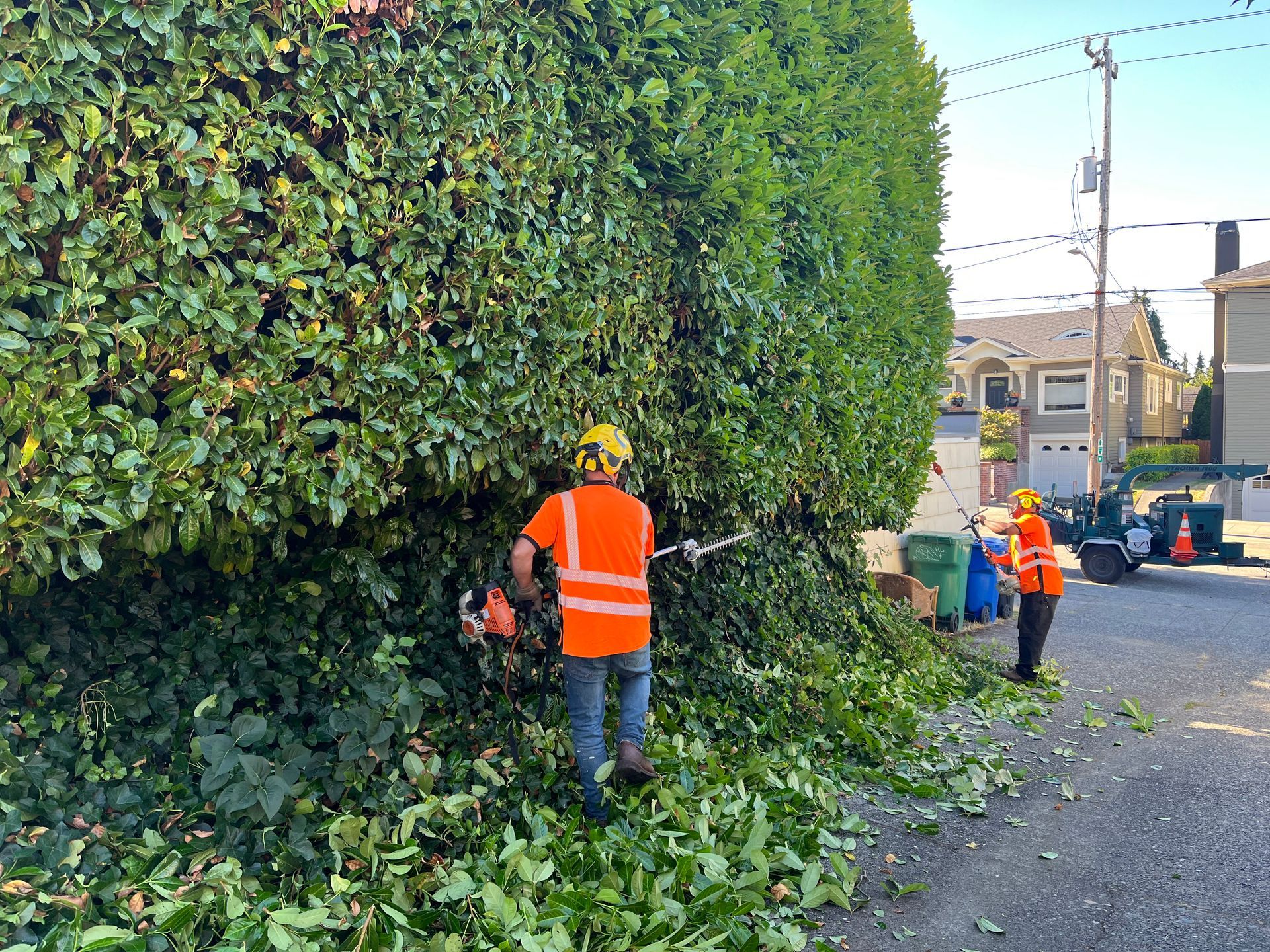
Removing multiple trees in one project can lower the per-tree cost due to bundled services.  It may also make sense to have us trim your hedges and prune your ornamental trees while we are already onsite for the tree removal.

2. Eco-Friendly Debris Disposal (and Why Logs Matter)

Tree debris doesn’t all behave the same. While branches can often be chipped efficiently on site, logs are heavy, dense, and time-consuming to move—especially from backyards, slopes, or tight urban lots.

Removing logs typically requires:

  • Mechanical assistance (skid steers, loaders, cranes) or
  • Significant manual labor, which increases crew time and safety exposure

Once logs are removed, disposal adds another layer of cost. Hauling logs often involves commercial dump runs, weight-based fees, and fuel costs that can add hundreds of dollars per load, depending on volume and distance.

In some cases, homeowners choose to:

  • Keep logs on site for firewood or habitat
  • Repurpose material as mulch or landscape features
  • Retain wood chips from tree removal to reduce haul-away costs
  • We can stage logs at the curb so homeowners can offer them for free firewood via signage or local Facebook groups—often reducing haul-away and disposal costs.

These choices can lower disposal fees and reduce labor—but when full log removal is required, it’s an important cost factor to account for in tree removal pricing.

💬Tree Removal Cost FAQs for Seattle Homeowners

Tree removal costs in Seattle can vary widely depending on tree size, site conditions, permitting requirements, and the level of risk involved. Below are answers to the most common questions homeowners ask when comparing tree removal estimates in Seattle and the surrounding area.

  • How much does tree removal cost in Seattle?

    Tree removal costs in Seattle typically range from $500 to $5,000+, depending on the tree’s height, diameter, condition, and proximity to structures or utilities. Small, low-risk trees may fall on the lower end, while large or hazardous removals—especially those requiring permits or specialized equipment—can cost significantly more.

    Learn about Tree Removal Costs
  • Why do tree removal quotes vary so much between companies?

    Not all tree removals are performed the same way. Price differences often come down to:


    • Crew experience and safety practices
    • Type and capacity of equipment used
    • Whether haul-away, stump grinding, or permitting is included
    • Site access, slope, and nearby targets

    A lower quote may reflect reduced scope, slower methods, or higher risk techniques.

  • Do I need a permit to remove a tree in Seattle?

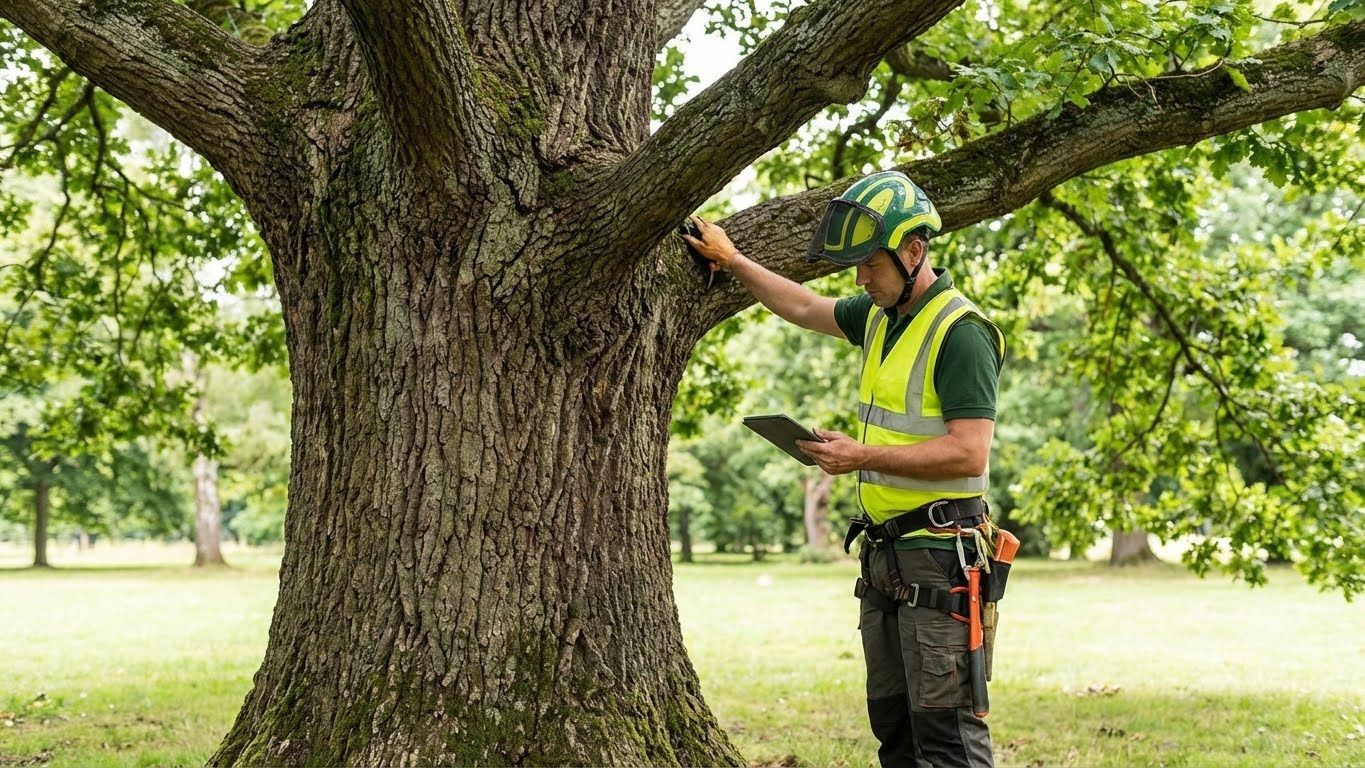
    Arborist inspects a tree

    In many cases, yes. Seattle commonly requires permits for removing trees over a certain size, trees in Environmentally Critical Areas (ECAs), or regulated “significant” trees. City permit and technology fees alone often total $300–$400, and additional arborist documentation may be required.

  • Why can permitting and arborist documentation add so much to the cost?

    Washington State silhouette graphic

    Permit applications often require:


    On-site arborist inspections


    Tree measurements and species identification


    Photos, site plans, and written reports


    Risk assessments or justification narratives


    Between site visits, travel time, documentation, and coordination with the city, permitting-related work can add several hours of professional labor, sometimes pushing total permitting costs to $1,000 or more on complex projects.

  • Does emergency tree removal cost more?

    Yes. Emergency tree removal typically costs more due to:


    Urgent scheduling or after-hours response


    • Increased risk and hazard mitigation
    • Utility coordination (power, communications, structures)
    • Emergency situations require faster mobilization and higher safety controls, which affects pricing.

    ➡️ Call us anytime — emergency line always open.

    👉 Learn more about emergency tree services »

  • Is stump grinding included in tree removal pricing?

    Not always. Tree removal and stump grinding are often priced separately. Some estimates include stump grinding, while others exclude it to keep the initial quote lower. Always confirm whether stump grinding is included when comparing bids.

  • Can I reduce costs by keeping the wood or debris on site?

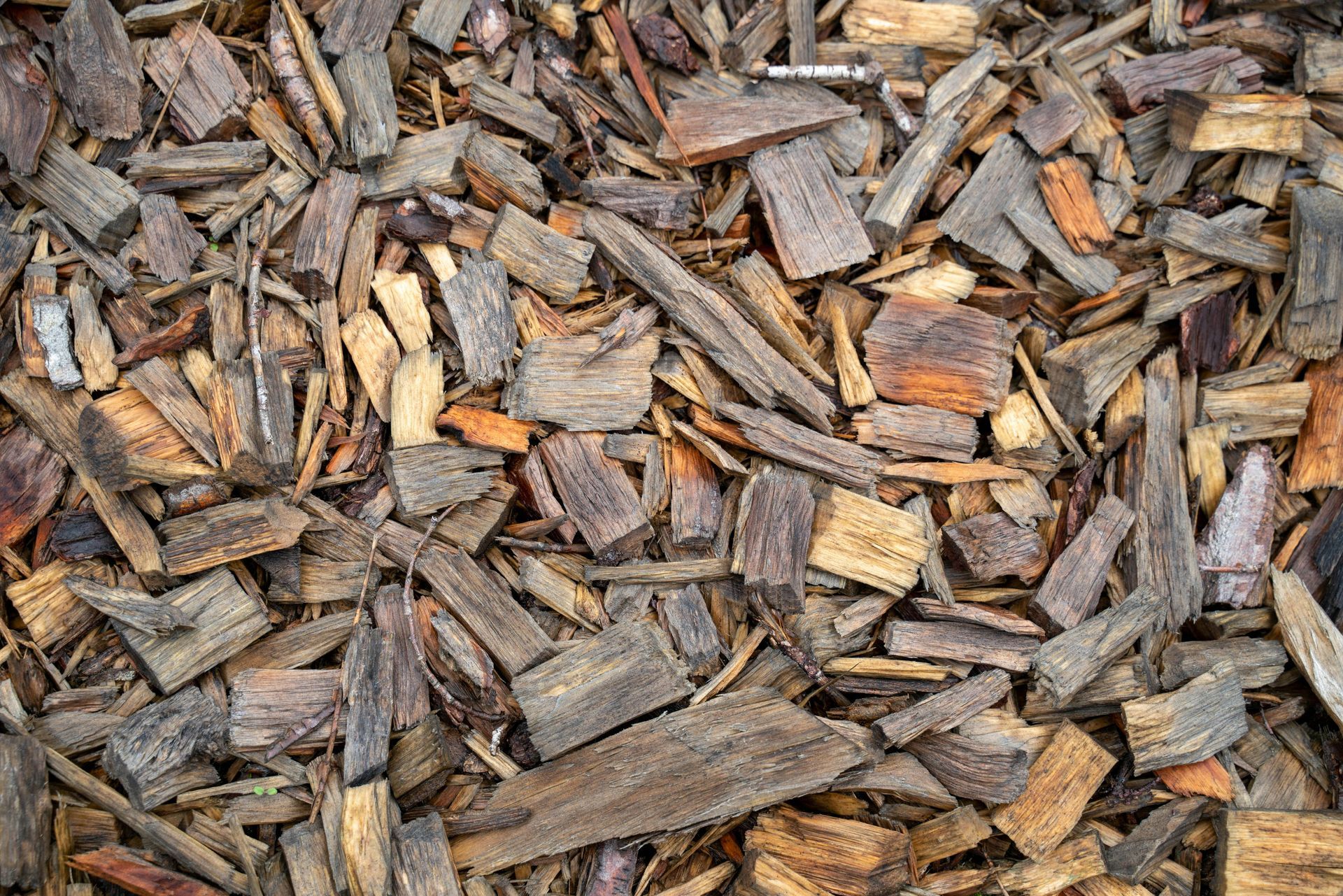
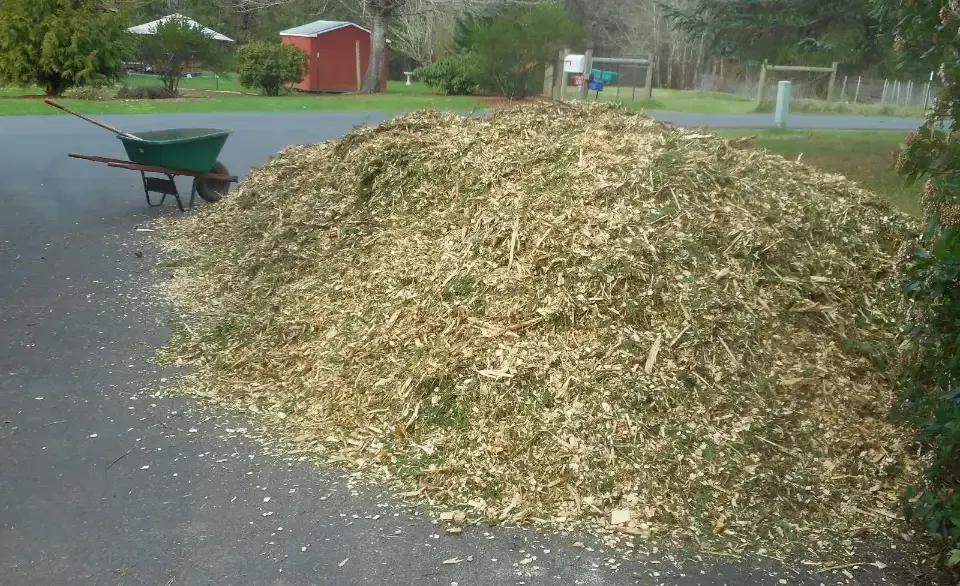
    Arborist Wood Chips

    Sometimes. Options that may reduce disposal costs include:


    Leaving logs on site for firewood or habitat use


    Moving wood to the curb for free pickup by others


    Keeping wood chips on site for mulch


    Log hauling can be one of the most expensive parts of tree removal due to equipment, labor, and disposal fees—so alternative disposal options can meaningfully affect the final price.

    Get Free Wood Chips
  • What is the average cost to remove a large tree in Seattle?

    Large tree removal in Seattle typically ranges from $2,000 to $8,000+, depending on height, diameter, proximity to structures, and whether specialized rigging or cranes are required.

Related Tree Service Costs in Seattle

While tree removal is often the largest cost in a tree care project, many homeowners want to understand how related services factor into the total price. The resources below explain how stump grinding and tree trimming costs are calculated in Seattle, including variables like tree size, access, hazards, and permitting. Reviewing these can help you budget more accurately and avoid surprise costs after removal.

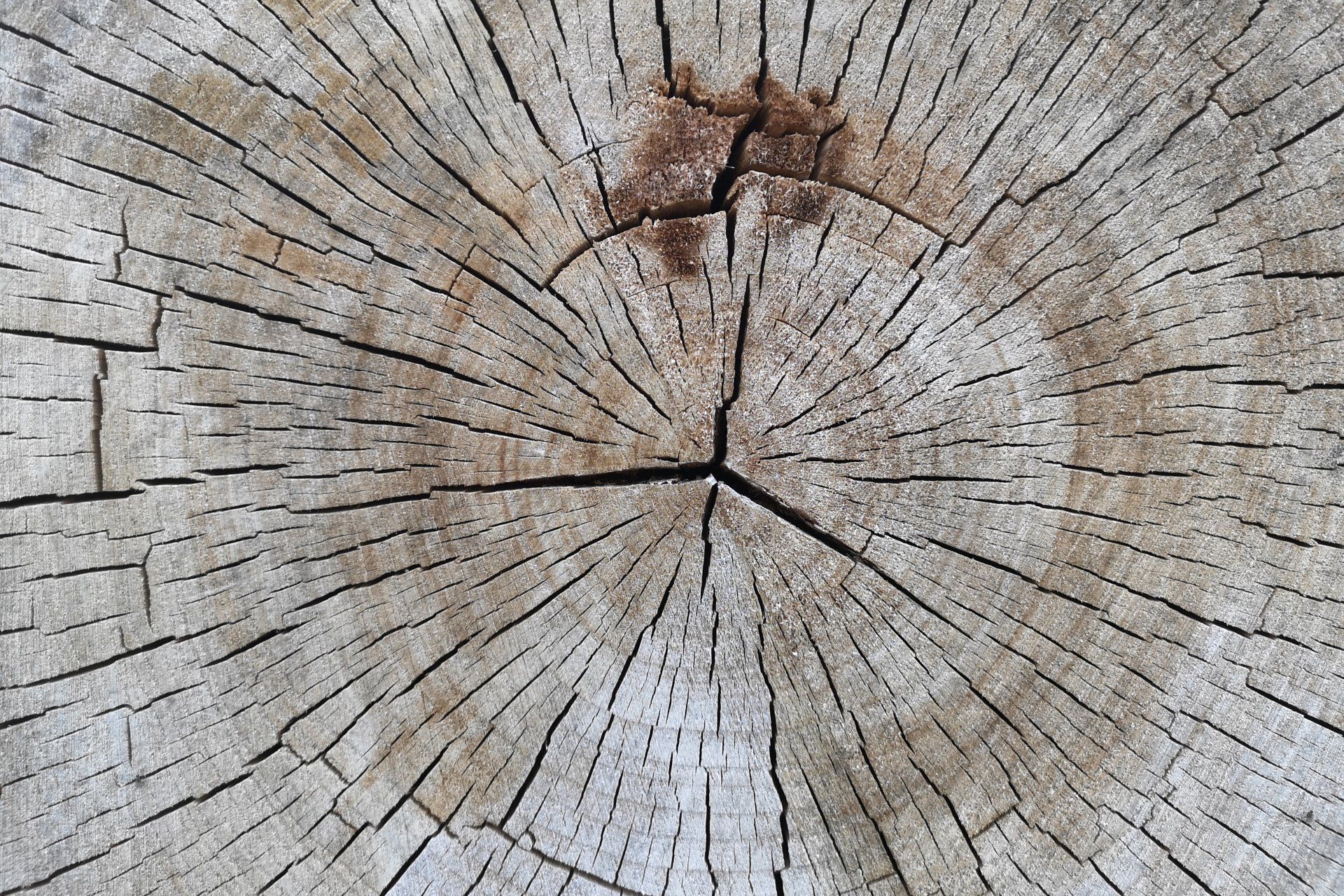
Tree stump cross section showing growth rings after tree removal
By Eric Ledford December 17, 2023
Stump grinding price chart and stump removal costs explained. See average stump grinding prices, cost per inch, and what affects stump removal pricing.
Worker in a lift platform trimming tree branches near a building with a tiled Seattle roof.
By eric B March 21, 2022
What does tree trimming cost in Seattle in 2026? See average prices, hourly rates, and cost factors—reviewed by an ISA Certified Arborist. Free estimates available.

Why Choose Sound Tree Care for Tree Removal in 2026?

Sound Tree Care is a top-rated, licensed tree care company serving Seattle and surrounding communities. With certified arborists on staff, we provide safe, efficient, and eco-conscious tree removal services tailored to your needs.

Our Services Include:

We work under the advisement of certified arborists to ensure every tree removal is done safely and responsibly.

🌲 Ready for Safe, Expert Tree Removal? Let’s Take Care of It.

We Handle Tree Removal the Right Way.

Whether you’re dealing with a hazardous tree, tight-access removal, storm damage, or a backyard project, our ISA Certified Arborists provide safe, code-compliant, and efficient removals across Seattle and the Puget Sound region.


✅ Free, No-Obligation Estimates

🏗️ Permit Guidance for Seattle, Bellevue & Local Cities

🧰 ISA Certified Arborists, TRAQ-Qualified


📞 Call Now: 206-486-7790
📝
Request Your Free Tree Removal Quote Online ➝

Sound Tree Care is a top-rated, licensed tree care company with a certified arborist on staff serving Seattle, and the surrounding communities. Registered with the City of Seattle DOT and DCCI as a Tree Service Provider. Our tree care specialists can help you keep your trees healthy and strong with regular tree pruning, preventative maintenance, removal, and disease treatment services.