What Is an Arborist Report?
An arborist report is a formal written document prepared by a qualified arborist that evaluates the condition, health, structure, location, and surrounding site conditions of one or more trees. Arborist reports are commonly used for tree removal permits, development applications, construction planning, insurance claims, risk documentation, and municipal tree code compliance.
A professional arborist report typically includes tree species identification, trunk diameter measurements, canopy condition observations, photographs, site factors, and recommendations based on accepted arboricultural practices. Depending on the purpose of the report, it may also document structural defects, root impacts, soil conditions, construction conflicts, target areas, or preservation recommendations.
Cities and permitting departments often require arborist reports when property owners wish to remove protected trees, develop land near significant trees, or perform construction activities within regulated root protection areas. Arborist reports may also be requested by contractors, architects, HOAs, attorneys, insurance companies, and property owners seeking professional tree documentation.
Unlike a simple estimate or visual opinion, a certified arborist report is intended to provide organized, defensible documentation that can be reviewed by municipalities, project teams, or other third parties involved in a project or permit process.
Common uses for arborist reports include:
• Tree removal permit applications
• Development and construction planning
• Protected tree evaluations
• Tree preservation planning
• Insurance documentation and storm damage claims
• Neighbor tree disputes and property conflicts
• Root impact and excavation assessments
• Hazard tree documentation and condition assessments
• Municipal code compliance and permitting support
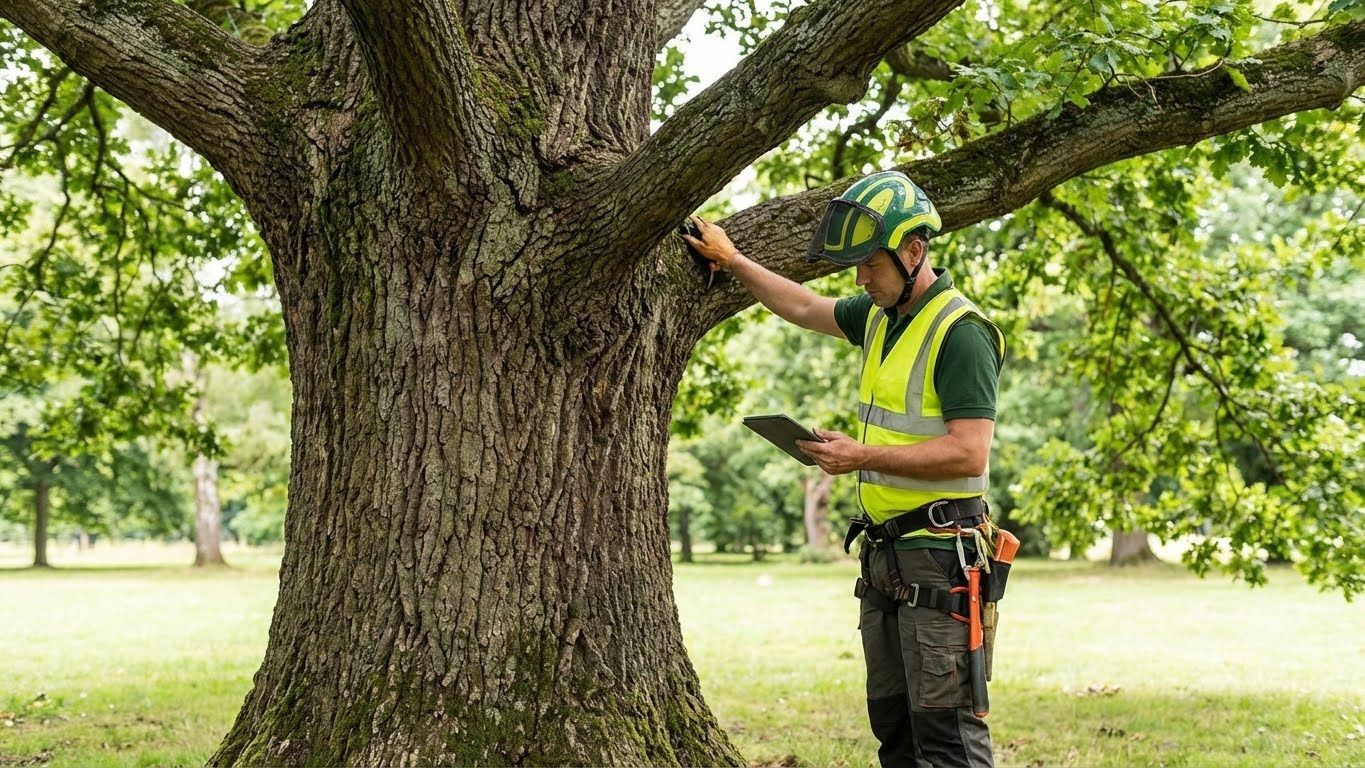
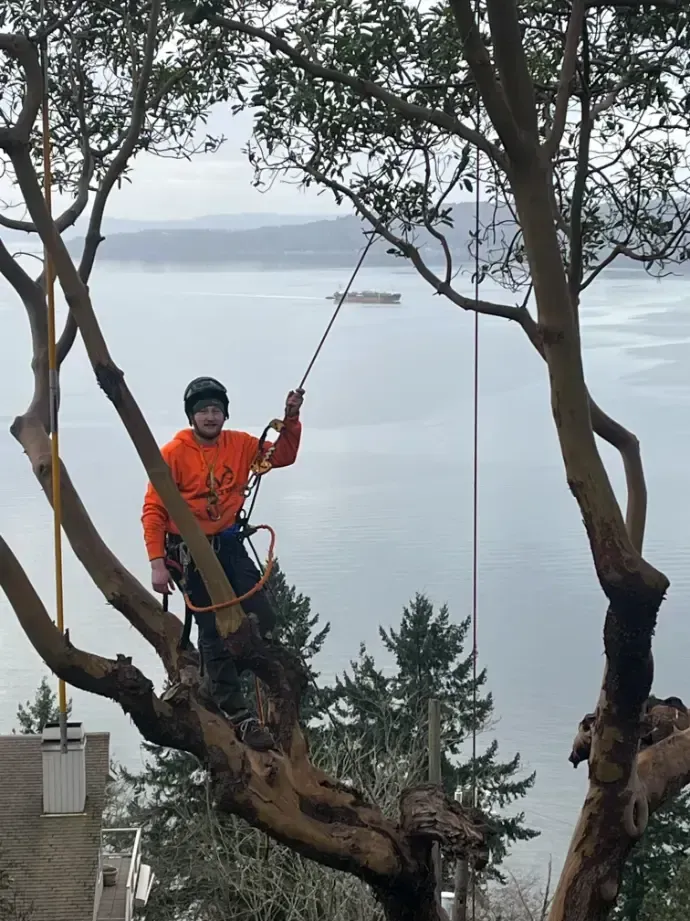
At Sound Tree Care, our arborist reports are prepared by ISA Certified Arborists with experience in tree risk assessment, municipal permitting processes, construction impacts, and tree preservation throughout the Seattle area.
When Are Arborist Reports Required?
Arborist reports are commonly required when trees may be affected by development, construction, grading, excavation, or proposed removal activities. Municipalities, contractors, insurance companies, and property owners often request professional arborist documentation before projects move forward.
Tree Removal Permits
Many cities require
arborist reports for tree removal permits before approving the removal of protected, significant, or exceptional trees.
Development Applications
Arborist documentation is often requested during land development, subdivision, and site-planning review processes.
Construction Near Trees
Reports may be required when grading, trenching, excavation, or construction activities occur near retained trees.
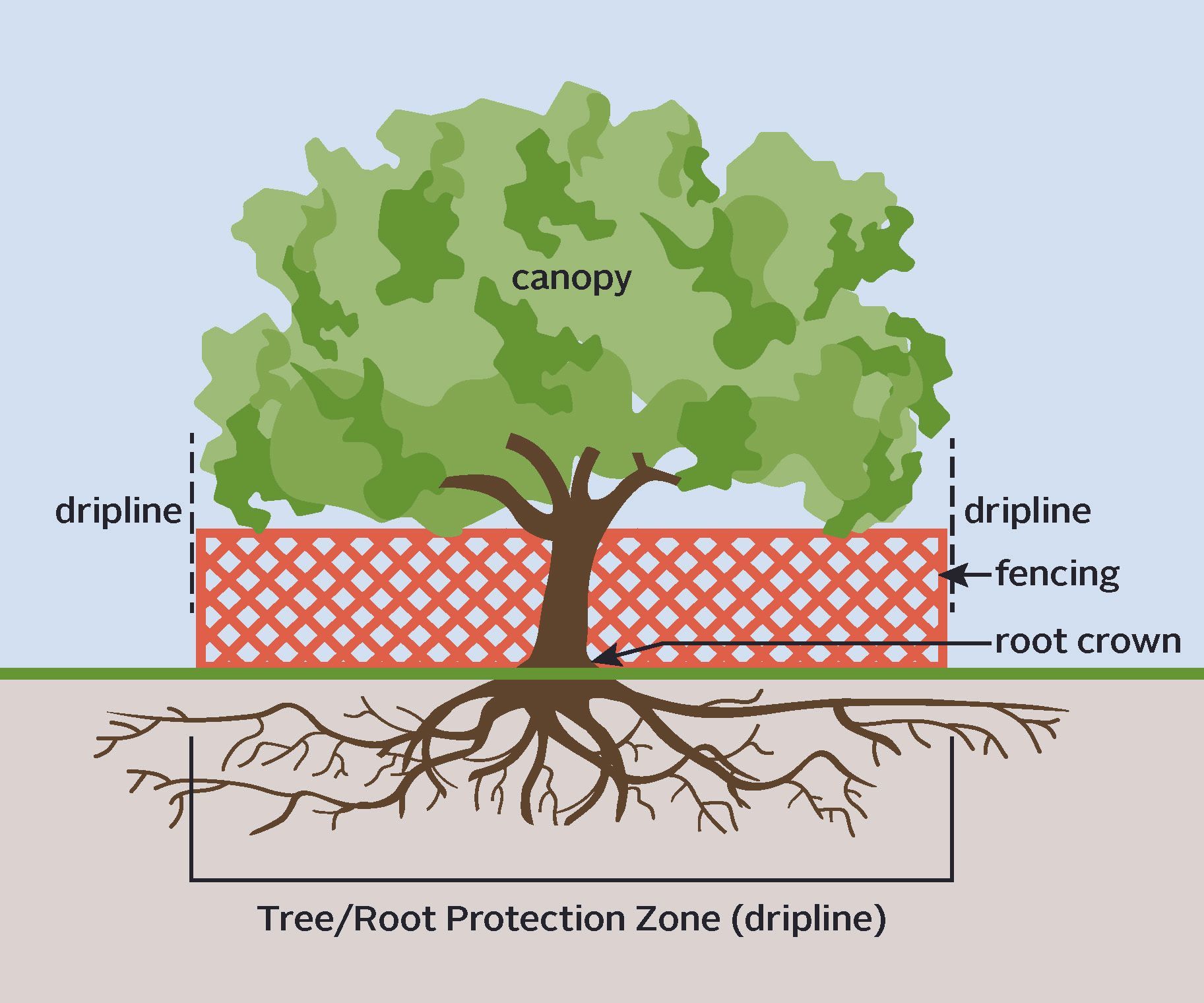
Tree protection planning services can help document root zones, construction impacts, and preservation requirements.
Environmentally Critical Areas
Properties within steep slopes, shorelines, wetlands, or
Environmentally Critical Areas frequently require detailed documentation and
arboricultural consulting.
Insurance and Storm Damage
Arborist reports help document tree failures, storm impacts, structural damage, and liability-related concerns. A
tree risk assessment may also be recommended when hazardous conditions are present.
Neighbor and Property Disputes
Professional tree documentation may be used to evaluate disputed tree conditions, property impacts, boundary concerns, or management recommendations.
What Is Included in an Arborist Report?
Arborist reports are designed to provide organized, defensible documentation regarding tree conditions, site factors, and management recommendations. While every project is different, most certified arborist reports contain several core components used by municipalities, contractors, insurance companies, and property owners.
☑
Tree species identification
☑
Diameter measurements (DSH/DBH)
☑
Tree condition and vigor observations
☑
Structural defect documentation
☑
Pest, disease, and decay observations
☑
Site conditions and soil factors
☑
Construction and excavation impacts
☑
Root disturbance evaluations
☑
Tree inventory tables and measurements
☑
Municipal code and permit references
☑
Photo documentation and site imagery
☑
Preservation, mitigation, or removal recommendations
Types of Arborist Reports
Arborist reports can serve many different purposes depending on the project, property conditions, and municipal requirements. Some reports focus on tree preservation and construction impacts, while others support permit applications, insurance documentation, or tree removal requests.
Tree Removal Reports
Prepared to document the condition of trees proposed for removal and support permit applications where municipalities require professional arborist documentation.
Construction Impact Reports
Used to evaluate how grading, excavation, trenching, and development activities may affect nearby trees, root systems, and preservation areas.
Tree Preservation Reports
Prepared to identify trees that should be retained and protected during development, site work, or major landscape changes.
Tree Inventory Reports
Used to document tree species, size, condition, and locations across residential, commercial, or development properties.
Insurance & Damage Reports
Prepared to document storm damage, fallen trees, structural impacts, or tree-related property concerns for insurance purposes.
Municipal Compliance Reports
Created to support permitting requirements involving protected trees, environmentally critical areas (ECAs), and local tree code compliance.
Arborist Reports for Tree Removal Permits
Many cities require an arborist report before approving the removal of protected, significant, or exceptional trees. These reports help municipalities evaluate whether a tree should be preserved, mitigated, pruned, or approved for removal based on its condition, location, and surrounding site factors.
An arborist report for
tree removal permits may include:
• Tree species and size documentation
• Structural condition and defect observations
• Health and vigor assessments
• Site limitations and construction conflicts
• Photographs and supporting documentation
• Target evaluations and surrounding occupancy
• Root impacts, lean, decay, or failure indicators
• Preservation feasibility considerations
• Mitigation or replacement recommendations
• Municipal code references where applicable
Cities may use arborist reports to determine whether proposed removals meet local code requirements or whether alternatives to removal should be considered.
At Sound Tree Care, we regularly prepare arborist reports for tree removal permit applications involving protected trees, development sites, construction conflicts, steep slopes, environmentally critical areas (ECAs), and hazardous tree conditions throughout the Seattle area.
What You Receive in a Professional Arborist Report
The contents of an arborist report depend on the purpose of the project, but the report should give the reviewing city, contractor, insurer, or property owner enough information to understand the tree conditions and make a defensible decision.
Depending on the project, a professional arborist report may include:
Site and Tree Documentation
Tree species, trunk diameter, location, condition, photographs, and relevant site constraints.
Risk or Impact Findings
Observed defects, decay, root disturbance, construction conflicts, target areas, and other conditions that may affect safety or preservation.
Permit and Code Information
Applicable municipal requirements, protected-tree considerations, permit references, and documentation requested by the reviewing jurisdiction.
Arborist Recommendations
Clear recommendations for preservation, mitigation, pruning, monitoring, replacement, or removal based on the arborist’s findings.
Supporting Exhibits
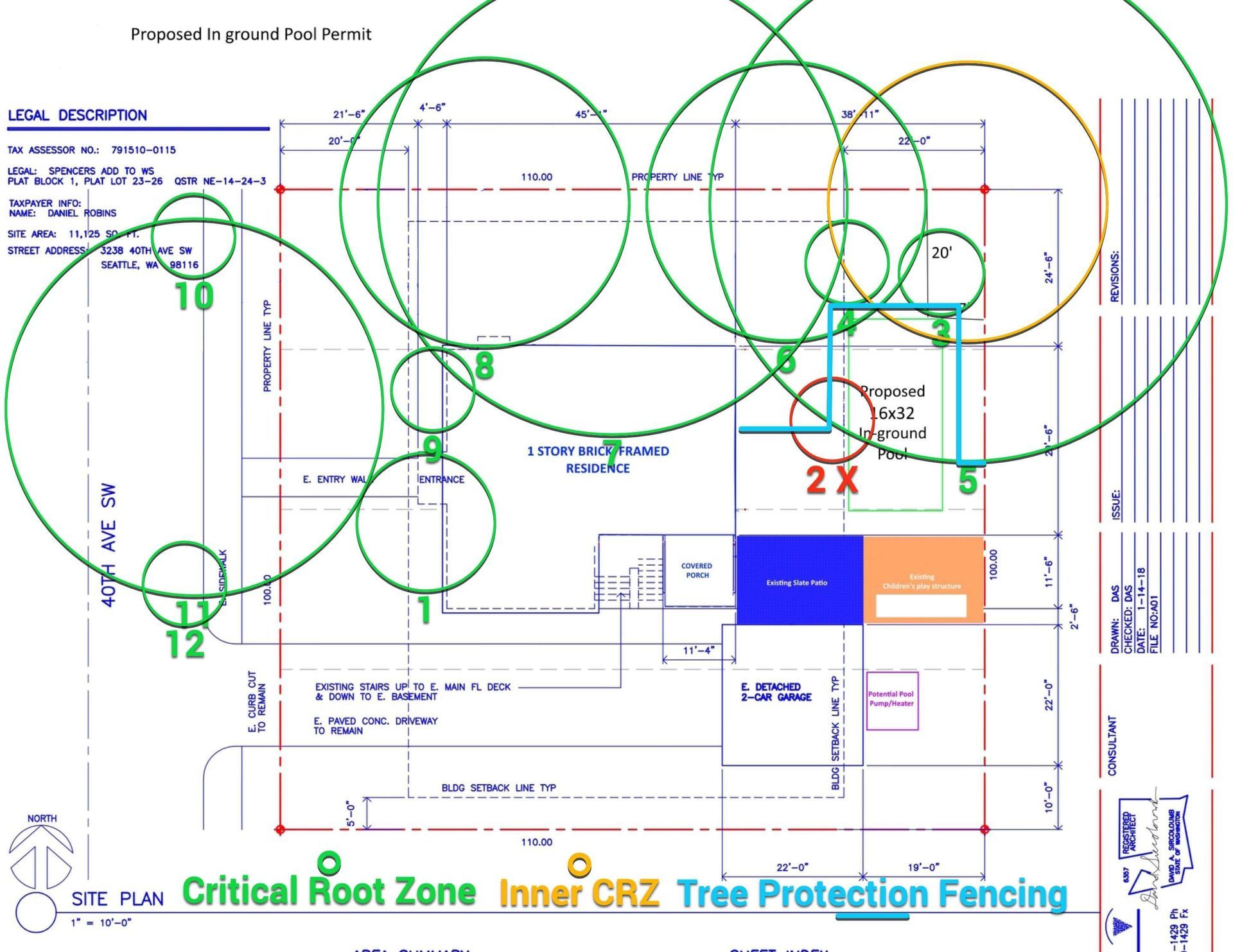
Depending on the project, the report may also include tree inventories, site maps, root-protection zones, construction notes, mitigation measures, and photo documentation.
A useful arborist report should not simply describe the tree. It should explain the issue, document the evidence, and provide recommendations that property owners, contractors, and municipal reviewers can act on.
Why Hire an ISA Certified Arborist for Reports?
How Much Does an Arborist Report Cost?
One of the most common questions homeowners, contractors, attorneys, and property managers ask is: “How much does an arborist report cost?”
The cost of an arborist report depends on the purpose of the report, the number of trees involved, site complexity, municipal requirements, and the level of technical analysis required. A simple arborist report for a single tree may cost several hundred dollars, while development-related reports, tree surveys, construction impact assessments, or complex tree risk evaluations can cost several thousand dollars.
📋 Typical Arborist Report Pricing
| Report Type |
Typical Cost |
| Basic Arborist Report |
$450–$1,000+ |
| Tree Risk Assessment Report |
$450–$1,500+ |
| Insurance or Hazard Documentation |
$450–$1,500+ |
| Tree Health Assessment Report |
$250–$750+ |
| Construction Impact Assessment |
$500–$5,000+ |
| Tree Survey & Inventory Reports |
$500–$10,000+ |
⚠️ Factors That Increase Report Costs
- Multiple trees requiring evaluation
- Municipal permitting requirements
- Environmentally Critical Areas (ECAs)
- Shoreline regulations
- Construction or development review
- Advanced decay investigations
- Climbing inspections
- GIS mapping or tree inventory requirements
- Formal documentation for attorneys, insurers, or municipalities
💲 Most Residential Arborist Reports Cost $450–$1,500
Most arborist reports prepared for permit applications, insurance concerns, tree risk evaluations, and tree preservation planning in the Seattle area fall between $450 and $1,500. Larger development projects, municipal reviews, shoreline properties, construction impact assessments, and tree inventory reports typically require more extensive documentation and can cost significantly more.
For a complete breakdown of arborist consulting fees, inspection costs, tree risk assessment pricing, tree survey costs, and arborist report pricing, see our
Arborist Cost Guide
.
See the Full Arborist Cost Guide
See typical pricing for arborist reports, tree risk assessments, inspections, tree inventories, construction reviews, and other consulting services across the Seattle and Puget Sound region.
By Eric Ledford
•
May 26, 2026
Wondering how much an arborist costs? Compare tree inspection, arborist report, tree risk assessment, tree survey, and consulting prices. Updated for 2026.