Overhanging Branches & Trimming Rights in Washington State

Overhanging branches and trimming rights in Washington State are a common source of neighbor disputes, especially when branches extend across property lines, damage structures, or raise safety concerns. While Washington law generally allows property owners to trim branches that cross onto their property, that right is not unlimited. Improper pruning, excessive cutting, or actions that harm the tree’s health or stability can create legal and financial liability—including potential claims for tree damage or timber trespass. Understanding where trimming is allowed, when permission is required, and how arboricultural standards apply is essential before any work is performed.

To explore related legal and ownership questions in more detail, visit our Tree Law Resource Hub:

Together, these resources provide clear, experience-based guidance to help homeowners avoid unnecessary conflict, protect their trees, and make defensible decisions under Washington State law.

Content Authorship & Review

This page is written and reviewed by ISA Certified Arborists to support clear, accurate guidance for homeowners in the Puget Sound region.

Written By
AJ Flanagan, ISA Certified Arborist

AJ Flanagan

Assistant Operations Manager

ISA Certified Arborist (PN-374999A)

AJ supports on-site assessments and practical recommendations for tree pruning, removals, and safety decisions across the Puget Sound region. This page reflects field experience and current arboricultural standards.

Reviewed By
Eric Ledford, ISA Certified Arborist and TRAQ Qualified Tree Risk Assessor

Eric Ledford

Founder, Sound Tree Care LLC

ISA Certified Arborist (PN-9290A) • TRAQ • NUCA Dig Safe

Eric reviewed this page for accuracy and alignment with ISA best practices, ANSI A300 guidance, and common municipal permitting considerations in the Puget Sound region. This content is informational and not legal advice.

Let’s Clarify Overhanging Branches & Trimming Rights — The Sound Way

This guide on overhanging branches and trimming rights in Washington State is written and reviewed by ISA Certified Arborists and ISA Tree Risk Assessment Qualified (TRAQ) professionals with hands-on experience assessing trees involved in neighbor disputes, boundary-line conflicts, storm damage claims, and permit-regulated pruning across the Puget Sound region.

Questions about trimming a neighbor’s tree are rarely about opinions — they’re about documented conditions and whether proposed work could harm the tree or create unnecessary liability.

Our arborists are routinely asked to document:

  • Where the trunk, root flare, and primary structural roots are located
  • Whether branches or roots extend across a property line
  • Whether proposed trimming could impair tree health or stability
  • Whether pruning meets ANSI A300 arboricultural standards
  • Whether prior or proposed cutting could constitute tree damage or timber trespass

Why Arborist Expertise Matters in Trimming Disputes

Overhanging branch disputes often escalate when well-intended trimming causes unintended harm. A qualified arborist can provide objective, written findings that help property owners:

  • Understand what trimming is reasonable and defensible
  • Avoid pruning practices that could destabilize a tree
  • Support productive neighbor conversations with documented facts
  • Provide documentation that can hold up under municipal review, insurance evaluation, or legal scrutiny

Sound Tree Care LLC is recognized for professional, safety-driven tree work and consulting — including being a 2025 Nextdoor Neighborhood Fave and a Comcast RISE recipient — and we apply that same standard of care to arborist documentation and guidance.

This page does not provide legal advice, but it reflects real-world arboricultural standards and Washington State considerations that commonly arise in trimming-rights situations.

Credentials & Recognition

Short Answer

In Washington State, property owners may trim branches that extend over their property line, as long as the trimming is limited to their side of the line, does not harm the tree, and does not require entering a neighbor’s property without permission. If trimming could injure the tree, affect its stability, or cause damage, obtaining an arborist opinion first is strongly recommended.

  • You can often trim: branches that overhang onto your side of the property line
  • You generally cannot: cut in a way that harms, destabilizes, or kills the tree
  • When in doubt: document existing conditions and consult an ISA Certified Arborist

When Can You Trim Overhanging Branches in Washington State?

Washington state map graphic with evergreen tree s

In Washington State, property owners generally have the right to trim branches that extend over their property line—but that right comes with important limits. Trimming must be confined to your side of the property line, performed in a reasonable manner, and must not harm the tree’s health or structural stability. Understanding these boundaries is critical, as improper trimming can quickly escalate into liability or a neighbor dispute.

Core rule

Trim Only to the Property Line

You may trim branches that physically extend over your property, but you cannot cross the property line to perform the work without permission. The right to trim applies only to what overhangs onto your side.

  • Work is limited to your side of the line: You may trim branches that extend onto your property, but you generally cannot cut beyond the property line without the neighbor’s permission—even if the tree originates on their property.
  • Permission can expand what’s allowed: If a neighbor provides clear, written permission, trimming may extend past the property line. Written consent helps prevent disputes and protects both parties if questions arise later.
  • Property lines are often unclear in practice: Fences and other visual cues are commonly used as rough indicators, but they are not definitive. Unless a survey is available, tree work is often performed based on visible boundaries.
Practical tip: When boundaries are uncertain, documenting assumptions and communicating with neighbors before trimming can prevent costly misunderstandings.
REASONABLENESS STANDARD

Trimming must be reasonable

Homeowners can usually trim overhanging branches, but the work must be limited to what’s necessary to solve the problem—like clearance from a roof, driveway, walkway, or view obstruction. “Reasonable” trimming generally means using proper pruning practices and avoiding cuts that change the tree’s long-term health, structure, or stability.

  • Limit cuts to what’s necessary: Focus on clearance, access, or specific interference—not reshaping the tree or removing large portions of the canopy.
  • Use proper pruning practices: Make correct pruning cuts and avoid topping, flush cuts, or aggressive reduction that can trigger weak regrowth and decay.
  • Avoid destabilizing the tree: Removing major structural limbs or creating a one-sided canopy can increase failure risk—especially in wind and saturated soils common in Puget Sound.
Takeaway: If the trimming is more than basic clearance—or involves large limbs—get an ISA Certified Arborist involved before work begins.
LEGAL LIMIT

The tree must not be harmed

Even when trimming occurs entirely on your side of the property line, you may be liable if the work harms the tree. Cutting that causes decline, instability, or failure can cross the line from permitted trimming into tree damage—regardless of intent.

  • Health and stability must be preserved: Trimming should not impair the tree’s ability to remain healthy, structurally sound, or safely rooted.
  • Damage can occur without immediate failure: Excessive pruning, poor cuts, or imbalance may not cause instant problems—but delayed decline or failure can still create liability.
  • Consequences aren’t limited to where the cuts occurred: Even lawful trimming can lead to responsibility if it contributes to later damage, failure, or loss of the tree.
Important: Causing harm to a neighbor’s tree—even unintentionally—can result in claims for tree damage or timber trespass under Washington law.

What You Cannot Do: Limits on Trimming a Neighbor’s Tree

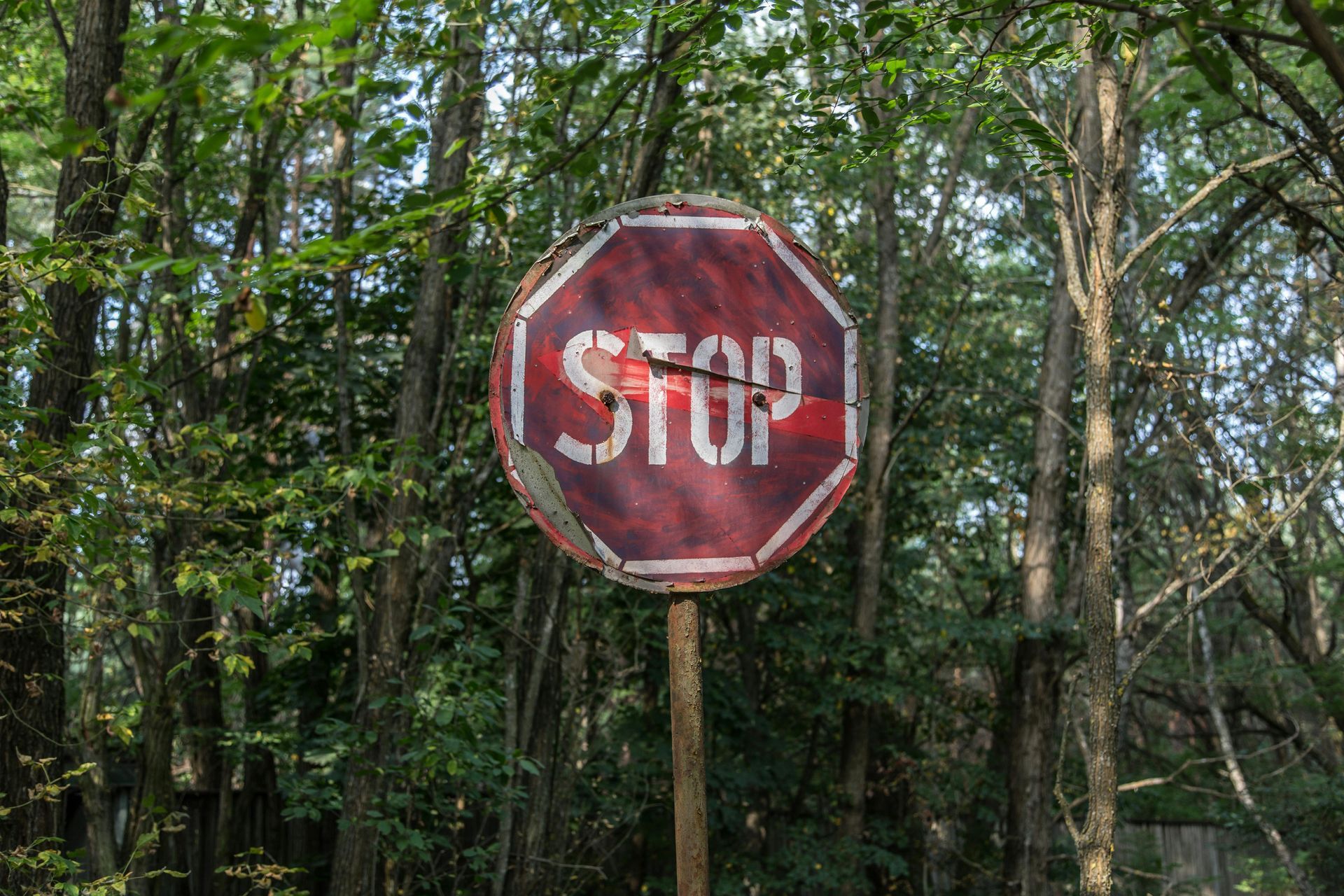
Stop sign in a forest

Even though Washington State generally allows property owners to trim branches that overhang their property, that right has clear legal limits. Certain actions cross the line from lawful trimming into tree damage, negligence, or even timber trespass—especially when pruning affects the tree’s health, stability, or long-term survival. Understanding what you cannot do is just as important as knowing what’s allowed, because liability often arises from well-intended but improper cutting.

Legal boundary

You cannot cross the property line without permission

In Washington, you generally may trim what overhangs onto your property—but you cannot enter a neighbor’s property or cut portions of the tree that are fully on their side of the line without consent.

  • Access matters: stepping onto a neighbor’s land without permission can be trespass—even if the branch overhangs your yard.
  • Cutting past the line isn’t automatic: the default right applies only to what extends onto your property.
  • Get clear consent: written permission is best and helps prevent “who said what” disputes later.
Takeaway: Overhanging branches don’t grant access rights to the land or to parts of the tree on the neighbor’s side.
Tree damage

You cannot harm, destabilize, or kill the tree

Even if you only cut from your side of the property line, you can still be liable if the pruning harms the tree’s health or structural stability.

  • Excessive pruning can cause decline: over-reduction, topping, or removing major limbs can stress or kill a tree.
  • Structural harm counts: creating one-sided canopy imbalance can increase wind failure risk.
  • Intent doesn’t control liability: damage can be actionable even when it wasn’t intentional.
Important: “Lawful trimming” becomes a problem when it causes decline, instability, or failure.
Negligence

You cannot ignore foreseeable risk

If a reasonable person would expect the trimming to cause harm, proceeding anyway may be viewed as negligence—especially when large limbs, defects, or high-value targets are involved.

  • Big cuts carry higher risk: poor technique can lead to tearing, decay, or long-term structural weakness.
  • Defects change the equation: decay, cracks, lean, root disturbance, and prior failures make trees more vulnerable.
  • Delayed damage still matters: decline or failure months later can still be linked back to improper pruning.
Tip: If you’re unsure, document conditions and get an ISA Certified Arborist opinion before cutting.
Standards of care

You cannot use improper pruning practices

“Reasonable” trimming usually assumes basic arboricultural standards. Work that would fail professional pruning practices is harder to defend if a dispute follows.

  • Avoid damaging cuts: no topping, flush cuts, or leaving long stubs that increase decay and weak regrowth.
  • Don’t over-prune at once: removing too much canopy can stress the tree and reduce stability.
  • Professional standards apply: ANSI A300 methods are commonly used to judge pruning quality and reasonableness.
Practical note: If the plan is “major reduction,” it’s usually time to involve a professional.
Legal consequences

You cannot assume trimming eliminates liability

Trimming isn’t a “safe harbor.” Even work that seems minor can create responsibility if it contributes to later damage, loss of the tree, or conflict escalation.

  • Damage claims are possible: neighbors may seek compensation if trimming leads to decline, failure, or loss.
  • Timber trespass can be triggered: unauthorized or severe cutting can carry statutory consequences in Washington.
  • Insurance may not protect you: policies often exclude damage caused by improper pruning or intentional acts.
Bottom line: If it’s more than basic clearance, document first—and consider an arborist assessment.

How to Reduce Risk and Protect Yourself Before Trimming a Neighbor’s Tree

Before trimming a neighbor’s tree, the most important step is reducing uncertainty—about boundaries, tree condition, and potential consequences. Many disputes arise not from bad intentions, but from assumptions: where the property line is, how much pruning is “reasonable,” or whether the tree can tolerate the work. Taking a few proactive steps before cutting can help prevent tree damage, insurance disputes, or claims of negligence or timber trespass. The following best practices reflect how arborists, insurers, and municipalities commonly evaluate trimming-related conflicts in Washington State.

Boundaries

Confirm the property line—or your assumptions

Many trimming disputes start with uncertainty about where the property line actually is. Fences, landscaping, and visual cues are often used in practice, but they are not definitive.

  • Use visible cues cautiously: fences and hedges are often close—but not guaranteed—to reflect true boundaries.
  • Surveys provide certainty: when stakes are high, a survey can eliminate guesswork.
  • Document assumptions: note what boundary indicators were relied on if no survey exists.
Tip: Boundary uncertainty is common—documenting assumptions helps show good-faith decision-making.
Communication

Communicate before cutting

Clear, early communication with neighbors often prevents misunderstandings that escalate into formal disputes after work is performed.

  • Explain the concern: describe why trimming is needed (clearance, safety, access).
  • Discuss scope: outline what will and will not be cut.
  • Get permission in writing: written consent can expand what is allowed and reduce later conflict.
Best practice: Written communication protects both parties if questions arise later.
Documentation

Document tree condition before trimming

Photos and notes taken before trimming can be critical if there is later disagreement about whether damage already existed or was caused by the work.

  • Photograph the tree: include the base, canopy, defects, and nearby targets.
  • Capture scale: show limb size and proximity to structures or fences.
  • Date your records: timestamps help establish pre-work conditions.
Why it matters: Many disputes hinge on what the tree looked like before trimming began.
Professional input

Use an arborist when scope increases

When trimming involves large limbs, visible defects, or potential structural impact, professional arborist input can reduce risk and provide objective guidance.

  • Assess risk: identify defects, decay, or stability concerns.
  • Define reasonable scope: determine what pruning meets accepted standards.
  • Create defensible documentation: written findings can support later review.
Practical note: Arborist documentation often carries weight with insurers and municipalities.
Local rules

Check for permits or local restrictions

In some cities, certain trees are protected regardless of ownership or location. Trimming may require permits or be subject to additional regulations.

  • Street and protected trees: may be regulated by city code.
  • Critical areas: additional rules may apply near shorelines or steep slopes.
  • Contractor responsibility: permits are often required before work begins.
Reminder: Permit requirements can apply even when trimming seems minor.

🧾Why Arborist Documentation Matters in Trimming Disputes

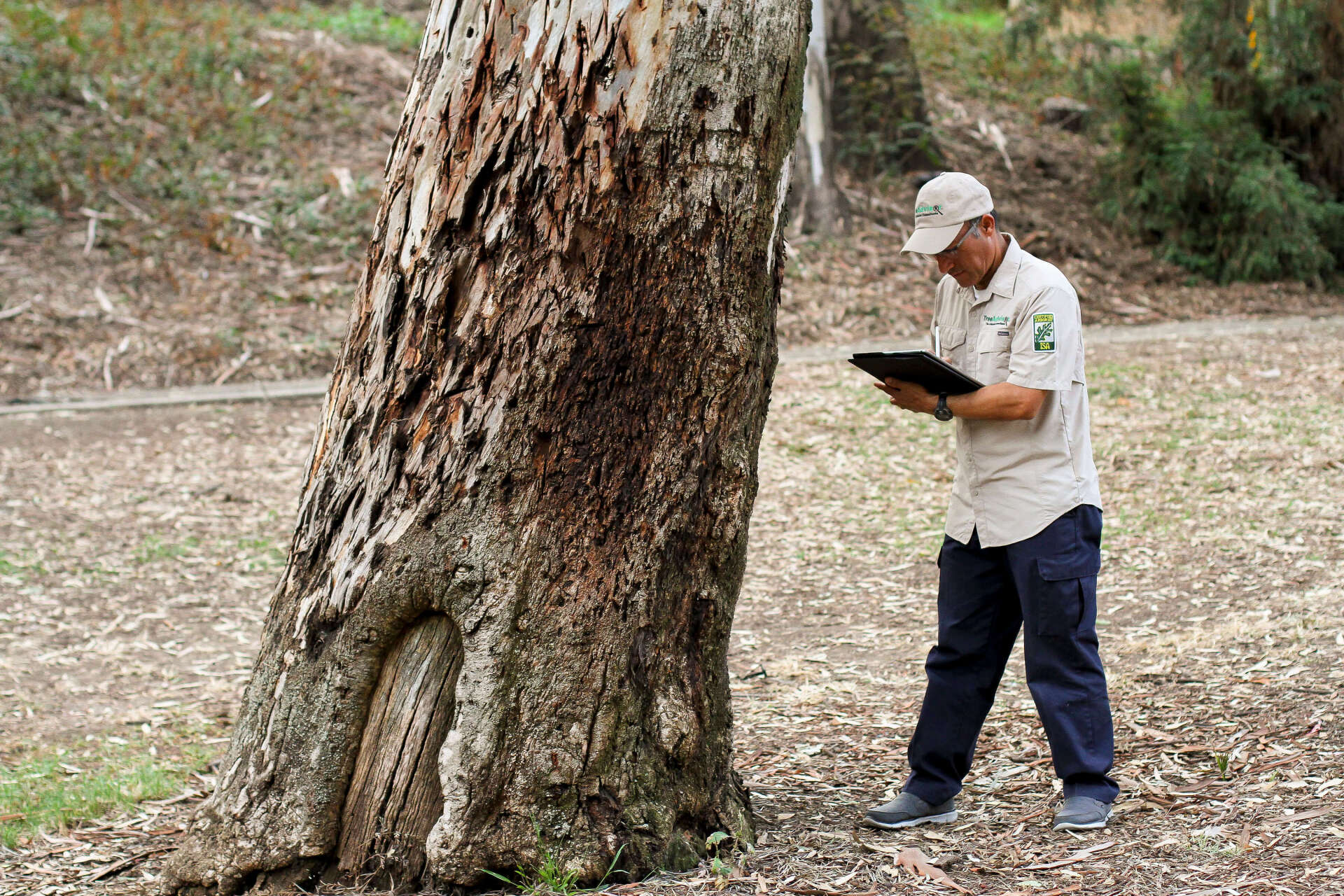
Certified Arborist documenting tree condition

Disputes involving overhanging branches often hinge on documentation—not opinions. When questions arise about whether trimming was reasonable, harmful, or foreseeable, arborist documentation can provide objective, professional findings about tree condition, risk, and pruning impacts. In Washington State, written arborist assessments are commonly used to clarify responsibility, support insurance claims, and reduce conflict between neighbors before issues escalate.

When tree responsibility is unclear or documentation matters, an ISA Certified Arborist can help assess the situation and provide clear, defensible guidance.

Tree condition before trimming

Arborists document overall tree health, vigor, existing defects, and structural characteristics prior to any work. This establishes a baseline and helps distinguish pre-existing issues from trimming-related damage.

Tree condition after trimming

Post-trimming documentation can show whether pruning followed accepted standards and whether immediate impacts to structure, balance, or health are present.

Location of trunk, roots, and property line

Arborists often note where the trunk, root flare, and major structural roots are located in relation to assumed or known property boundaries. This context is critical when disputes involve boundary lines or access.

Structural defects and failure potential

Documentation may include decay, cracks, weak unions, lean, or prior failures that increase vulnerability. These factors influence how trimming affects stability and risk.

Compliance with ANSI A300 pruning standards

Arborists evaluate whether pruning meets industry standards for cut placement, pruning extent, and overall impact. Deviations from ANSI A300 are commonly cited in disputes.

Foreseeability of damage or failure

A key question in many disputes is whether harm was foreseeable at the time of trimming. Arborist findings can address whether a reasonable person should have anticipated the outcome.

Impact on tree stability and long-term health

Some pruning effects are delayed. Documentation can assess whether trimming is likely to contribute to decline, imbalance, or future failure months or years later.

Use in insurance, municipal, or legal review

Arborist letters and reports are frequently used by insurers, cities, HOAs, and attorneys to evaluate responsibility and appropriate next steps.

When a formal arborist report is appropriate

Larger trees, boundary disputes, prior damage, or high-value targets often justify a written arborist report rather than informal guidance.

Common Mistakes Homeowners Make When Trimming Neighbor Trees

Many disputes over overhanging branches don’t start with bad intentions—they start with assumptions. Homeowners often assume a fence marks the property line, that trimming from their side eliminates responsibility, or that minor cutting can’t cause long-term harm. In reality, unclear boundaries, improper pruning, lack of documentation, and poor communication are the most common reasons trimming disputes escalate into insurance claims or legal conflict. Understanding these common mistakes—and avoiding them—can help protect relationships, preserve trees, and reduce unnecessary risk when addressing overhanging branches in Washington State.

Boundary assumption

Assuming a fence marks the property line

Fences and landscaping are often close to the true boundary, but they aren’t definitive. Many disputes start when trimming crosses what one party believes is “the line.”

  • Visible cues can mislead: fences shift, get rebuilt, or were never placed on the true line.
  • High-stakes situations: consider a survey or written agreement before cutting.
  • Document assumptions: note what indicators you relied on if no survey exists.
Takeaway: If the boundary is uncertain, treat the scope as limited and document your reasoning.
Over-pruning

Removing more than basic clearance

Homeowners often cut too much at once—especially when chasing views, sunlight, or “evening out” the tree. Excessive pruning increases stress and can create long-term structural problems.

  • Avoid aggressive reduction: large canopy loss can trigger decline and weak regrowth.
  • Don’t reshape the tree: trimming rights are typically about resolving interference, not redesigning a neighbor’s canopy.
  • Follow proper methods: ANSI A300 practices help define “reasonable” pruning.
Tip: If the plan changes the tree’s overall form, it’s time to involve an arborist.
Permission gap

Cutting past the line without written permission

Even when neighbors verbally agree, disputes can flare later—especially after the work is done. Clear written permission helps avoid misunderstandings.

  • Keep it simple: a signed note describing the scope can prevent conflict.
  • Define limits: what will be cut, what won’t, and who is performing the work.
  • Protects both sides: reduces “I never agreed to that” situations.
Best practice: Written consent is the cleanest way to expand scope beyond the property line.
No documentation

Skipping photos and pre-trim documentation

If the tree later declines or fails, the biggest question becomes: “What did it look like before?” Photos and notes often determine how responsibility is evaluated.

  • Take dated photos: base, canopy, defects, and nearby targets (roof, fence, driveway).
  • Capture limb size: show scale to document the scope of work.
  • Keep records: texts/emails, permissions, and invoices in one folder.
Why it matters: Many disputes hinge on whether damage was pre-existing or caused by trimming.
Risk oversight

Ignoring defects and foreseeable risk

Trees with decay, cracks, lean, or prior failures can react unpredictably to pruning. Large limb removal can increase failure risk—especially in wind and saturated soils.

  • Defects change the risk: what’s “fine” on a healthy tree may be unsafe on a compromised one.
  • Delayed impacts count: decline or failure months later may still be linked to pruning.
  • Get an arborist when unsure: professional documentation can prevent expensive mistakes.
Bottom line: If there’s visible defect or large limbs are involved, get an arborist assessment first.