Why Tree Pruning Matters: Health, Safety, Structure, and Long-Term Tree Care
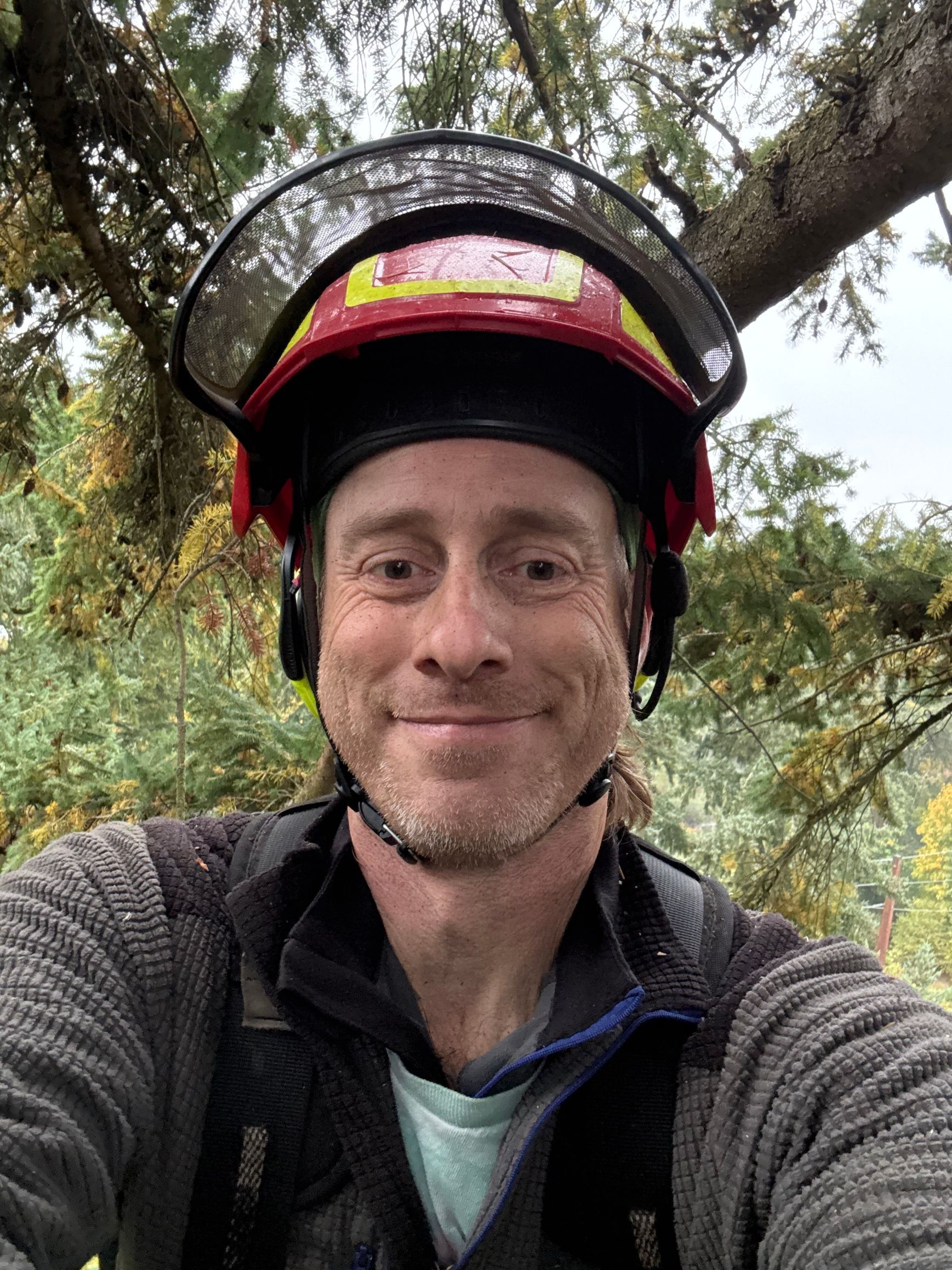
Written By: Eric Ledford
ISA Certified Arborist – PN-9290A
ISA Qualified Tree Risk Assessor (TRAQ)

Trees are a valuable part of any landscape, providing shade, beauty, privacy, and environmental benefits. However, trees require ongoing maintenance to remain healthy and safe. One of the most important aspects of tree care is pruning.
Proper tree pruning does much more than improve appearance. When performed correctly, pruning can reduce safety hazards, improve tree health, encourage strong structure, and extend the lifespan of your trees. Whether you have large shade trees, ornamental species, or fruit trees, understanding the purpose of pruning can help you make informed decisions about your property's long-term tree care.
What Is Tree Pruning?
Tree pruning is the selective removal of branches to improve a tree's health, structure, safety, or appearance. Unlike random cutting or aggressive trimming, professional pruning follows industry standards and considers the biology of the tree.
Certified arborists use pruning to remove dead, damaged, diseased, or poorly attached branches while preserving the tree's natural form and long-term health.
Every pruning cut should have a purpose. Improper cuts can create wounds that increase the risk of decay, disease, and structural failure.
Benefits of Tree Pruning
Improves Tree Health
Trees naturally shed branches over time, but dead, dying, or diseased limbs can become a source of ongoing problems. Pruning helps remove these issues before they spread throughout the canopy.
Health-focused pruning can:
- Remove dead or dying branches
- Reduce the spread of certain diseases
- Improve airflow throughout the canopy
- Allow sunlight to reach interior branches
- Reduce stress caused by damaged limbs
A healthier canopy allows the tree to allocate resources more efficiently and maintain vigorous growth.
Reduces Risk and Improves Safety
One of the most common reasons homeowners schedule tree pruning is to reduce risk.
Dead limbs, cracked branches, and poorly attached stems can fail unexpectedly, especially during Pacific Northwest windstorms, heavy rain, or winter weather events.
Pruning can help reduce hazards by:
- Removing deadwood
- Eliminating broken branches
- Reducing end-weight on overextended limbs
- Improving branch spacing
- Identifying structural defects before failure occurs
Regular inspections and pruning can help reduce the likelihood of property damage and improve safety for people using the space beneath the tree.
Encourages Strong Tree Structure
Young trees benefit significantly from structural pruning.
Without guidance, trees may develop competing leaders, weak branch attachments, or poor branch spacing. These defects can become major problems as the tree matures.
Structural pruning helps:
- Develop a strong central leader
- Improve branch spacing
- Reduce future failure points
- Promote balanced growth
- Increase long-term stability
Corrective pruning performed early often prevents the need for more extensive pruning later in the tree's life.
Improves Appearance and Property Value
Well-maintained trees contribute significantly to curb appeal.
Selective pruning can improve a tree's natural shape while removing unsightly dead or damaged growth. A properly maintained landscape often creates a more attractive and welcoming property.
Professional pruning focuses on enhancing the tree's natural form rather than forcing it into an unnatural shape.
Improves Fruit Production
Fruit trees often require specialized pruning to maximize production and maintain tree health.
Proper fruit tree pruning can:
- Improve sunlight penetration
- Increase airflow
- Encourage stronger fruiting wood
- Improve fruit size and quality
- Make harvesting easier
Different fruit species require different pruning approaches, making timing and technique especially important.
When Should Trees Be Pruned?
The ideal pruning season depends on the species, condition, and objectives of the pruning.
In the Pacific Northwest, many trees are commonly pruned during the dormant season when their structure is easier to evaluate and stress is minimized.
However, certain situations may require pruning at other times of the year, including:
- Removal of hazardous branches
- Storm damage mitigation
- Clearance pruning
- Disease management
- Fruit tree maintenance
Because every tree responds differently, professional evaluation is often the best way to determine the appropriate timing.
Common Tree Pruning Mistakes to Avoid
Improper pruning can cause long-term damage that may take years to become visible.
Common mistakes include:
Tree Topping
Tree topping removes large portions of a tree's canopy and often triggers weak, rapid regrowth. This practice can increase future risk while reducing tree health and appearance.
Flush Cuts
Removing branches flush against the trunk damages the branch collar and interferes with the tree's natural ability to compartmentalize wounds.
Excessive Crown Removal
Removing too much foliage can stress the tree and reduce its ability to produce energy through photosynthesis.
Lion's Tailing
Removing excessive interior branches while leaving foliage concentrated at branch tips can create structural and wind-loading problems.
Improper Timing
Pruning at the wrong time of year can increase stress, reduce flowering, or make trees more susceptible to pests and disease.
Professional Tree Pruning vs. DIY Pruning
Small pruning tasks may be manageable for homeowners, but larger pruning projects often involve significant safety risks.
Professional arborists have training in:
- Tree biology
- Structural assessment
- Proper pruning techniques
- Industry standards
- Climbing and aerial operations
- Hazard recognition
They can also identify conditions that may not be obvious to the untrained eye, such as decay, weak attachments, or developing structural defects.
Pruning decisions made today can affect a tree's health and stability for decades.
Tree Pruning in the Pacific Northwest
Trees in the Seattle and Puget Sound region face unique environmental conditions.
Heavy winter rainfall, periodic snow loading, and seasonal windstorms can place significant stress on trees. Species such as Douglas fir, bigleaf maple, western red cedar, and alder often benefit from periodic inspections and maintenance pruning.
Proper pruning can help trees better withstand environmental stress while preserving their natural form and structural integrity.
Because local growing conditions differ from other parts of the country, pruning recommendations should be tailored to the specific species, site conditions, and objectives for each tree.
Frequently Asked Questions
How often should trees be pruned?
The frequency depends on the species, age, condition, and location of the tree. Some trees benefit from inspections every few years, while others may require more frequent maintenance.
Can pruning improve tree health?
Yes. Proper pruning can remove dead, damaged, or diseased branches and improve airflow and light penetration throughout the canopy.
Is tree pruning the same as tree trimming?
The terms are often used interchangeably, but pruning generally refers to targeted cuts made for health, structure, and safety, while trimming may focus more on appearance or clearance.
Can pruning prevent storm damage?
While no pruning can eliminate all risk, proper pruning can reduce the likelihood of branch failures and improve overall tree structure.
What is the best time of year to prune trees?
The answer varies by species and objective. A professional arborist can recommend the most appropriate timing for your specific trees.
Schedule a Tree Pruning Consultation
Every tree has different pruning needs based on its species, age, condition, and location. While proper pruning can improve tree health, reduce hazards, and encourage strong growth, incorrect pruning can create long-term structural problems and increase the risk of failure.
If you're unsure whether your trees need pruning, the arborists at Sound Tree Care can help. We'll assess your trees, identify any safety concerns, and recommend a pruning plan that supports their long-term health and structure.
Contact Sound Tree Care today to schedule a consultation and learn how professional pruning can help protect your trees and your property.