Washington Tree Laws (2025 Guide)

gavel

Understanding Washington’s tree laws is essential for homeowners, tenants, HOAs, and property managers—especially when trees cross property lines, block views, cause storm damage, or spark neighbor disputes. This 2025 Washington Tree Law Guide explains how tree ownership works, who is responsible for damage, what you can legally trim, and how state law (including RCW 64.12 timber trespass rules) applies to boundary trees, street trees, and environmentally critical areas. Written and reviewed by ISA Certified Arborists familiar with Washington’s municipal codes, this resource provides clear, accurate, and up-to-date guidance to help you avoid liability and protect your property.

Related Washington Tree Law Resources

To explore related legal and ownership questions in more detail, visit our Tree Law Resource Hub:


Content Authorship & Review

This page is written and reviewed by ISA Certified Arborists to support clear, accurate guidance for homeowners in the Puget Sound region.

Written By
AJ Flanagan, ISA Certified Arborist

AJ Flanagan

Assistant Operations Manager

ISA Certified Arborist (PN-374999A)

AJ supports on-site assessments and practical recommendations for tree pruning, removals, and safety decisions across the Puget Sound region. This page reflects field experience and current arboricultural standards.

Reviewed By
Eric Ledford, ISA Certified Arborist and TRAQ Qualified Tree Risk Assessor

Eric Ledford

Founder, Sound Tree Care LLC

ISA Certified Arborist (PN-9290A) • TRAQ • NUCA Dig Safe

Eric reviewed this page for accuracy and alignment with ISA best practices, ANSI A300 guidance, and common municipal permitting considerations in the Puget Sound region. This content is informational and not legal advice.

Who Owns a Tree in Washington?

In Washington State, tree ownership is determined by the location of the trunk and root system, and understanding who legally owns a tree is the foundation of resolving most neighbor tree disputes. Washington tree law distinguishes between trees fully on your property, trees entirely on a neighbor’s property, and boundary trees that sit on the property line—and each category comes with different rights, responsibilities, and potential liabilities under RCW 64.12 (timber trespass) and local municipal tree codes. The sections below break down these three ownership scenarios so you can quickly identify your legal position and understand what you can—and cannot—do when trimming, removing, or managing trees near a shared boundary.

Your Rights and Responsibilities as the Legal Tree Owner in Washington

If a tree is fully located on your property—meaning the entire trunk and root flare originate on your land—you are the legal owner under Washington tree law. Ownership gives you broad rights, but also important responsibilities. As the tree owner:


  • You may prune, maintain, or remove the tree, provided you follow local municipal tree codes and permit requirements.
  • You are liable for damage caused by a hazardous or neglected tree (for example, if a dead limb falls onto a neighbor’s property).
  • You must comply with environmental regulations if the tree is located in an Environmentally Critical Area (ECA), riparian zone, or steep slope.
  • Cutting or pruning your own tree is not timber trespass, but you should be mindful of roots or branches that extend into neighboring land and may cause disputes.

Washington courts expect property owners to maintain their trees safely. Ignoring a diseased or structurally unsound tree can lead to civil liability, insurance claim disputes, or even triple damages under RCW 64.12 if a neighbor’s property is harmed due to negligence.

Your Rights When a Neighbor’s Tree Crosses the Property Line

When a tree is fully located on your neighbor’s property, your rights are limited—but Washington law still allows you to take reasonable action to protect your property. Under Washington State tree law:

  • You may legally trim branches or roots that cross onto your property, but only up to the property line.
  • You cannot enter your neighbor’s property without permission. Doing so may expose you to civil penalties.
  • You may not damage or destabilize the tree while trimming. If your actions cause harm, you could be liable for triple damages under Washington’s timber trespass statute (RCW 64.12.030).
  • You cannot throw trimmed debris back onto the neighbor’s property—it can be considered littering or dumping.

Because improper trimming can kill a tree or create safety hazards, Washington arborists and attorneys strongly recommend hiring an ISA Certified Arborist to evaluate risk and avoid accidental liability.

Washington’s Rules for Trees That Sit on the Property Line

A boundary tree—also called a “line tree”—is a tree whose trunk straddles the property line. Washington law treats these trees as jointly owned, meaning:


Boundary trees are one of the most common sources of neighbor disputes in Washington. Because of the shared ownership, decisions about pruning, risk mitigation, or removal should be based on a formal Tree Risk Assessment (TRAQ) performed by an ISA Qualified Tree Risk Assessor.


If ownership is unclear, Washington courts rely on land surveys and physical trunk location—not canopy spread—to determine legal ownership. Hiring a licensed surveyor is recommended in complex or disputed cases.

Understanding who legally owns a tree is only the first step. Once ownership is clear, Washington tree law also defines what each party can do about overhanging branches, encroaching roots, hazardous limbs, storm damage, and trees growing near property lines or structures. The next sections explain your specific rights when trimming a neighbor’s tree, how to avoid timber trespass under RCW 64.12, and when local city codes or permit rules apply—especially in Seattle, Bellevue, Renton, and other Washington jurisdictions. These guidelines help prevent costly mistakes and ensure all work meets current arboricultural standards and municipal regulations.

Overhanging Branches & Root Encroachment in Washington

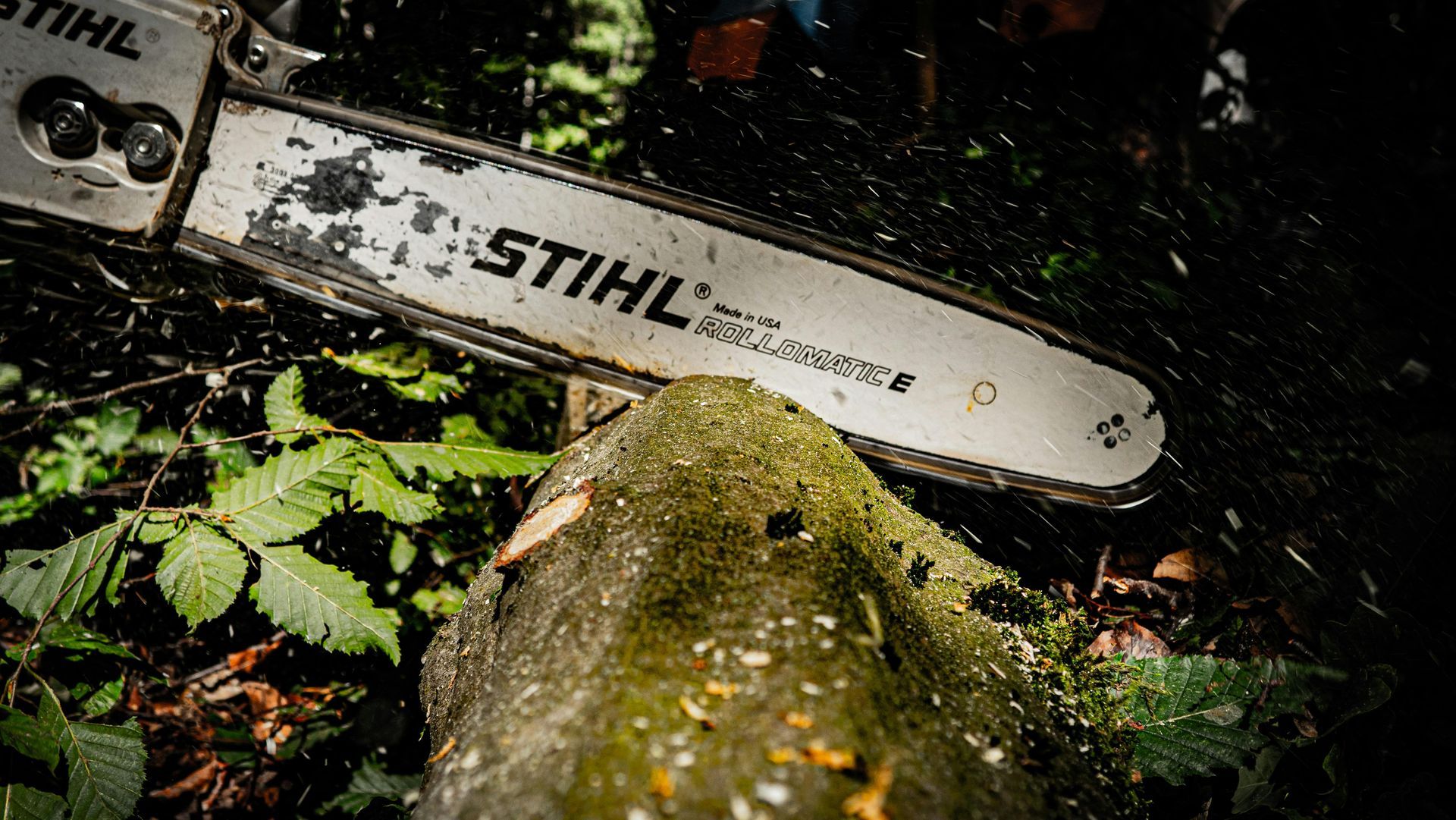
chainsaw cutting log

In Washington State, you have the legal right to trim branches or roots from a neighbor’s tree only up to the property line, but you cannot damage, destabilize, or disfigure the tree in the process. Over-pruning or improper root cutting can expose you to liability under Washington’s timber trespass statute (RCW 64.12), especially if your actions harm or kill the tree. Because the health and structural stability of a tree can be compromised by even small cuts, Washington courts and municipal codes strongly recommend hiring an ISA Certified Arborist—ideally a TRAQ Qualified Tree Risk Assessor—to evaluate risk, determine safe pruning limits, and ensure the work complies with ANSI A300 pruning standards.

Roots, Sidewalks, and Underground Damage

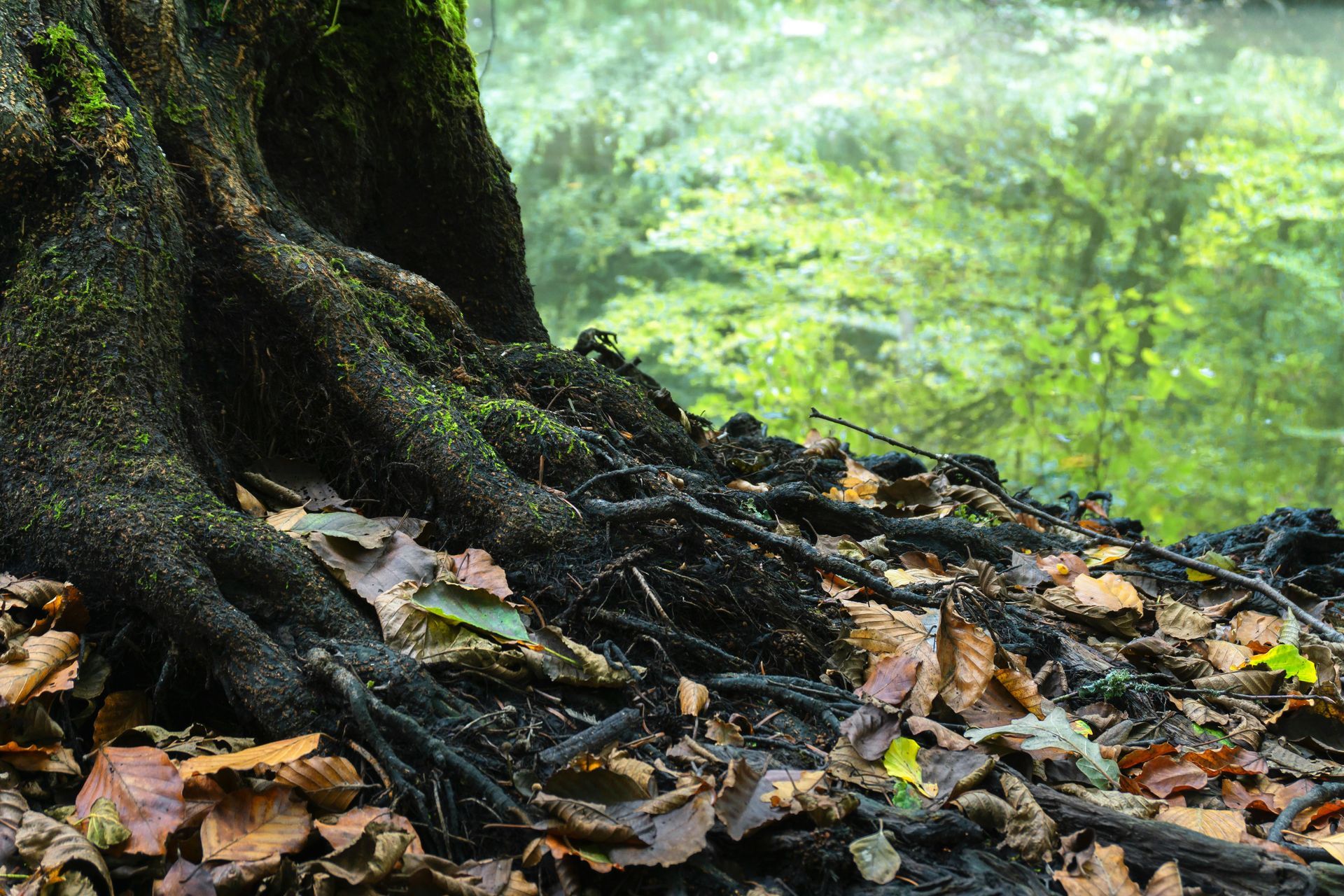
Tree roots and buttress flare

Root systems can extend far beyond the trunk, and in Washington State, property owners frequently face disputes involving lifted sidewalks, cracked driveways, damaged retaining walls, blocked drainage lines, and roots invading a neighbor’s yard. Legally, a property owner may trim roots that cross onto their land up to the property line, but they cannot cause significant harm to the tree or destabilize it. If root cutting kills or severely injures the tree—especially if the tree grows on a neighbor’s property—the responsible party can be liable for triple damages under Washington’s timber trespass statute (RCW 64.12).


When root growth causes structural damage, Washington courts typically consider whether the tree owner acted reasonably in maintaining the tree and whether the neighbor notified them of the problem. If the tree owner ignored a known hazard, they may be financially responsible for related repairs. Because cutting roots can create serious safety risks—including tree failure—homeowners are strongly advised to consult an ISA Certified Arborist or a TRAQ Qualified Tree Risk Assessor before taking action.

Trees Falling in Storms — Washington Liability Rules

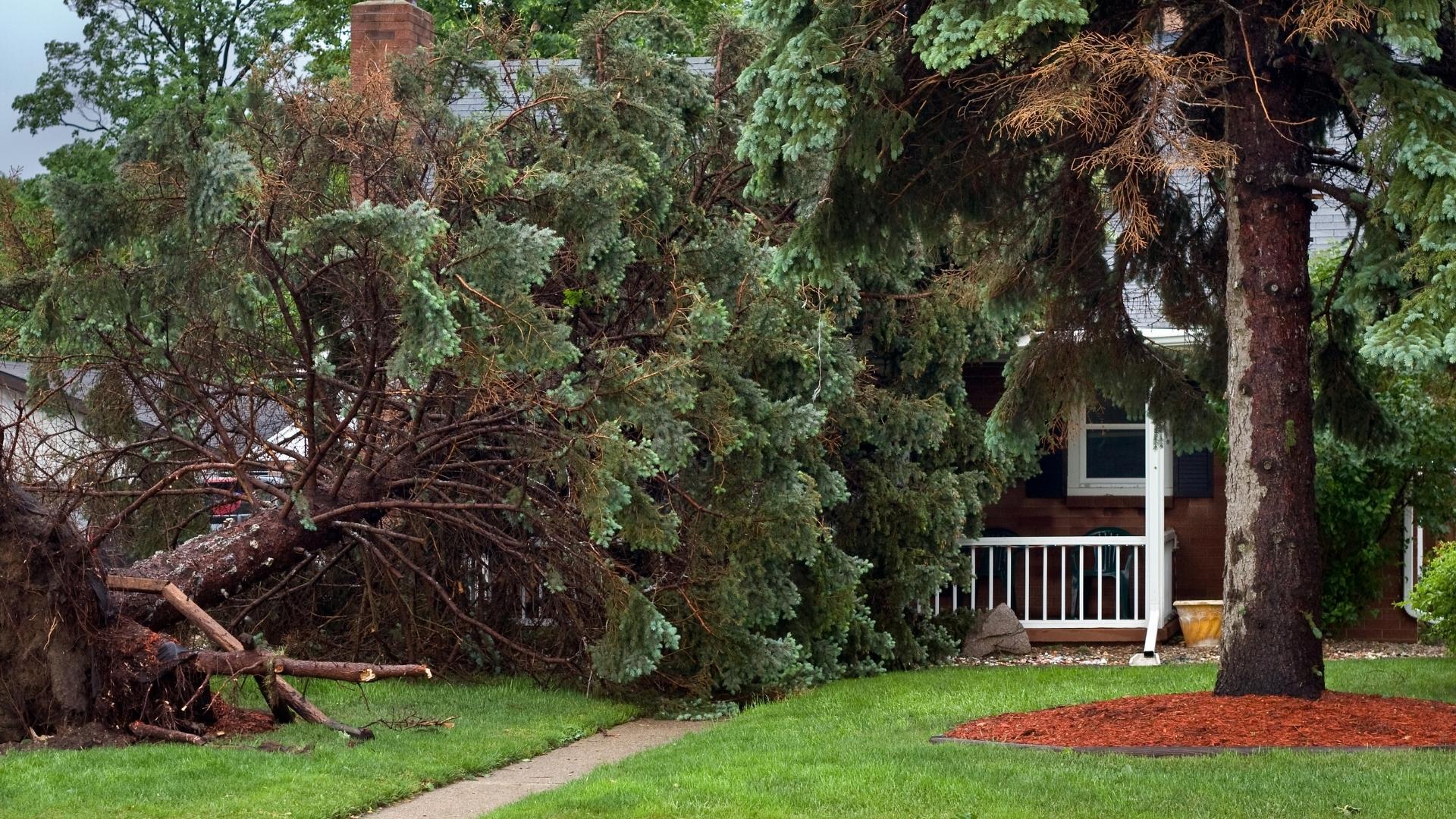
tree fallen on home during storm

Washington follows both the “Act of God” rule and the “Negligence” rule. If a healthy tree falls during a severe storm, the property owner who suffered the damage is typically responsible for cleanup and repairs. However, if the fallen tree was dead, diseased, cracked, or known to be hazardous—and the owner failed to maintain it—liability shifts to the tree owner. Insurance companies in Washington often rely on TRAQ assessments, arborist reports, and documented warnings to establish negligence. For this reason, homeowners near large Douglas firs, cottonwoods, maples, and cedars should schedule routine assessments to document tree condition before a weather event occurs.

The Importance of Surveys in Tree Law Cases

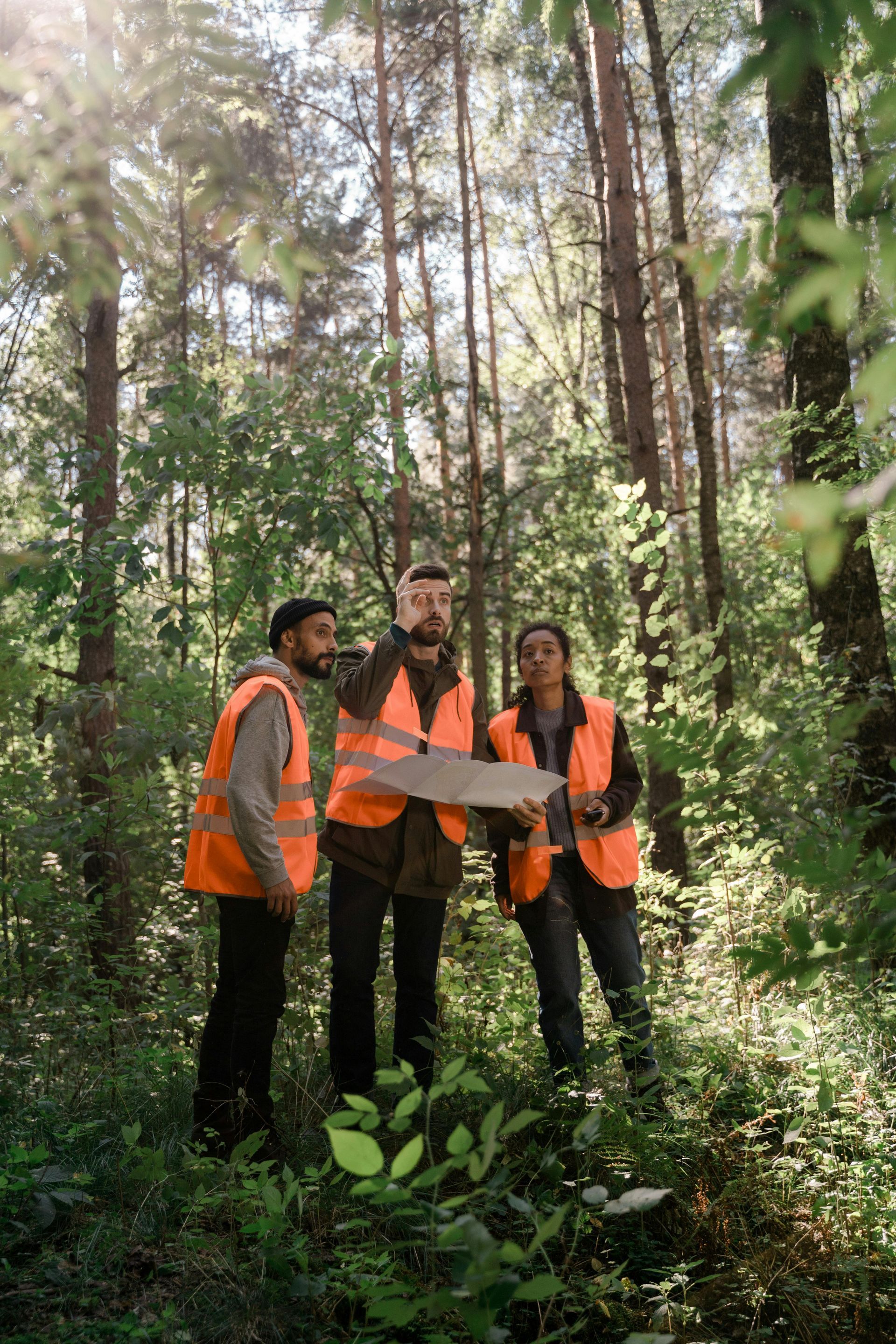
arborists perform survey

Determining tree ownership is one of the most critical steps in resolving Washington tree disputes—especially when a trunk sits near or directly on a property line. Courts in Washington rely on licensed land surveyors to establish the legal boundary line, not visual estimates, fences, or assumptions about canopy spread. Without a survey, homeowners risk making decisions that may unintentionally violate Washington’s timber trespass statute (RCW 64.12), which can impose triple damages if a tree is cut or harmed without clear ownership.


A professional survey is essential before trimming, cutting, or removing any tree whose location is uncertain. Surveys provide defensible documentation, strengthen your legal position, and help prevent costly disputes with neighbors, HOAs, or insurance companies.


🎯 Key Takeaway:


A licensed land survey is the only legally recognized way to confirm tree ownership in Washington—and it can protect you from accidental timber trespass or boundary disputes.

 When to Contact an Arborist or Attorney

Tree Law Attorney image

Tree disputes in Washington can involve complex legal and safety issues, including structural defects, hazard ratings, municipal tree codes, and potential timber trespass claims. Homeowners should contact an ISA Certified Arborist—preferably TRAQ Qualified—when evaluating hazardous trees, pruning near property lines, preparing documentation for insurance, or navigating removal permits. Legal counsel is recommended when neighbors refuse access, when property damage has occurred, or when a boundary tree or timber trespass claim is likely. Combining professional arborist documentation with legal guidance provides the strongest protection under Washington State law.

The Role of Specialized Professionals in Tree Law Cases

ISA Certified Arborist Badge

Tree law cases often require multiple experts working together to document risk, establish ownership, and support legal decision-making. In Washington, insurance companies, attorneys, and even municipal officials rely on objective professional assessments when evaluating tree disputes.


  • ISA Certified Arborists provide expert evaluations of tree health, structural stability, and potential hazards. Their documentation can influence decisions related to liability, negligence, or damages.
  • ISA TRAQ (Tree Risk Assessment Qualification) Assessors conduct formal hazard assessments using industry-standard methodologies. A TRAQ report is frequently used in storm damage cases, neighbor disputes, and pre-litigation documentation.
  • Licensed Land Surveyors determine where the property line actually is. Their measurements are recognized by Washington courts and essential when assessing ownership or preparing for potential legal action.
  • Attorneys specializing in tree law interpret Washington statutes—including RCW 64.12—and represent homeowners in disputes involving boundary trees, trespass claims, and liability.

Working with the right professionals ensures that decisions about pruning, risk mitigation, or removal are based on defensible evidence—not assumptions or guesswork. This reduces liability exposure and helps resolve disputes faster and more fairly.


⭐ Key Takeaway:


Tree law issues in Washington are best resolved using expert documentation—from TRAQ tree risk assessments to boundary surveys—so your legal position is backed by verifiable evidence.