
🌳Looking for free wood chips near you? Whether you're a gardener, landscaper, or homeowner looking for cost-effective mulch, arborist wood chips can transform your soil health and reduce yard maintenance. This guide covers where to get free wood chips, how delivery works, and the best practices for using them in your garden or landscape.
Free Wood Chips Near Me: How to Find and Use Them for Landscaping
May 14, 2023
Written By: Eric Ledford
ISA Certified Arborist – PN-9290A
ISA Qualified Tree Risk Assessor (TRAQ)
Post updated June 27, 2026
How to Get Free Wood Chips: A Comprehensive Resource for Locating them Near You
Where to Find Free Wood Chips Near You (Including Local Delivery)
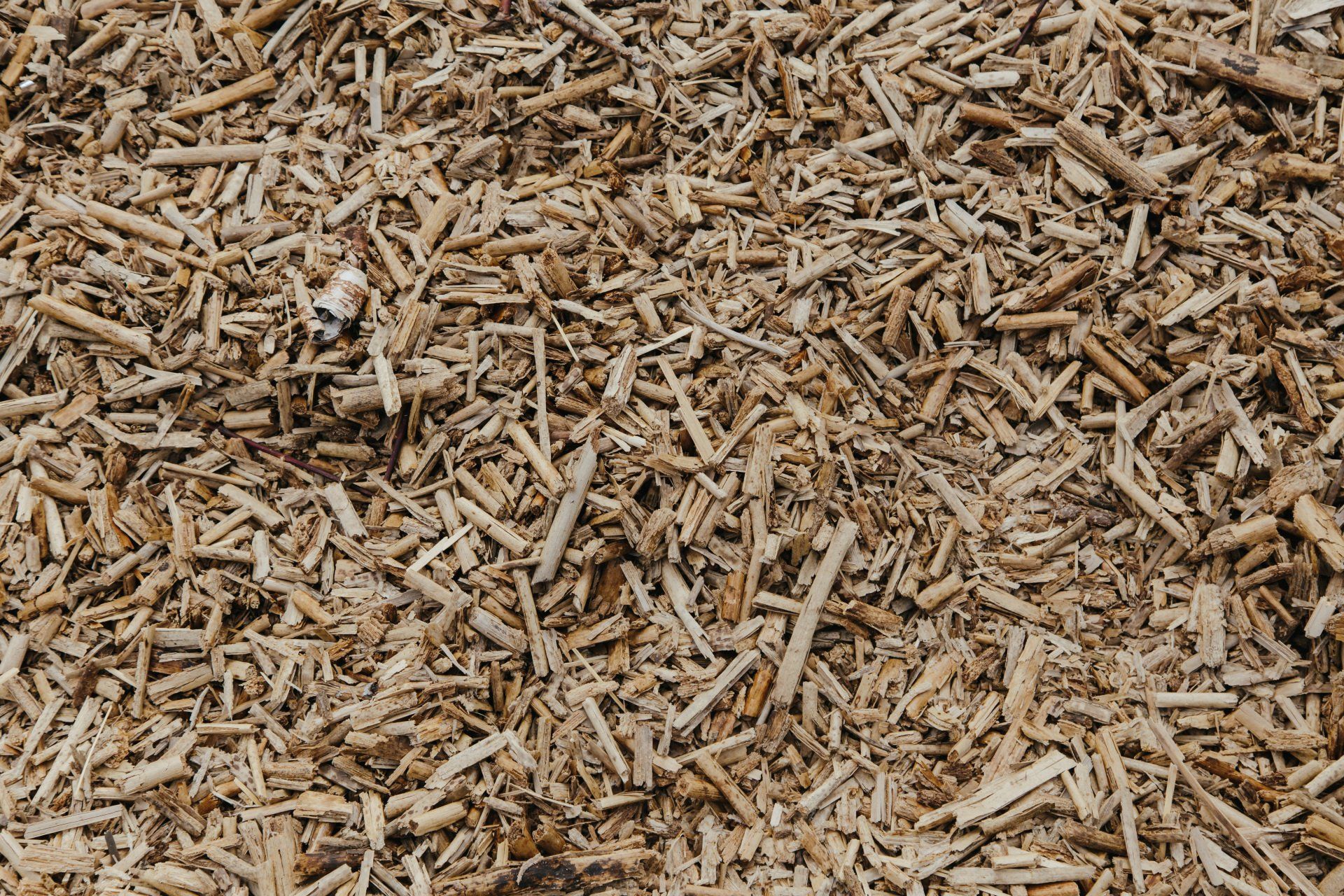
If you've searched for "free wood chips near me," you're looking for a reliable local source of fresh arborist wood chips. Tree services, municipal recycling programs, and community mulch programs are usually the best places to start. Sound Tree Care regularly has free arborist wood chips available throughout the Seattle area when crews are working nearby.
Whether you're searching for free wood chips near me, arborist wood chips near me, or free mulch delivery, local tree service companies are often the best source because fresh wood chips are produced daily during tree removals and pruning. Municipal recycling programs, landscaping suppliers, and community platforms like ChipDrop can also provide free or low-cost arborist mulch depending on availability.

✅ Tree Services & Arborists – Professional tree companies (including Sound Tree Care) are often the best source of fresh arborist wood chips because they're produced daily during tree removals and pruning. If crews are working in your neighborhood, free chip delivery may be available.
✅ Municipal Recycling Programs – Some cities provide free mulch through public works or yard waste programs.
✅ Online Resources & Community Groups – Websites like ChipDrop, Facebook Marketplace, OfferUp, and Craigslist often list free arborist wood chips.
✅ Local Utilities - Local utlities that perform RoW tree work often have chips available to the public. For instance, Portland General Electric offers free chips to residents.,
✅ Landscaping Supply Yards – Certain suppliers offer discounted or free chips if you pick them up.
👉Seattle Area Free Wood Chips - Check out our free wood chips in Seattle program and use the request form to get on the list when loads are available.
🌲 What Are Arborist Wood Chips? (And Why They’re Better Than Store-Bought Mulch)
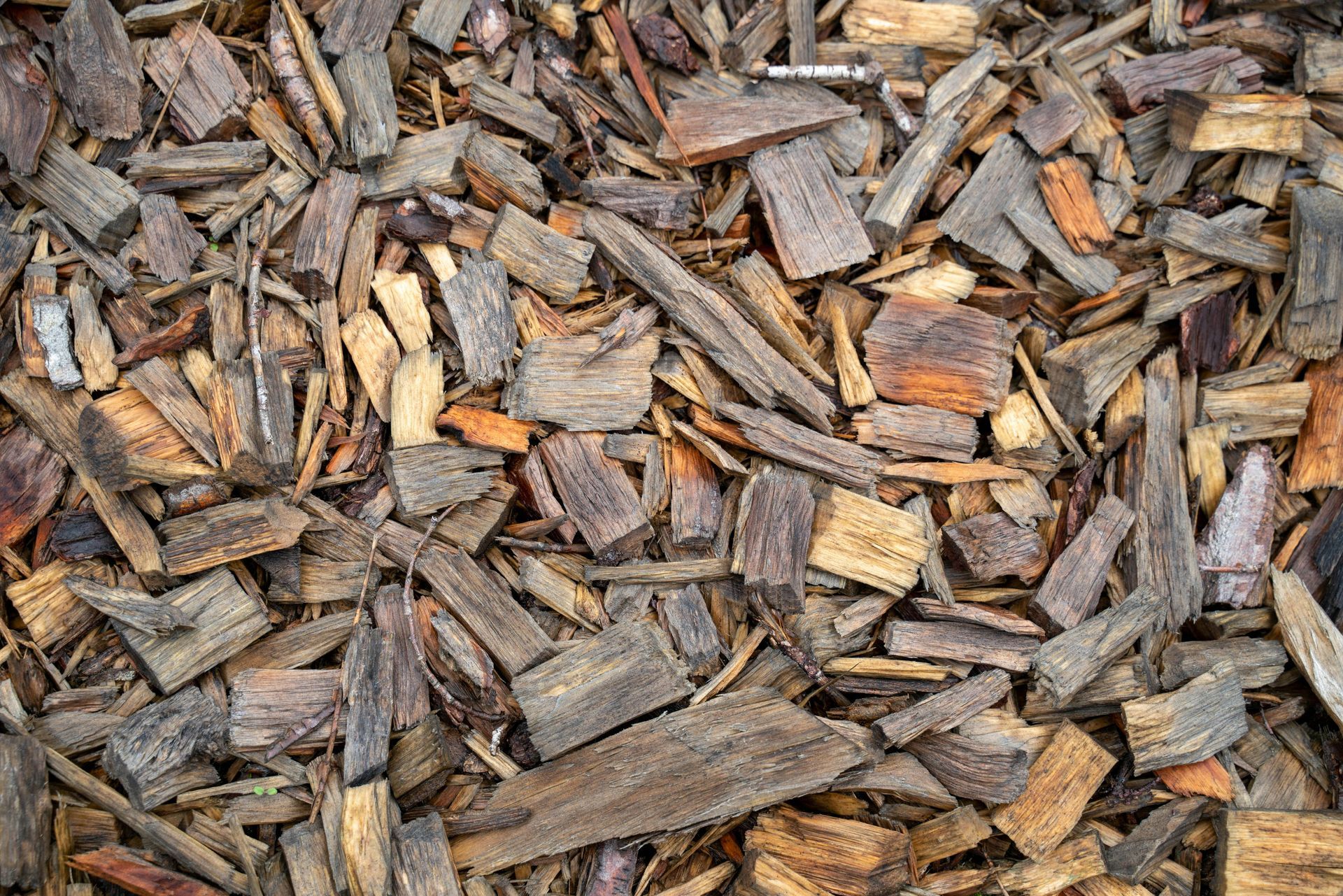
Arborist wood chips are freshly chipped branches, leaves, and small limbs from tree care work. Unlike bagged mulch, arborist chips contain bark, leaves, and green matter—a nutrient-rich blend that supports soil biology, moisture retention, fungal development, and long-term plant health.
Key benefits:
🌱 Feeds the Soil Naturally
Arborist chips break down over time and add organic matter back into the soil.
Arborist chips break down over time and add organic matter back into the soil.
💧 Improves Moisture Retention
Helps reduce watering needs during Seattle's dry summer months.
Helps reduce watering needs during Seattle's dry summer months.
🌿 Suppresses Weeds
A thick layer of chips blocks sunlight and reduces unwanted weed growth.
A thick layer of chips blocks sunlight and reduces unwanted weed growth.
🦠 Supports Soil Biology
Encourages fungal networks and beneficial microorganisms.
Encourages fungal networks and beneficial microorganisms.
🌡️ Regulates Soil Temperature
Keeps roots cooler during summer and insulated during winter.
Keeps roots cooler during summer and insulated during winter.
♻️ Sustainable Landscaping
Reuses local tree material instead of sending it to disposal facilities.
Reuses local tree material instead of sending it to disposal facilities.
🌲 Watch How Free Arborist Wood Chips Are Produced
Before arborist wood chips are delivered, they have to be made. Watch our crew turn branches, brush, and tree debris into fresh wood chips during a real Seattle-area tree service project. These locally produced chips are ideal for mulching around trees, suppressing weeds, improving soil health, retaining moisture, and controlling erosion on slopes.
Interested in receiving a free chip delivery? Join our wood chip request list to be notified when loads become available in your area.
Sound Tree Care Woodchip or Log Drop Request
Contact Sound Tree Care LLC for a chipdrop or firewood logs delivery!
Sound Tree Care provides tree care and removal services in the greater Seattle area. We often have arborist chips and logs available for free or low cost. If you are looking for arborist chips near Seattle, Washington, please fclick the button below.
Don't reside near Seattle? There is a convenient app for locating wood chips and firewood logs that can help you called Chipdrop.
Using Arborist Wood Chips in Seattle, Renton & the Greater Puget Sound
The Pacific Northwest's rainy climate, mature urban forests, and varied terrain make arborist wood chips one of the most useful landscaping materials available to homeowners. Throughout Seattle, Renton, Kent, Bellevue, and surrounding communities, fresh wood chips are commonly used to improve soil health, suppress weeds, reduce maintenance, and protect landscapes from erosion.
🌧️ Erosion Control on Slopes & Hillsides
Many Puget Sound properties contain steep slopes, retaining walls, or drainage corridors that are vulnerable to erosion during the wet winter months. A thick layer of arborist wood chips helps reduce soil movement, slow water runoff, and protect exposed ground from heavy rainfall. Wood chips are commonly used on hillside landscapes throughout Renton Highlands, West Seattle, Newcastle, and other sloped neighborhoods.
🏡 Mulch for Urban Lots & Residential Landscapes
In dense residential neighborhoods, wood chips provide an affordable and environmentally friendly alternative to decorative bark products. Homeowners often use arborist chips around trees, shrubs, planting beds, and fence lines to suppress weeds, retain moisture, and reduce ongoing landscape maintenance. Because arborist chips contain a natural mix of wood, bark, and leaves, they gradually improve soil quality as they break down.
🌲 Supporting Native Trees & Plantings
Native Pacific Northwest trees evolved in forest environments where organic material continuously accumulates on the soil surface. Applying arborist wood chips around native trees and shrubs helps recreate these natural conditions while protecting roots from temperature fluctuations and soil compaction. Wood chips are particularly beneficial around Douglas-fir, Western Red Cedar, Bigleaf Maple, Vine Maple, and many native understory species.
🌿 Improving Soil Health Naturally
Unlike synthetic landscape coverings, arborist wood chips decompose over time and contribute organic matter to the soil. This process improves soil structure, increases water retention, encourages beneficial microorganisms, and supports long-term plant health. Many gardeners and property managers throughout the Puget Sound region use free wood chips as part of sustainable landscaping and soil-building programs.
🚛 A Sustainable Alternative to Disposal
Every tree removal, pruning, and land clearing project generates large volumes of wood chips. By reusing these materials in local landscapes instead of transporting them to disposal facilities, homeowners can reduce waste while obtaining a valuable landscaping resource at little or no cost.
How Much Wood Chips Are In A Chip Drop?
A typical chip drop may contain anywhere from 5 to 20+ cubic yards of fresh arborist wood chips depending on the truck size and the tree work being performed. Because deliveries are generated from active tree service projects, chip size, species mix, and load volume can vary.
What a Free Wood Chip Delivery Looks Like
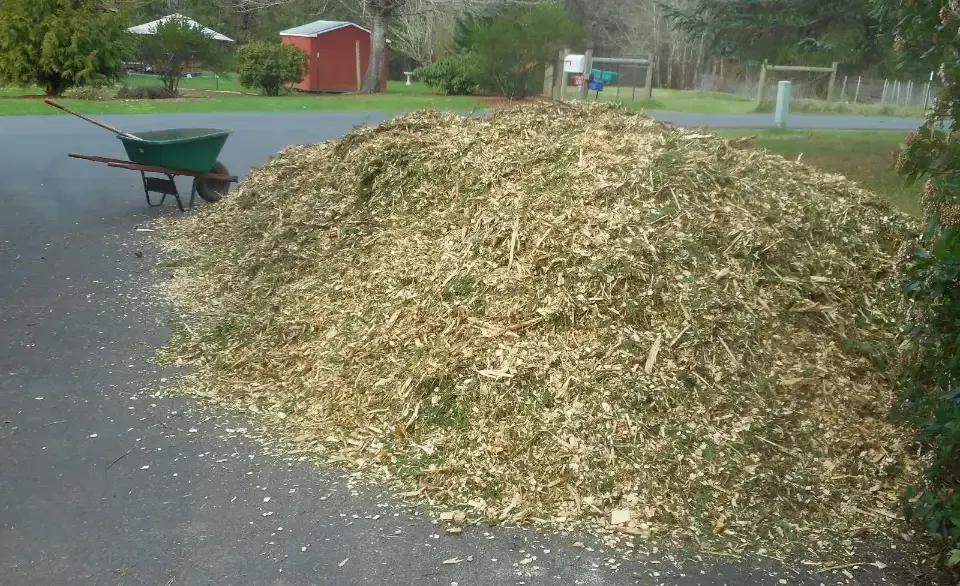
Many homeowners ask what a "free chip drop" actually looks like. Below is a real delivery from one of our arborist crews after completing tree work in the Seattle area.
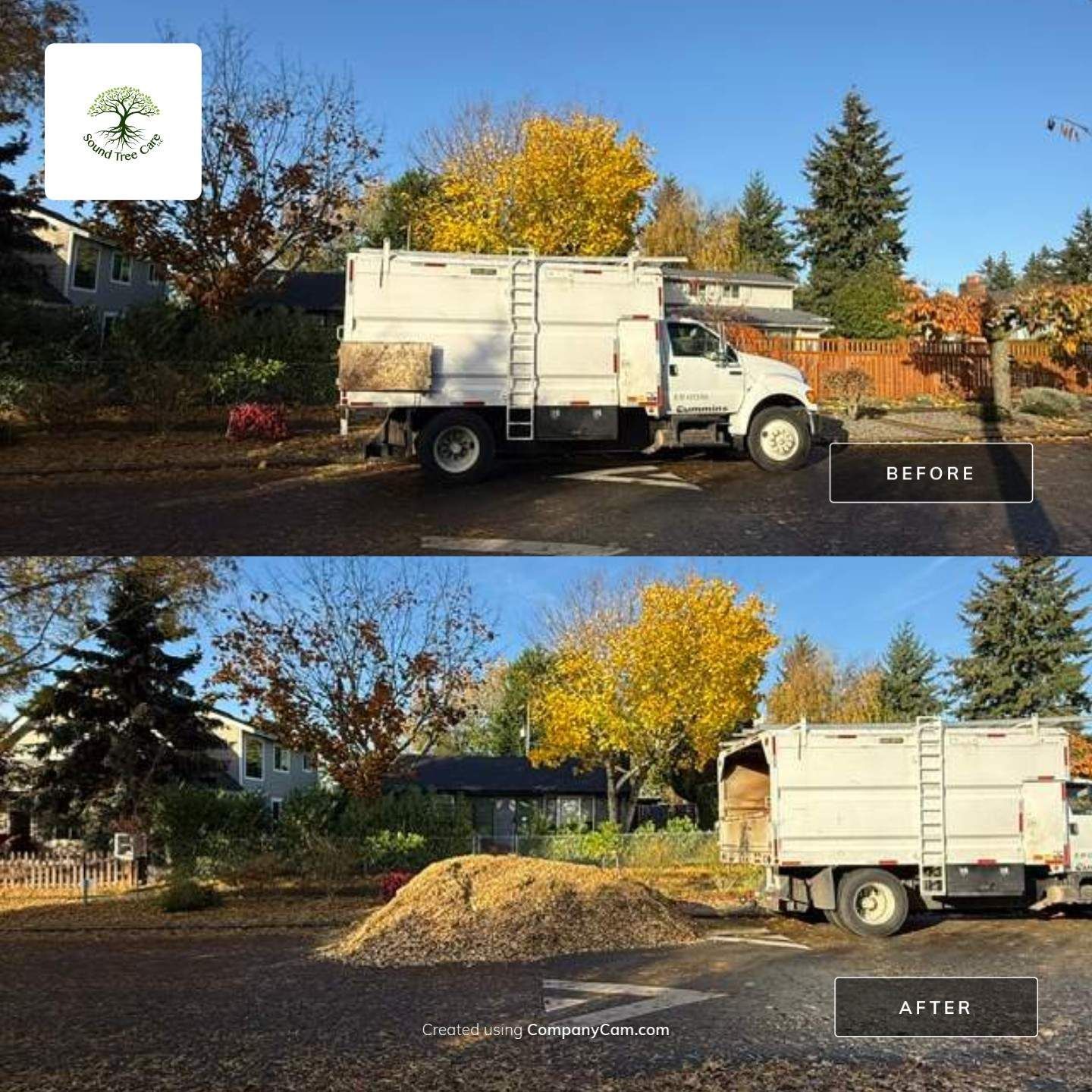
Real Free Arborist Wood Chip Deliveries
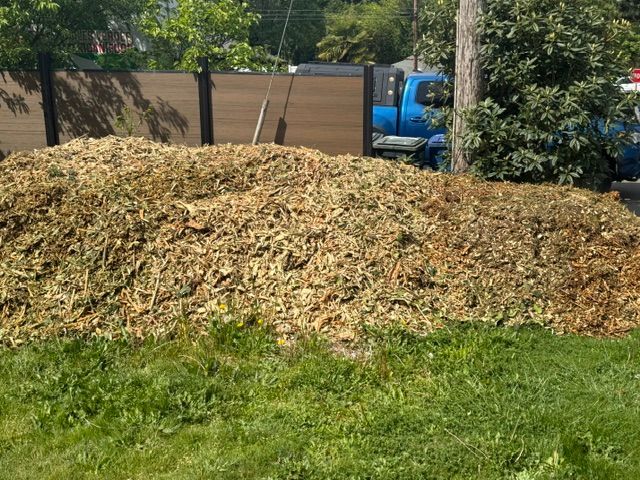
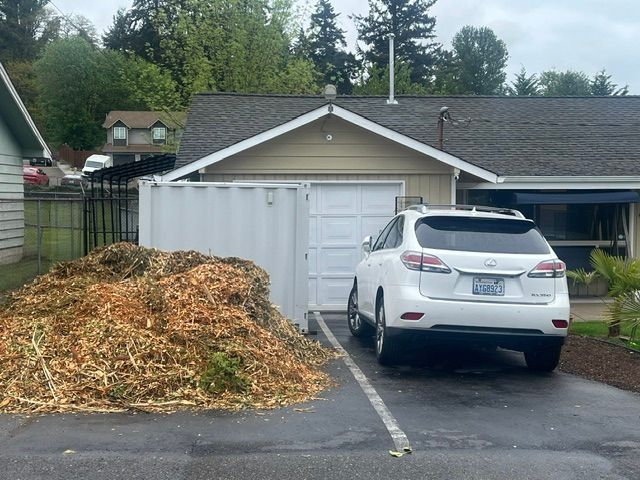
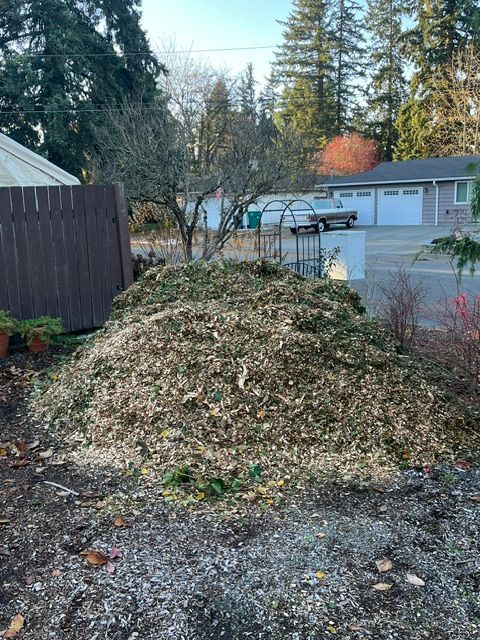
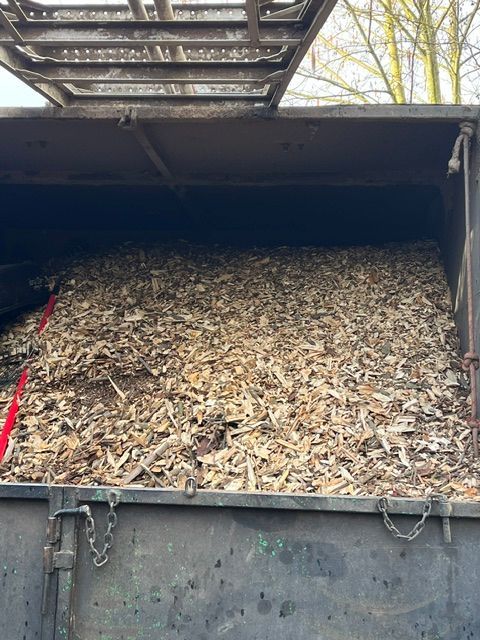
This example shows one typical free wood chip deliveries after unloading. Most chip drops range from approximately 5–20 cubic yards, depending on the truck, the tree work completed that day, and the species being chipped. Because every delivery comes from active arborist work, the size, texture, and wood species will vary.
Free Wood Chip Delivery Areas Across the Puget Sound
Sound Tree Care regularly delivers free arborist wood chips throughout Seattle, Bellevue, Renton, Kent, Federal Way, Auburn, Burien, SeaTac, Tukwila, Des Moines, Newcastle, Mercer Island, Kirkland, Redmond, Tacoma, Puyallup, and surrounding communities. Because chip deliveries depend on active tree work, availability varies by location, season, and workload.
Why Free Wood Chips Are Popular in the Puget Sound Region
Free wood chips are especially useful throughout the Puget Sound because of our rainy winters, sloped properties, and dense urban landscapes. Homeowners commonly use arborist chips for erosion control on hillsides, weed suppression in gardens, pathways, moisture retention during dry summers, and native landscape restoration projects. Wood chips are particularly effective on steep slopes where heavy rainfall can cause soil movement and runoff.
🌿 How to Prepare Your Garden or Landscape for Wood Chip Mulching
Applying wood chip mulch can improve soil health, moisture retention, and weed suppression. Use these steps to prepare your landscape before spreading fresh arborist wood chips.
🌱 Step 1 — Remove Existing Weeds
Clear weeds and unwanted vegetation before applying mulch. This helps prevent regrowth through the wood chips and reduces competition for water and nutrients.
🪴 Step 2 — Prepare the Soil
- Loosen compacted soil.
- Remove rocks and debris.
- Add compost if desired.
📦 Step 3 — Weed Barrier Optional
Cardboard can help suppress weeds and gradually break down into the soil. Avoid plastic sheeting, which can trap moisture and limit air movement.
🌳 Step 4 — Apply the Wood Chips
- Apply a 2–4 inch layer.
- Keep chips 2–3 inches away from trunks.
- Avoid volcano mulching around trees.
♻️ Step 5 — Maintain and Refresh the Mulch
Check mulch depth annually, break up compacted areas if needed, and allow chips to decompose naturally. Over time, arborist wood chips enrich the soil and improve long-term plant health.
🌿 Fresh vs. 🍂 Aged Wood Chips: Which Is Better?
Fresh and aged wood chips behave differently once applied to soil or landscapes. Choosing the right type depends on where you plan to use them.
🌿 Fresh Arborist Chips
- Higher nutrient content.
- Excellent around trees and shrubs.
- Encourages fungal and microbial activity.
- Breaks down more quickly.
- Ideal for building soil health.
🍂 Aged Wood Chips
- More stable and partially decomposed.
- Popular for pathways and garden beds.
- Less likely to temporarily tie up nitrogen.
- Lasts longer before replenishment.
- Often preferred for decorative uses.
Which should you choose?
For most Seattle-area homeowners, fresh arborist wood chips are best around trees, shrubs, and native plantings because they mimic natural forest conditions and improve soil health over time. Aged wood chips are often preferred for vegetable gardens, pathways, and areas where a more finished appearance is desired.
Looking for free mulch near me in Seattle?
You’re in luck! We’re offering up to 10 yd³ of premium wood-chip mulch, absolutely free, to homeowners across King County.
Our
tree removal services include free wood chip haul-away and delivery —
get a tree removed and keep the mulch »
How it works:
- Reserve your free mulch: Click the “Reserve Free Mulch” button below.
- Choose your drop date: Early-week slots (Mon–Wed) fill fastest—book ASAP!
- Get mulching: We’ll deliver a full truckload (10 yd³) right to your Seattle driveway or backyard.
Want to get the most benefit from your free mulch? Read our
Winter Tree Care Guide to learn how proper mulching helps protect tree roots, retain moisture, improve soil health, and prepare trees for winter weather.
Need Wood Chips Sooner?
Our free chip deliveries depend on where our crews are working, so timing can vary. If you have a project with a deadline, ask about our priority wood chip delivery service. For a modest delivery fee, we can often schedule a delivery much sooner and provide a more predictable timeframe.
❓ Free Wood Chips FAQ: Everything You Need to Know

Wondering whether free wood chips attract termites, are safe for vegetable gardens, help with erosion control, or work as mulch around trees? Below are expert answers to the most common questions about arborist wood chips, chip drop deliveries, free mulch, and landscaping applications throughout Seattle, Renton, and the greater Puget Sound region.
❓ Will free wood chips attract pests, termites or rodents?
It’s a common concern — especially for homeowners — but the good news is: wood chips are unlikely to attract pests, termites or rodentswhen used properly.
🐜 Termites prefer solid, moist wood — like logs, tree stumps, or untreated lumber in direct contact with soil. Wood chips, on the other hand, are small, dry, and decompose faster, making them a less ideal habitat for termites.
However, to be cautious, here are a few best practices when using wood chip mulch:
- Keep mulch at least 6 inches away from your home’s foundation. This prevents moisture buildup and eliminates direct contact that could invite pests.
- Avoid deep mulch layers (more than 3–4 inches). Over-mulching traps moisture and creates an environment some insects may enjoy.
- Use aged or composted mulch when possible. Fresh mulch can be more attractive to insects due to higher sugar and moisture content.
- Ensure good drainage around your home and landscaping beds to prevent wood chips from staying wet for long periods.
🧠 Pro Tip: Termites are a bigger risk with improper grading, wood-to-soil contact with structures, or untreated wood debris — not wood chips used responsibly in landscaping.
By following basic guidelines, you can safely use wood chips to beautify your yard without increasing the risk of termites.
🐭 Will free wood chips attract rodents?
The short answer is no — arborist wood chips do not attract rodents like mice or rats. Rodents are drawn to food sources, shelter, and warmth, not loose piles of fresh wood chips.
Here’s why wood chips don’t appeal to rodents:
- Fresh chips are loose, airy, and unstable, making them a poor nesting material.
- Wood chips contain no food value for rodents.
- Chips dry quickly and don’t provide the warm, insulated cavities rodents prefer.
However, rodents can show up if the mulch is improperly piled or if other conditions exist in the landscape. To prevent that, follow these best practices:
👍 Best practices to avoid rodent issues
- Keep mulch 2–3 inches deep, not 6–12 inches. Deep mulch can create warm pockets rodents may explore.
- Avoid piling mulch directly against your home’s siding or foundation. Maintain a 6-inch buffer.
- Don’t use wood chips to bury garbage, pet food, compost scraps, or other materials that may attract animals.
- If you store wood chips long-term, keep the pile away from structures and avoid covering it with tarps (which trap warmth).
🐭 Pro Tip:
Rodents are far more attracted to bird feeders, pet food, ivy, dense groundcovers, compost bins, and clutter than to wood chip mulch. Reduce these attractants, and your mulch won’t be a problem.
🪳 Will free wood chips attract pests?
Wood chips do not inherently attract pests such as ants, beetles, or spiders. What they do create is a moisture-regulated environment, which is great for soil biology — but only becomes an insect concern when mulch is used incorrectly.
🐜 Common concerns & the reality:
- Ants: Mulch doesn’t attract ants, but ants may occasionally explore mulch beds, especially if the soil is already dry or compacted.
- Beetles: Arboreal beetles are not drawn to chipped wood — they require intact logs, stumps, or decaying timber.
- Spiders: Spiders won’t be attracted by mulch, but they’ll show up anywhere insects already exist.
🌿 Best practices to prevent pest issues:
- Apply mulch in 2–4 inch layers so it dries between rains.
- Keep chips away from wooden siding to reduce moisture near structures.
- Maintain proper drainage so chips don’t stay soggy.
- Avoid “volcano mulching” around trees — this traps moisture and may attract insects.
🪳 Pro Tip:
Most “pest” issues come from moisture problems, dead wood, or structural gaps, not from mulched garden beds. When used correctly, arborist chips actually reduce pest pressure by improving soil health.
❓ Are wood chips safe for vegetable gardens? 🍅
✅ Yes — wood chips can be a great addition to vegetable gardens when used the right way! They help retain moisture, suppress weeds, and improve soil structure over time.
For the best results:
Use aged or composted wood chips — Fresh chips can temporarily tie up nitrogen in the soil as they break down, which may affect young vegetable plants.
Apply wood chips around (not directly on) plants — Keep a few inches of space around stems to avoid rot or mold.
Use chips as a mulch layer — Spread them over paths, between rows, or on top of composted beds to retain moisture and reduce weeds.
🌿 Bonus Tip: Over time, wood chips break down and add organic matter to your garden soil, boosting microbial activity and soil health.
🛑 Avoid chips from black walnut or treated lumber — these may contain compounds harmful to vegetable plants.
When applied correctly, wood chips are a safe, sustainable, and affordable mulch option for your food garden!
❓ Can I request specific types of wood chips? 🌲
❓ Can I Request Specific Types of Wood Chips? 🌲
✅ You can request specific types of wood chips — but availability isn't always guaranteed.
Most free wood chips come from local tree trimming and removal jobs, which means they’re typically a mix of tree species (like maple, fir, cedar, or alder). While some people prefer chips from certain trees — such as aromatic cedar for pest control or hardwoods for garden paths — fulfilling these requests depends on what jobs we’re working on at the time.
Here’s what to know:
You’re welcome to request preferences (e.g., no pine, mostly hardwoods), and we’ll do our best to accommodate.
We can’t always guarantee specific species, since arborist chips are produced as-needed from local work.
Mixed wood chips are still excellent for landscaping, gardening, and mulching — they break down well and provide great soil benefits.
🌿 Pro Tip: If you need a specific type of mulch for aesthetic or horticultural reasons, ask us about our premium mulch delivery options.
🚚How much wood chips are in a chip truck load?
You can reserve up to a full truckload of free wood chips—10 cubic yards—in a single drop! That’s roughly ten pickup‐truck loads worth, so you’ll have plenty to mulch garden beds, pathways, playgrounds… whatever you need. 🚚🌲
First-come, first-served: Each drop is filled based on available stock, so book early in the week to lock in your slot.
Need even more? Simply schedule a second free drop once you’ve used up the first pile (subject to availability).
Prefer guaranteed timing or extra volume? Upgrade to Premium Delivery for larger orders and exact drop-times.
❓Can I use fresh arborist chips around trees?
Yes. Fresh arborist wood chips are one of the best mulch materials available for most established trees and shrubs. Unlike decorative bark products, arborist chips contain a natural mixture of wood, bark, leaves, and small twigs that closely resembles the organic material found on a forest floor.
When applied correctly, arborist wood chips help retain soil moisture, moderate soil temperatures, suppress weeds, reduce soil compaction, and gradually improve soil health as they decompose. Many ISA Certified Arborists recommend arborist chips as a sustainable mulch option for residential landscapes, native plantings, and tree preservation projects.
For best results, apply wood chips in a layer approximately 2 to 4 inches deep and keep the mulch several inches away from the trunk or root flare. Avoid creating "mulch volcanoes," which can trap moisture against the trunk and contribute to decay issues.
Fresh arborist chips are generally safe around established trees immediately after delivery. If you're mulching newly planted trees, young saplings, or sensitive garden beds, you may also want to review our guide to proper tree mulching techniques and young tree care.
🌱Unlocking the Benefits: Everything You Need to Know about Free Wood Chips
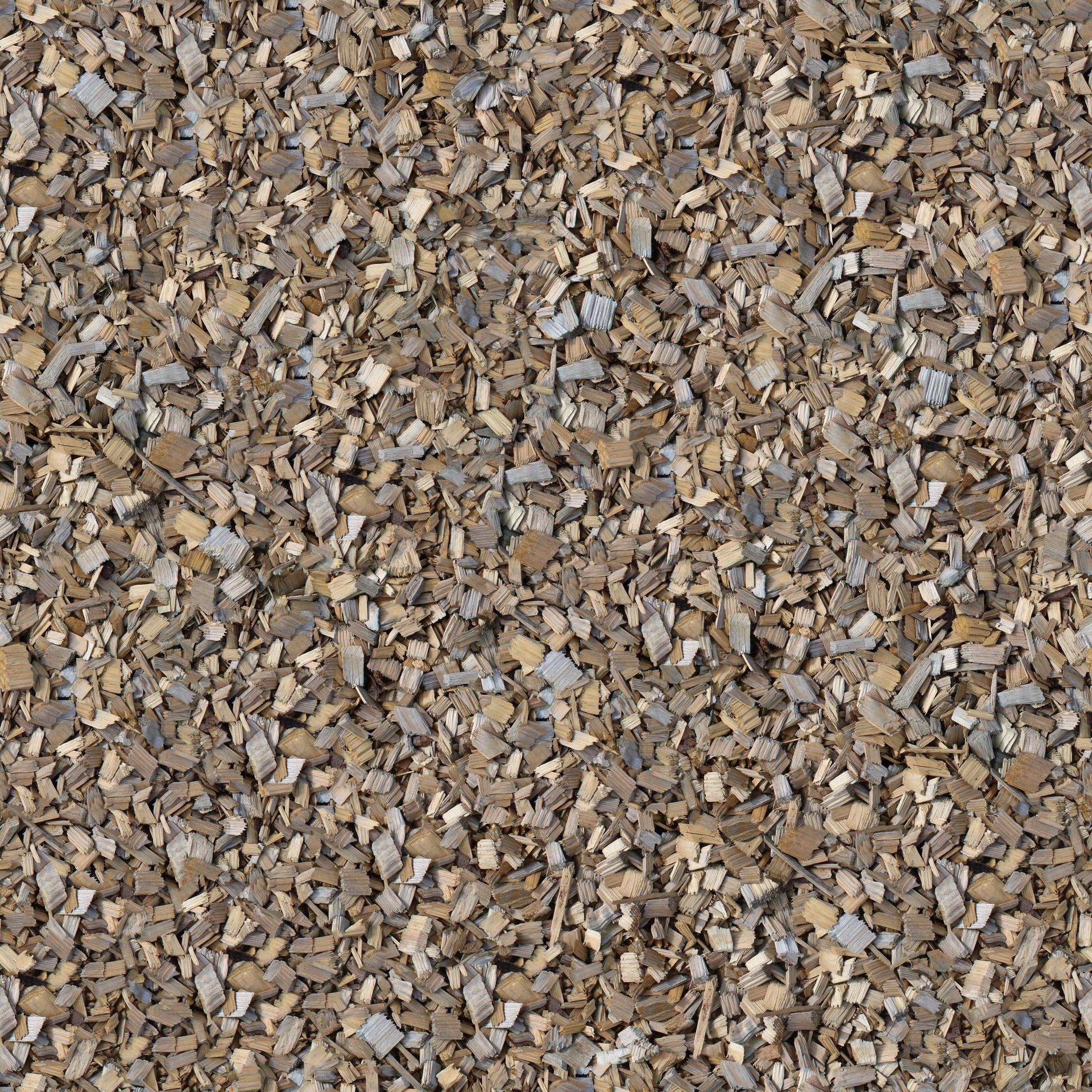
Organic gardening enthusiasts and sustainable landscapers rejoice! In this informative article, we will explore the myriad benefits of free wood chips and how they can unlock the full potential of your garden or outdoor space. Produced as a byproduct of tree removal or pruning, free wood chips are a valuable resource that can significantly improve your soil quality and plant health.
Harnessing the power of natural decomposition, wood chips slowly release essential nutrients into the soil, promoting healthy root development and moisture retention. Additionally, these chips act as a protective mulch layer, suppressing weeds and reducing the need for excessive watering or the use of synthetic fertilizers.
Not only do free wood chips offer remarkable savings on landscaping materials, but they also contribute to a more sustainable and eco-friendly garden. By utilizing this readily available resource, you can reduce waste and even prevent wood chips from ending up in landfills.
So, whether you're a seasoned gardener or just starting your green journey, join us as we unravel the benefits of free wood chips and unlock the secrets to cultivating a flourishing and sustainable garden.
🔍Where can I find free wood chips for gardening and landscaping
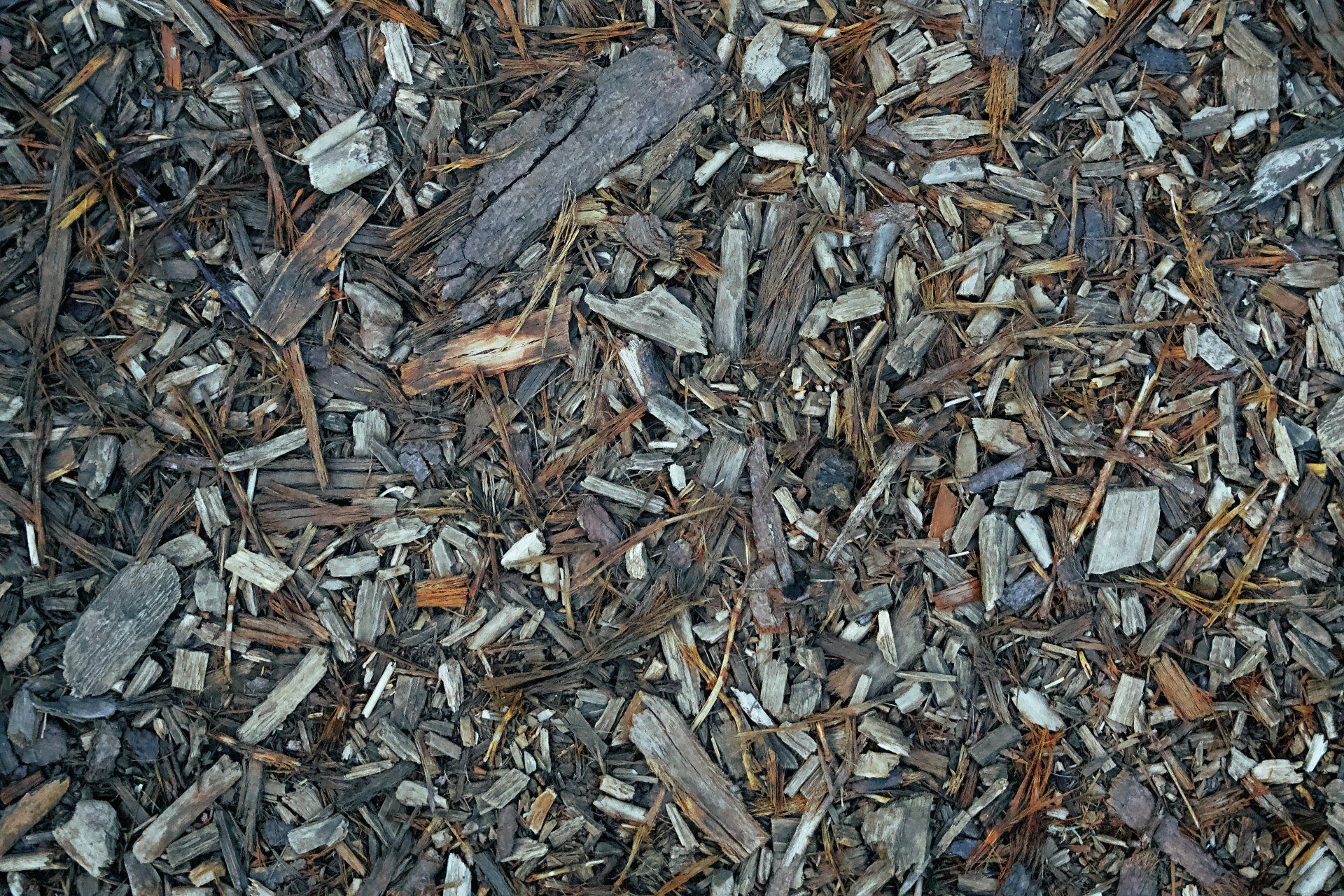
Wood chips can be obtained for free from various sources, making them easily accessible for both gardening and landscaping purposes. Tree removal companies, municipal organizations, and arborists are often the best places to start your search.
Tree removal companies regularly generate large quantities of wood chips as a byproduct of their work. By contacting local tree removal services, you can inquire about the availability of free wood chips. Many companies are happy to provide them as it saves them the cost of disposing of the chips.
Municipal organizations and arborists are also excellent sources for free wood chips. Municipalities often have tree maintenance programs that involve pruning or removing trees, resulting in the production of wood chips. Contacting your local government or arborist associations can help you find out where and when these wood chips are available.
It's important to note that the availability of free wood chips may vary depending on your location and the time of year. Therefore, it's advisable to inquire in advance, especially during peak gardening or landscaping seasons.
♻️What are the benefits of wood chips for my garden?
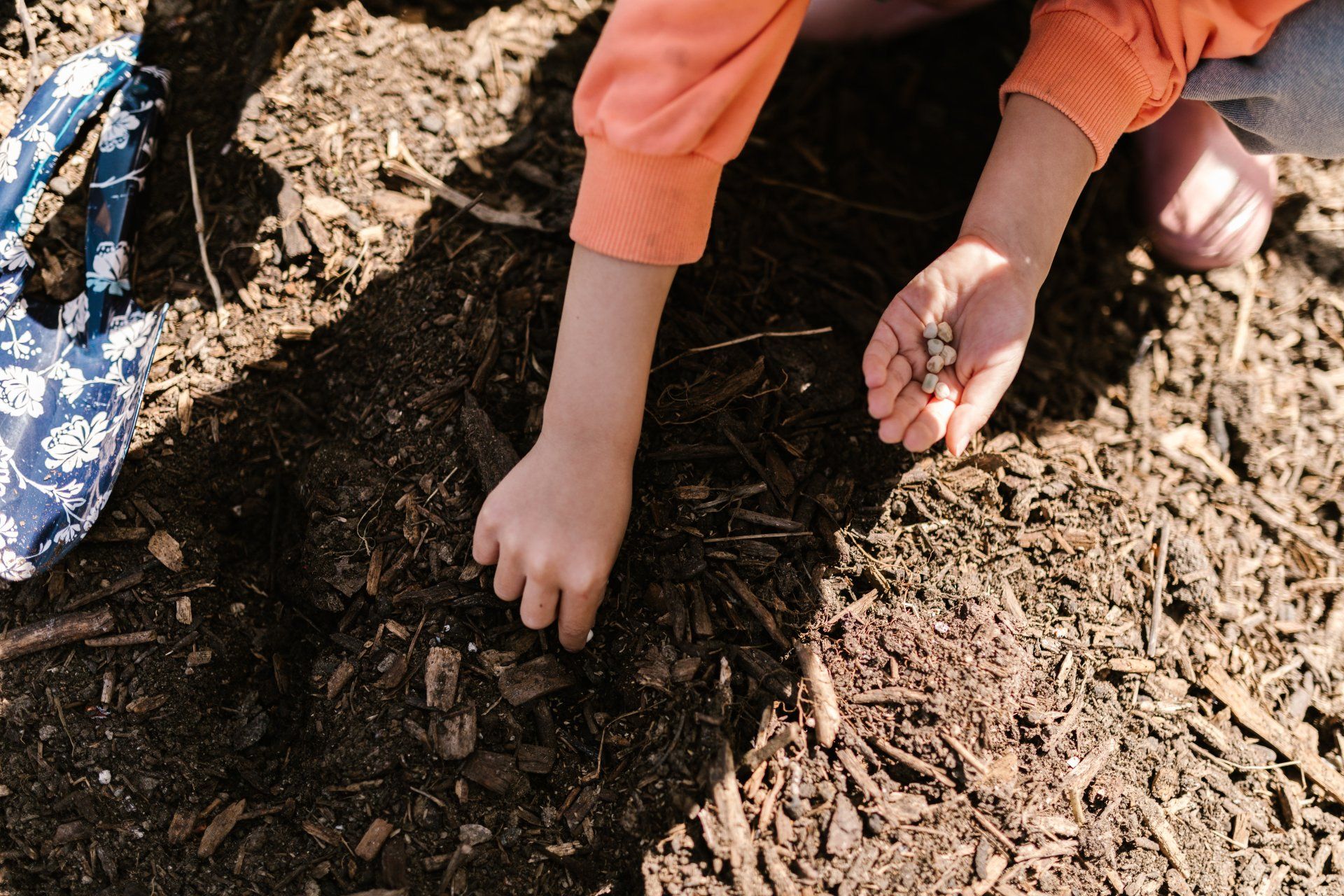
Free wood chips offer numerous benefits that can significantly enhance the health and productivity of your garden or outdoor space. These benefits include:
Improved Soil Quality: Wood chips undergo a natural decomposition process that adds organic matter to the soil. As they break down, they release essential nutrients such as nitrogen, phosphorus, and potassium, enriching the soil and creating a fertile environment for plant growth.
Moisture Retention: Wood chips act as a moisture barrier, reducing evaporation and helping the soil retain water. This is particularly beneficial in dry climates or during periods of drought, as it reduces the need for frequent watering.
Weed Suppression: The layer of wood chips acts as a natural mulch, effectively suppressing the growth of weeds. By blocking sunlight and preventing weed seeds from germinating, wood chips can significantly reduce the time and effort spent on weed control.
Temperature Regulation: Wood chips serve as insulation for the soil, helping to regulate soil temperature. They act as a buffer against extreme heat or cold, creating a more stable environment for plant roots.
Erosion Prevention: The use of wood chips on slopes or areas prone to erosion can help prevent soil loss. The chips form a protective layer that reduces the impact of rainwater and prevents the soil from being washed away.
By taking advantage of these benefits, you can create a healthier and more sustainable garden or landscape.
Mulch helps conserve moisture and suppress weeds — and it works even better when paired with proper tree pruning and canopy thinning »
Different uses for free wood chips
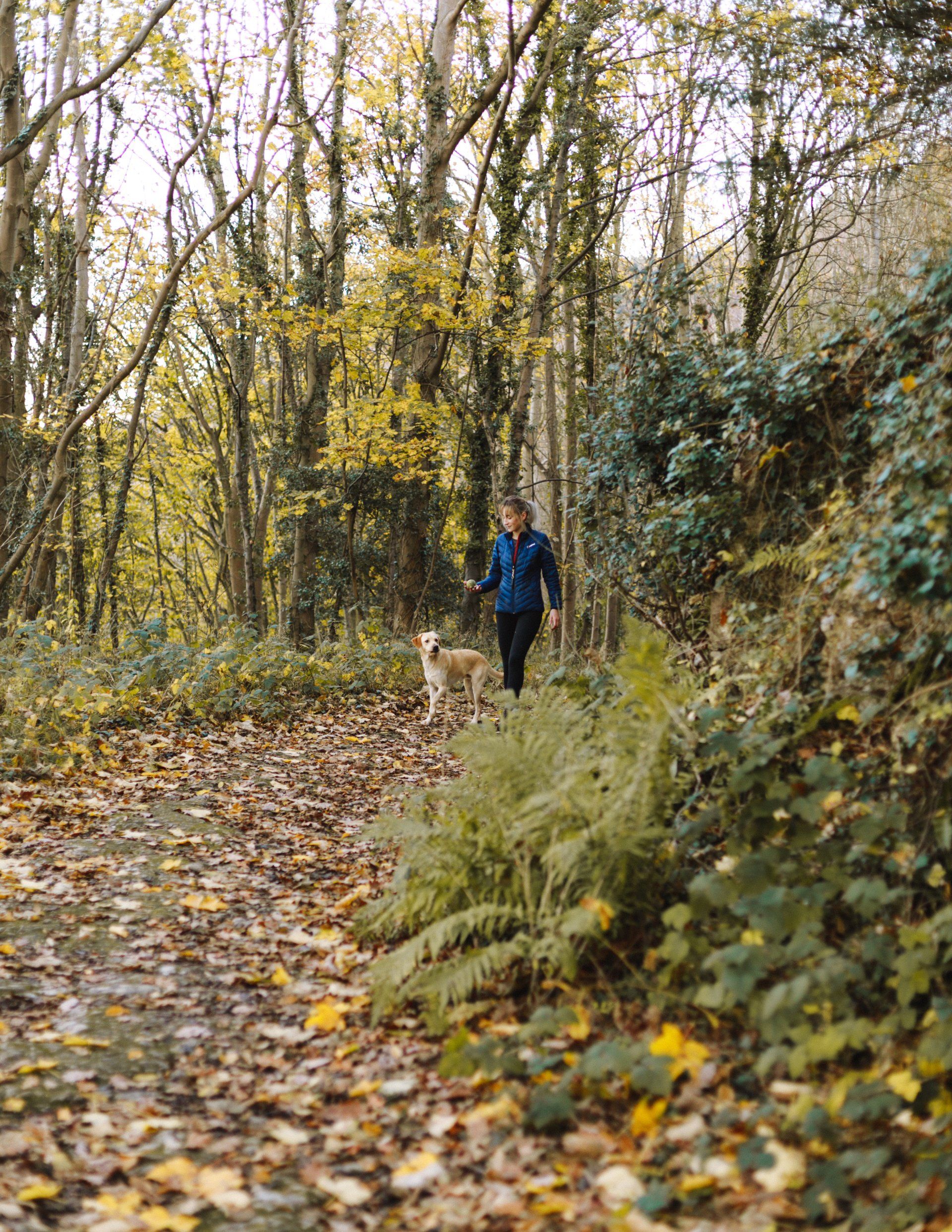
Free wood chips have a wide range of uses in gardening and landscaping. Let's explore some of the common applications:
Mulching: Wood chips make excellent mulch for gardens, flower beds, and around trees and shrubs. Spread a layer of wood chips around your plants to suppress weeds, retain moisture, and regulate soil temperature.
Composting: Wood chips can be added to compost piles to increase carbon content and improve aeration. They help balance the nitrogen-rich green materials and provide structure to the compost pile.
Pathways: Wood chips can be used to create natural and rustic pathways in your garden or landscape. They provide a softer surface compared to gravel or concrete, making them ideal for walking or jogging.
Playgrounds: Wood chips are commonly used as a safety surface in playgrounds. Their cushioning effect helps prevent injuries from falls and provides a natural and aesthetically pleasing play area.
Erosion Control: Wood chips can be used on slopes or areas prone to erosion to stabilize the soil. The chips create a barrier that slows down water flow and reduces soil erosion.
These are just a few examples of how free wood chips can be utilized in various aspects of gardening and landscaping. The versatility of wood chips makes them a valuable resource for both practical and aesthetic purposes.
How to Request Free Wood Chips in Seattle & the Puget Sound Region
 Wood Chip Delivery
Obtaining free arborist wood chips for your garden, landscape, or erosion control project is often easier than many homeowners realize. Throughout Seattle, Renton, Bellevue, Kent, Auburn, Federal Way, Tacoma, and surrounding Puget Sound communities, local tree service companies regularly generate wood chips from tree removals, pruning, and land clearing projects.
1. Find Local Arborist Wood Chip Sources
Start by contacting local tree service companies, arborists, municipalities, or programs such as ChipDrop. Many tree care companies prefer to deliver wood chips locally rather than transport them to disposal facilities.
2. Request a Delivery Location
Provide a clear drop location with adequate access for a chip truck. Driveways, side yards, vacant lots, and landscape staging areas are often suitable locations. Be sure to communicate any access limitations, overhead obstructions, gates, or utility concerns before scheduling delivery.
3. Be Flexible on Timing & Volume
Free wood chip deliveries are typically based on where crews are working. Homeowners who can accept larger loads and flexible delivery schedules are more likely to receive chips quickly.
4. Prepare the Area Before Delivery
Before chips arrive, clear the placement area of vehicles, debris, and obstacles. Fresh arborist chips are commonly delivered in large quantities and may occupy a significant amount of space.
5. Use Wood Chips Throughout Your Landscape
Arborist chips can be used for mulch around trees and shrubs, garden pathways, erosion control on slopes, weed suppression, soil improvement, and native landscaping projects. For most applications, a depth of 2–4 inches provides excellent results.
6. Consider Ongoing Deliveries
Many homeowners, HOAs, gardeners, and property managers throughout the Puget Sound region request recurring deliveries to support large landscapes, native restoration projects, and long-term mulch programs.
👉 Looking for free wood chips in Seattle, Renton, Bellevue, Kent, Tacoma, or nearby communities? Contact Sound Tree Care LLC to check current delivery availability in your area.
Choosing the Right Type of Wood Chips for Your Needs

When it comes to choosing the right type of wood chips for your needs, it's essential to consider the source of the wood, as well as the specific qualities you're looking for. Different tree species have distinct characteristics that can impact their suitability for various gardening purposes.
Hardwood chips, derived from trees such as oak or maple, are known for their slow decomposition rate and ability to retain moisture. These chips are ideal for long-term mulching and can provide a steady release of nutrients over an extended period. On the other hand, softwood chips, like those obtained from pine or cedar trees, decompose more quickly and can be beneficial for areas that require frequent soil amendments.
When sourcing free wood chips, it's crucial to inquire about the tree species involved. This information will help you determine the most suitable chips for your specific gardening needs. Additionally, it's advisable to avoid chips sourced from diseased or insect-infested trees, as they can introduce unwanted pests or pathogens into your garden.
To ensure the quality of the wood chips, ask the supplier about their production process. Chips that have been properly aged and composted will have a more uniform texture and be less likely to rob your plants of nitrogen during decomposition. A reputable supplier should be able to provide you with information on how long the chips have been composted, ensuring that they are safe and beneficial for your garden.
Are Wood Chips Suitable for Creating Pathways
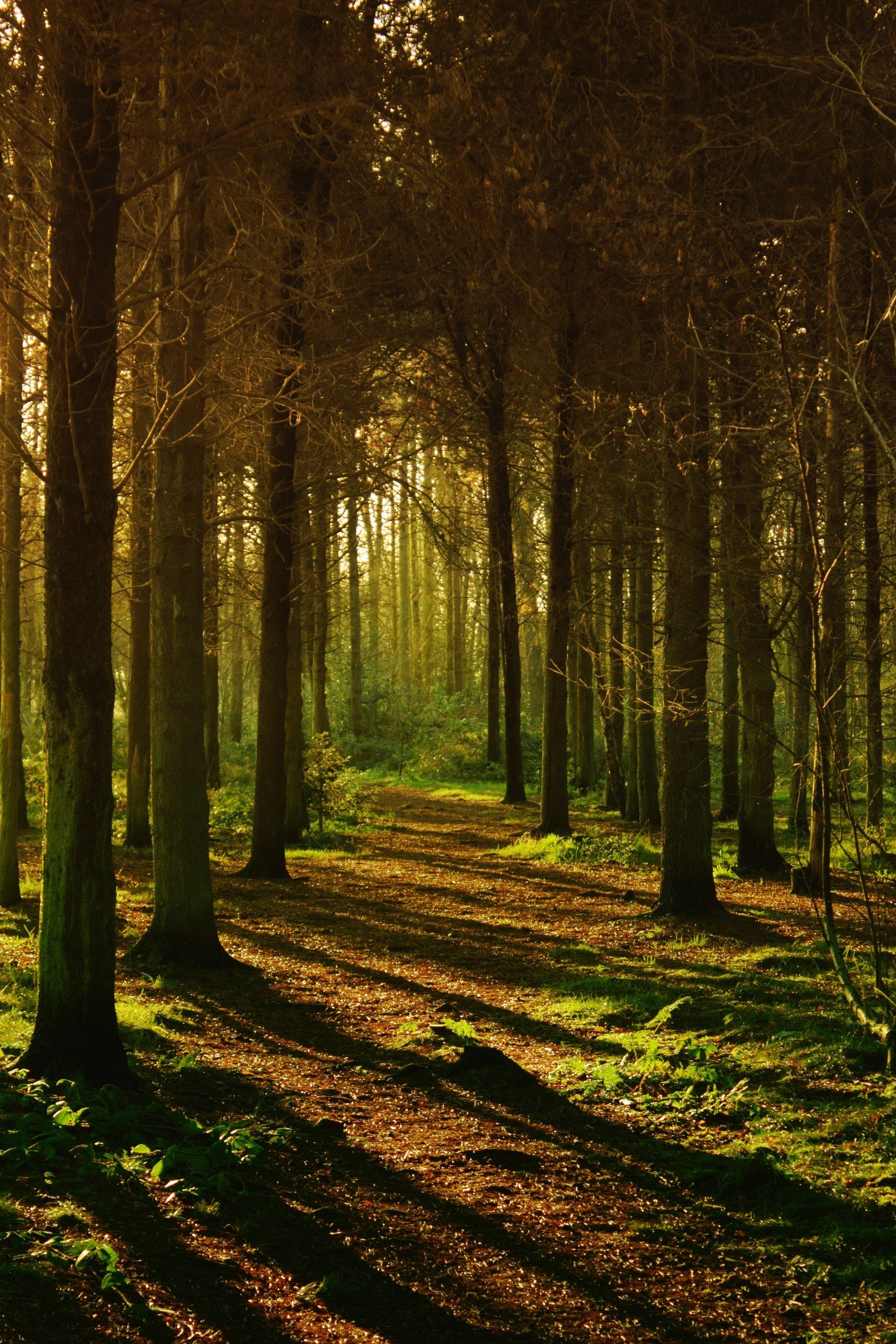
Yes, wood chips can be an excellent choice for creating pathways in your garden or outdoor space. Not only do they provide a natural and rustic appearance, but they also offer several practical advantages over traditional paved paths.
Wood chips act as a natural cushioning material, making them more forgiving to walk on than hard surfaces like concrete or stone. This can be particularly beneficial for individuals with joint or mobility issues, as the chips provide a softer surface that reduces impact and minimizes the risk of injury.
Furthermore, wood chips can help with water drainage, preventing the formation of puddles or slippery surfaces during rainy periods. The porous nature of the chips allows rainwater to penetrate the soil, reducing runoff and promoting healthy root growth.
When creating pathways with wood chips, it's important to prepare the area properly. Start by removing any existing grass or weeds and leveling the ground. Lay down a weed barrier fabric to prevent weed growth, then spread a layer of wood chips over the fabric. Aim for a thickness of around 2-3 inches to ensure adequate coverage and stability. Regularly replenish the chips as needed to maintain the desired appearance and functionality of the pathway.
It's worth noting that wood chips may require occasional maintenance to keep them in optimal condition. Over time, they may break down or become compacted, leading to uneven surfaces. Simply adding fresh chips and raking them to distribute them evenly can help restore the pathway's appearance and functionality.
Related Tree Services & Resources
Our free firewood and tree log program is part of our broader approach to responsible material handling from active tree removal projects in Seattle. When usable logs are available, we prioritize nearby drop-off locations to reduce waste, fuel use, and unnecessary hauling.
If firewood or large logs aren’t the right fit, many homeowners and landscapers prefer free wood chips in Seattle for mulching, erosion control, garden beds, and soil improvement. Like firewood, wood chip availability depends on job location and timing.
If you’re looking for professional help instead of material pickup, learn more about our ISA Certified Arborist services, including safe tree removals, tree pruning, and environmentally responsible cleanup throughout the city.
Need Wood Chipping Instead?
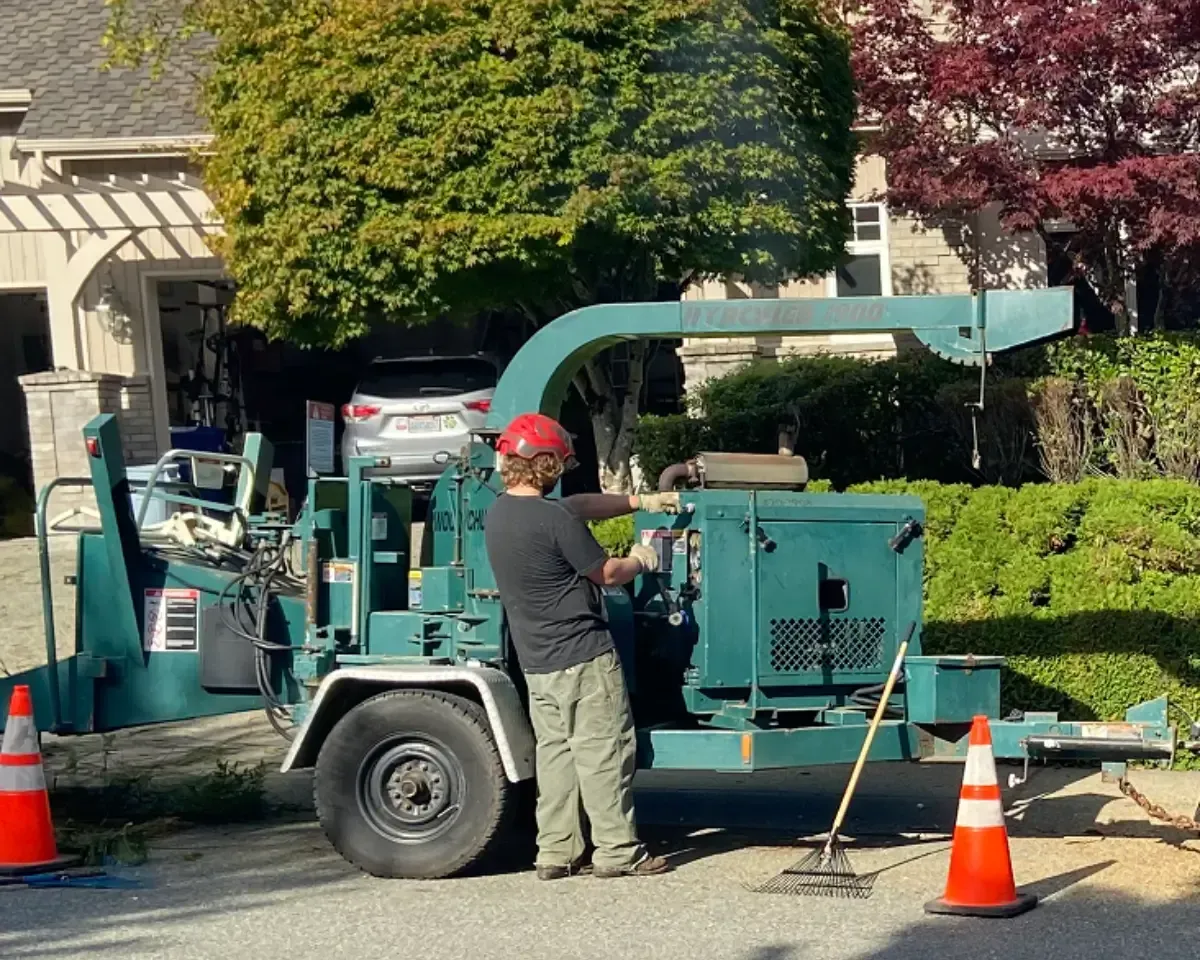
Many homeowners searching for free wood chips near me discover they first need a professional wood chipping service to process branches, brush, storm debris, or tree pruning waste into reusable mulch. If you have piles of brush, pruning debris, storm-damaged branches, or small trees that need processing, a wood chipping service can quickly reduce bulky green waste into reusable mulch.
Professional wood chipping services are commonly used for:
- Storm cleanup and fallen branches
- Brush clearing and vegetation management
- Tree pruning debris
- Land clearing projects
- Property maintenance and fuel reduction
- Creating mulch for landscaping and garden beds
Depending on the project, wood chips can often be left onsite for use as mulch, erosion control, garden pathways, or weed suppression. Many property owners choose this option because it reduces hauling costs while providing a useful landscaping material.
🌲 Need More Than Free Wood Chips?
Our team of ISA Certified Arborists can help with more than mulch. We offer expert tree removals, precise pruning, and storm cleanup throughout Seattle and the surrounding areas — all fully licensed, insured, and trusted by the community.
✅ Fast response times
✅ Affordable, code-compliant tree care
✅ 5x Nextdoor Neighborhood Fave Award Winner
🧰 ISA Certified Arborists, TRAQ-Qualified
⭐ 5-Star Rated on Google, Yelp & Facebook
🛡️ Licensed, Insured & Code-Compliant
🌲 Thousands of completed tree service projects across the Puget Sound region.
📝 Request an Online Quote: Client Hub
📞 Call us now at 206-486-7790 – Click to call!
📍 We proudly serve the Seattle, WA region, including:
Seattle • Bellevue • Renton • Kent • Tacoma • Puyallup • Mercer Island • Shoreline • Newcastle • Burien • Des Moines • Federal Way • Kirkland • Issaquah • Sammamish