Tree Pruning Service

Trees make our world beautiful - but they need regular care to stay healthy and safe. Pruning is essential, not just for the tree's appearance but for its health and safety. Proper pruning helps reduce hazards, encourages growth, and keeps the community green and vibrant.


At Sound Tree Care, we offer professional pruning services for each unique tree and landscape. Our experienced arborists use safe and proven techniques to help you keep your natural surroundings in great shape.


Looking to enhance your landscape? Schedule your professional tree pruning with us today.

Let's Find Out What We Do!

From structural tree pruning and canopy thinning to routine maintenance and long-term tree health planning, Sound Tree Care provides professional tree pruning services backed by proven credentials.

Whether you need pruning to improve tree structure, reduce risk, or maintain clearance around homes and utilities, our ISA Certified Arborists follow ANSI A300 standards and species-specific best practices to guide every cut. We’re proud to be a Comcast RISE 2025 recipient, a Nextdoor Neighborhood Favorite five years running, and a trusted name for safe, code-aware tree pruning throughout the Puget Sound region.

πŸ’‘ Certified Arborists. Trusted by homeowners. Award-winning tree pruning since 2020.
πŸ‘‰ Request an online estimate to get started today.

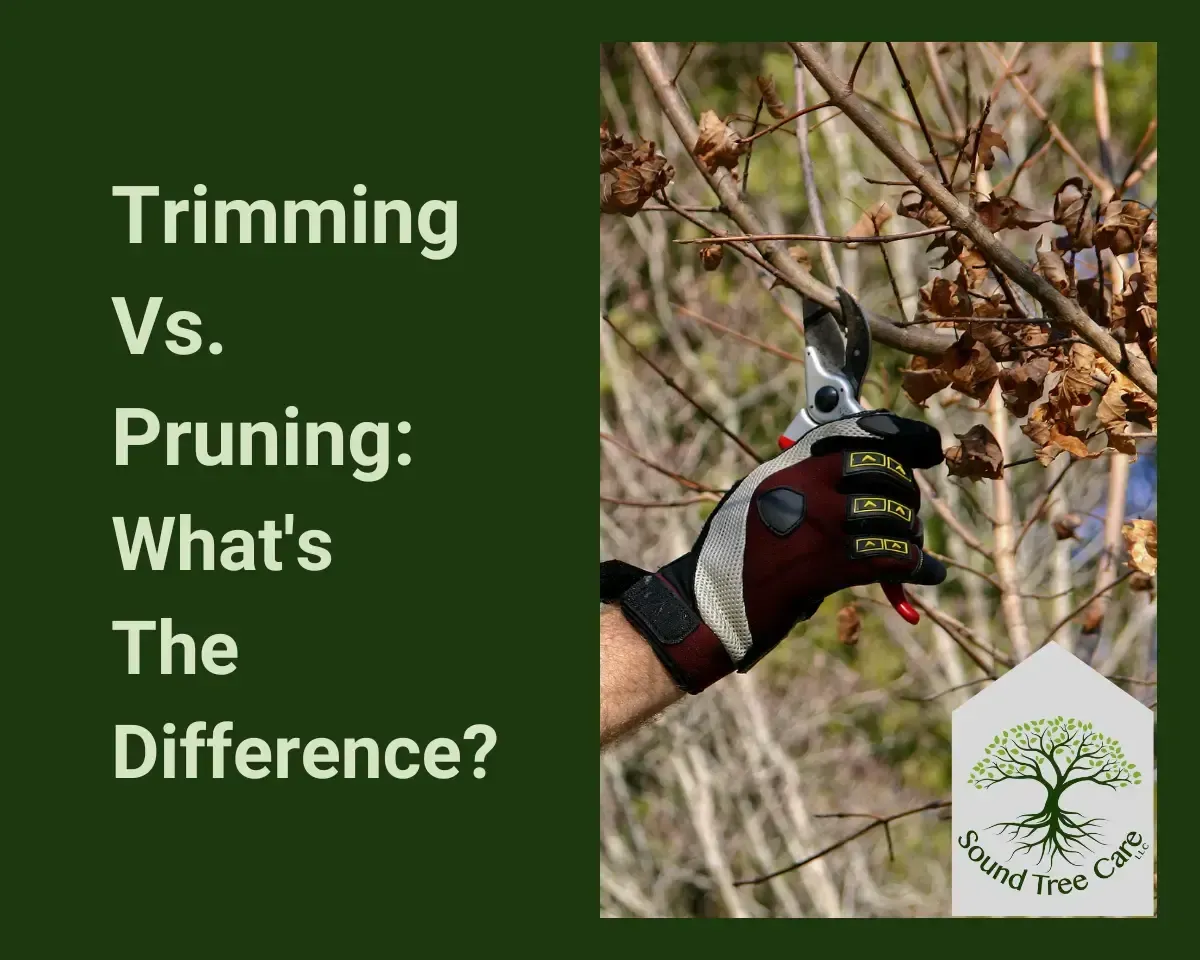
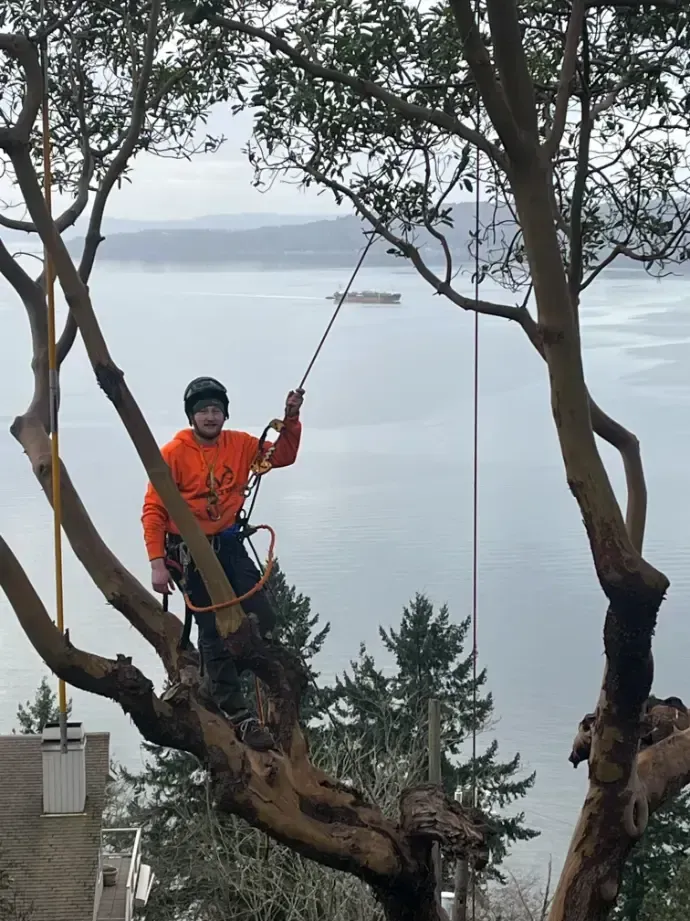
ISA Certified Arborist performing professional tree pruning using ANSI A300 standards

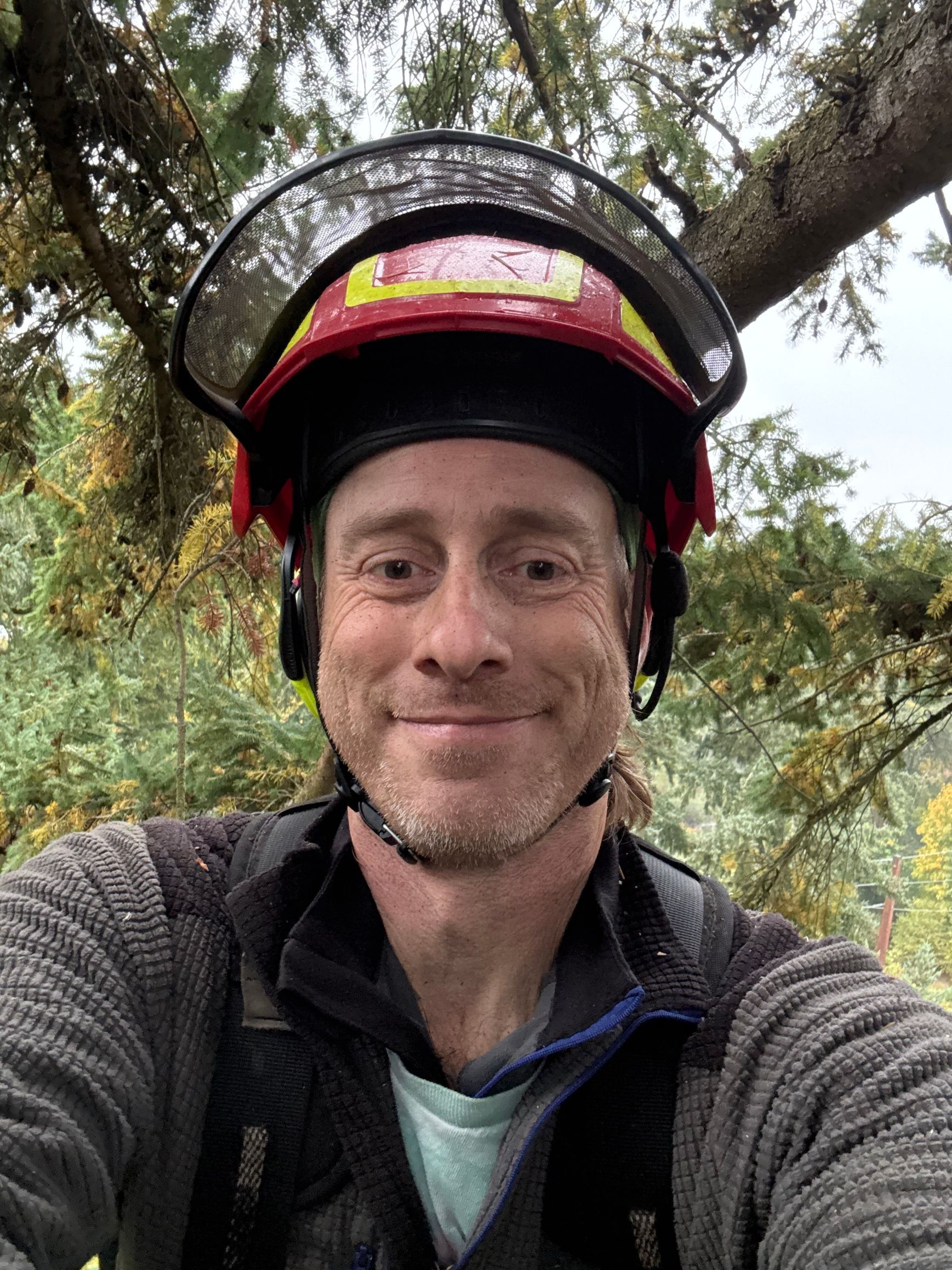
Written by AJ Flanigan, ISA Certified Arborist

AJ Flanigan is an ISA Certified Arborist with hands-on experience performing and supervising professional tree pruning throughout the Puget Sound region. His work focuses on structural pruning, hazard reduction, and long-term tree health, using industry best practices and ANSI A300 standards.

The guidance shared on this page reflects real-world arboricultural decision-making—from evaluating tree structure and site conditions to choosing proper pruning methods that reduce risk and support healthy growth. This content is intended to help homeowners better understand responsible tree pruning and when to consult a certified arborist.

ISA Certified Arborist credential badge

What is Tree Pruning?

Tree pruning involves selectively removing parts of a tree, such as branches, buds, or roots. It's a crucial part of tree maintenance that helps ensure their healthy growth and structural integrity. By removing dead or diseased branches, we not only improve a tree's appearance but also its overall health.


The Importance of Tree Pruning

Regular pruning is essential for the health and longevity of trees. It helps prevent diseases and pests from spreading, reduces the risk of storm damage, and encourages the production of fruits and flowers. Understanding the difference between trimming and pruning can further clarify why each process is vital for different reasons. Discover more about trimming vs. pruning and their distinct benefits.

Understanding the Basics of Tree Pruning

Tree pruning combines art and science to promote healthy growth. Learn more at our tree trimming services page.


Different Types of Tree Pruning

Each pruning method, like thinning the crown for better light and air or lifting the crown to clear space below, has a special purpose. Reducing the crown can keep a tree fitting nicely in its space without growing too large. For those looking to maintain smaller plants, such as shrubs and bushes, alongside their trees, exploring the nuances of trimming and pruning shrubs and bushes can be a great resource.


The Right Time for Tree Pruning

The perfect time to prune is when trees are sleeping in the dormant season, usually from late winter to early spring. This timing helps trees heal faster and get ready for a burst of new growth when the warm weather returns. It's all about giving trees a helping hand at the right moment. For an in-depth look at how pruning affects young trees, especially regarding their structure and form in our Seattle climate, check out our blog on how to prune young trees.


Tools Needed for Tree Pruning

The right tools, from sharp hand pruners for small cuts to chainsaws for big branches, make pruning easier and safer. Each tool has its job, ensuring we can prune trees effectively without harming them, allowing for quick healing and healthy growth.


How to Prune Trees

Proper tree pruning is a balance of tree biology, structural integrity, and site safety. While every tree is different, certified arborists follow proven principles to determine what should be pruned, when to prune, and how to reduce long-term risk while supporting healthy growth. The overview below explains how professional pruning decisions are made for trees of different sizes and conditions.

Preparing for Pruning


Before any pruning begins, we evaluate the tree’s structure, health, species, and surrounding site conditions. This planning stage allows our arborists to identify which branches should be removed—and which should remain—to support long-term stability and growth. A thoughtful pruning plan helps prevent unnecessary stress and reduces the risk of future problems.

Pruning Small Trees


Pruning young and smaller trees focuses on guiding healthy structure early. By selectively removing competing or poorly placed branches, we help trees develop strong form, balanced growth, and long-term resilience. Early structural pruning can reduce the need for corrective work later in the tree’s life.

Pruning Large Trees


Pruning large, mature trees requires advanced techniques, proper equipment, and experienced judgment. Our focus is on removing dead, damaged, or overextended branches while maintaining the tree’s natural structure and load balance. Proper pruning helps reduce failure risk and protects nearby homes, utilities, and people.

Tree Risk Assessment

Guidelines for Safe Pruning


Safety is a critical part of every pruning job. Our crews follow ANSI A300 pruning standards and Z133 safety protocols, using proper equipment and controlled techniques to protect both the tree and everyone on site. Improper pruning—such as topping—can severely damage trees and increase risk over time.

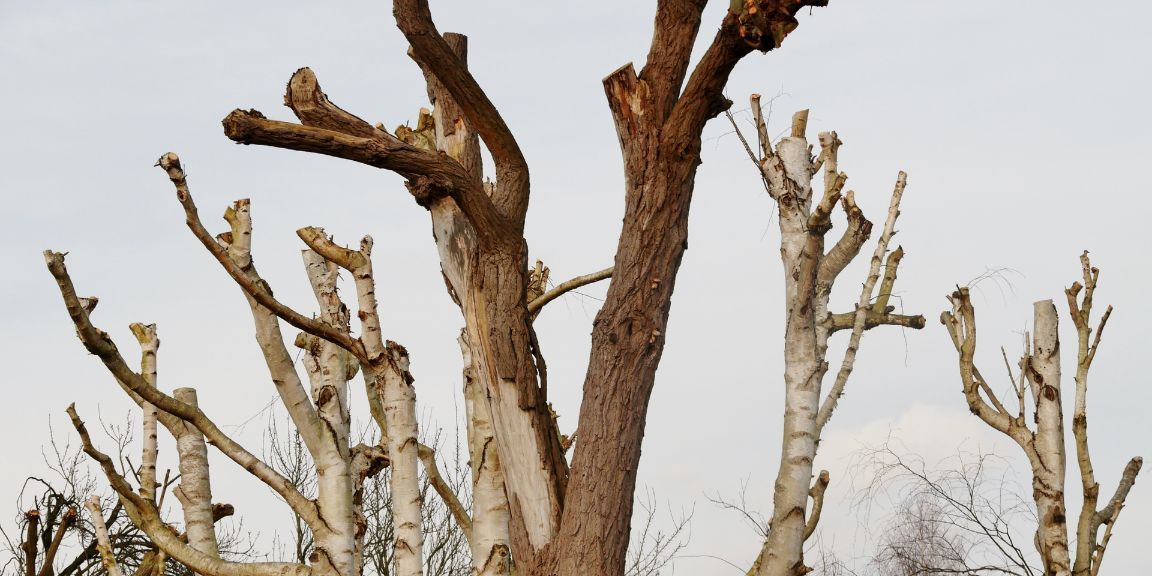
What is tree topping?

Certified Arborist Services →

Tree Pruning Techniques & Styles

Tree pruning is not one-size-fits-all. The right technique depends on the tree species, age, structure, health, and how it interacts with nearby homes, walkways, and utilities. Below are the most common arborist-approved pruning methods we use to improve safety, manage growth, and support long-term tree health—always following ANSI A300 best practices.

Crown Thinning

Imagine giving a tree a lighter, airier hairstyle. Crown thinning involves removing certain branches to let more light and air move through the leaves. This not only keeps the tree looking natural but also helps prevent branches from getting too heavy and breaking.

Pollarding Technique

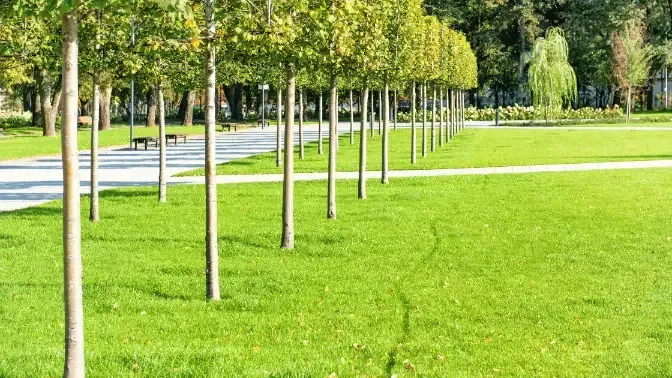
Pollarding is an old-school way of pruning that keeps trees at a manageable size by trimming the top branches. It’s a style that needs starting when the tree is young and continuing with care, creating a lush, full look that’s perfect for certain landscapes.

Crown Lifting

Crown lifting is like raising the tree's skirt, trimming the lower branches to clear up space underneath. This is especially handy in parks or yards, making room for people and views while keeping the tree healthy and looking good.

Evergreen Tree Pruning

Evergreen trees retain foliage year-round, which means pruning decisions directly affect wind resistance, weight distribution, and long-term health. Proper evergreen pruning focuses on selective cuts that preserve structure while reducing stress and failure risk—especially in conifers like fir, cedar, and pine.

πŸ‘‰ Learn more about evergreen tree care and pruning best practices.

Crown Reduction

If a tree has gotten too big for its britches, crown reduction can help it fit back into its space nicely. By trimming the top and sides carefully, we help the tree keep its natural shape and stability, making sure it still looks beautiful in its surroundings.

Deciduous Tree Pruning

Deciduous trees respond differently to pruning because of their seasonal growth cycles. Pruning is often timed to support structure, manage clearance, and encourage healthy regrowth during dormant or active periods. Species-specific techniques help maintain form, reduce hazards, and support long-term vitality.

Talk With a Certified Arborist

Tree Pruning Safety Tips

Safety in pruning is important for both the pruner and the tree, which explains the need for proper precautions.

Personal Protective Equipment (PPE)


When we're pruning trees, dressing for the occasion means more than just looking the part. Wearing the right protective gear, including gloves, and helmets, is non-negotiable. This gear protects us from sharp branches, falling debris, and other hazards, making sure we can focus on the task at hand without worrying about injuries.

Assessing the Area Around the Tree


Before any pruning begins, we take a good look around. It's crucial to check for any obstacles that could get in the way, like power lines, nearby structures, or even people passing by. By understanding the space we're working in, we can plan our pruning to avoid accidents, ensuring a smooth process from start to finish.

Handling Pruning Tools


Pruning tools are designed to make clean cuts that help trees heal quickly, but they can be dangerous if not used correctly. Our team is trained in the proper handling and operation of all pruning equipment, from hand pruners to chainsaws. This expertise allows us to make each cut safely and effectively, benefiting both the tree and our safety.

Common Mistakes While Pruning Trees

Avoiding common pruning mistakes makes sure our trees remain healthy and vibrant.


Over Pruning

Think of pruning like giving a haircut; taking off too much at once isn't a good idea. Removing more than a quarter of a tree’s branches can shock it, weakening its structure. We’re careful to trim just the right amount, keeping the tree strong and stress-free.


Wrong Timing

Timing is key with pruning. Cut at the wrong time, and we risk exposing trees to diseases or slowing down their growth. We keep an eye on the best seasons for pruning, usually when trees are sleeping in their dormant phase, to help them come back stronger and healthier.


Improper use of Tools

Just as a painter needs the right brush, pruning needs the right tools. The wrong ones can damage the tree, leaving messy cuts that can lead to disease. Our team uses sharp, clean tools for neat cuts that heal quickly, helping the tree grow well.

Benefits of Professional Tree Pruning Services

Professional pruning offers more than just beauty - it boosts tree health and landscape safety.


Expert Knowledge and Experience


Our team brings a wealth of knowledge and years of experience to every pruning job. Understanding the unique needs of each tree species, the best times for pruning, and the most effective techniques means we can ensure optimal tree health and growth. This expertise is invaluable for maintaining the vitality and longevity of your trees.


Safety Measures


Pruning trees, especially large ones, can be risky without the proper training and equipment. Our professionals are equipped with the right tools and safety gear, and we adhere to strict safety protocols. This approach minimizes the risk of injury and property damage, giving you peace of mind.


Tree Health and Preservation


Proper pruning is about more than just removing unwanted branches; it's a vital service that supports a tree's health and development. Our precise cuts are made with the tree's future growth in mind, preventing disease, encouraging strong structure, and ensuring that your trees remain a beautiful part of your landscape for years to come.

BOOK YOUR FRUIT TREE PRUNING TODAY

The Environmental Impact of Tree Pruning

Pruning helps the environment by supporting biodiversity and controlling diseases.

Encouraging Biodiversity


Think of each pruned tree as a little world of its own. By cutting away sick or too-close branches, we let light and air touch every part of the tree. This makes the tree healthier, yes, but it also turns it into a perfect home for birds, bugs, and more. A well-pruned tree is like a bustling city for wildlife, bringing all sorts of visitors. It’s amazing how a little trim can lead to such a big boost in nature’s variety right in our own backyards.

Controlling Tree Diseases and Pests


Trees, like people, can get sick, and bugs can be a big problem. But with regular pruning, we can catch these issues early and stop them from spreading. By removing the parts of a tree that are ill or infested, we protect not only that tree but also its tree friends and our gardens. It's a way of keeping the whole area healthier and more beautiful. Plus, it helps us avoid bigger problems down the road. Pruning is like being a tree doctor, making sure every tree can live a long, happy life.

♻️We responsibly chip branches generated during pruning and make them available for reuse as mulch. Learn more about our wood chip delivery service and how arborist chips can improve soil health, retain moisture, and support healthier landscapes.

Tree Pruning FAQs & Expert Answers

Below are answers to some of the most common questions we receive about professional tree pruning. These FAQs are written by ISA Certified Arborists to help homeowners and property managers understand proper pruning techniques, timing, safety considerations, and how pruning supports long-term tree health.


  • 1. What exactly is tree pruning?

    Tree pruning is the selective removal of specific branches to improve a tree’s structure, health, safety, and appearance. Proper pruning promotes strong branch development, reduces failure risk, and helps trees better withstand wind, weather, and disease. When performed correctly, pruning supports long-term tree vitality while preserving a natural form.

  • 2. How often should I have my trees pruned?

    Pruning frequency depends on the tree species, age, condition, and location. Most mature trees benefit from pruning every 3–5 years, while younger trees, fruit trees, or fast-growing species may require more frequent maintenance. An ISA Certified Arborist can assess your trees and recommend a pruning schedule based on their specific needs and surrounding conditions.

  • 3. Is there a best time of year to prune trees?

    In most cases, the ideal time to prune trees is during the dormant season—typically late winter to early spring—before new growth begins. Dormant pruning helps reduce stress, limit pest activity, and improve wound closure. Some species, including certain flowering and fruit trees, may have different optimal pruning times based on their growth cycles.

  • 4. Can improper pruning harm my trees?

    Yes. Improper pruning can lead to weak branch structure, increased decay, pest infestations, and long-term decline. Practices such as topping, excessive canopy removal, or incorrect cut placement can significantly shorten a tree’s lifespan. Professional pruning follows ANSI A300 standards to protect tree health and structural integrity.

  • 5. What kind of trees do you prune?

    We prune a wide range of tree species, including evergreen conifers, deciduous shade trees, ornamental trees, and fruit trees. Our pruning approach is always species-specific and tailored to the tree’s age, structure, and environment to ensure healthy growth and long-term stability.

  • 6. Do you offer tree pruning services for commercial properties?

    Yes, we provide pruning services for both residential and commercial properties. Whether it’s a single tree in your backyard or multiple trees on a golf course, office park, or public space, we have the expertise to handle it.

  • 7. How can I tell if my tree needs pruning?

    Signs a tree may need pruning include dead or broken branches, limbs growing too close to structures or utilities, excessive canopy density, or uneven growth. If you’re unsure, a professional assessment can identify structural issues and determine whether pruning is needed for safety or tree health.

  • 8. What measures do you take to ensure safety during pruning?

    Safety is a top priority during every pruning job. Our crews follow industry safety standards, use professional climbing and rigging techniques, and assess site conditions before work begins. We also take steps to protect surrounding structures, landscaping, and people throughout the pruning process.

Still have questions about tree pruning or unsure what your trees need? Our ISA Certified Arborists are happy to provide expert guidance and honest recommendations based on your property and goals. Contact us to schedule a professional tree assessment and get clear answers before problems develop.

Tree Pruning Tips & Insights from Our Arborists

ο»ΏProper tree pruning is about more than appearance—it plays a critical role in tree structure, safety, and long-term health. Our ISA Certified Arborists regularly share professional insights on pruning techniques, seasonal timing, and common mistakes to help homeowners make informed decisions. Explore the articles below to learn more about responsible tree pruning, trimming, and care from experienced arborists.

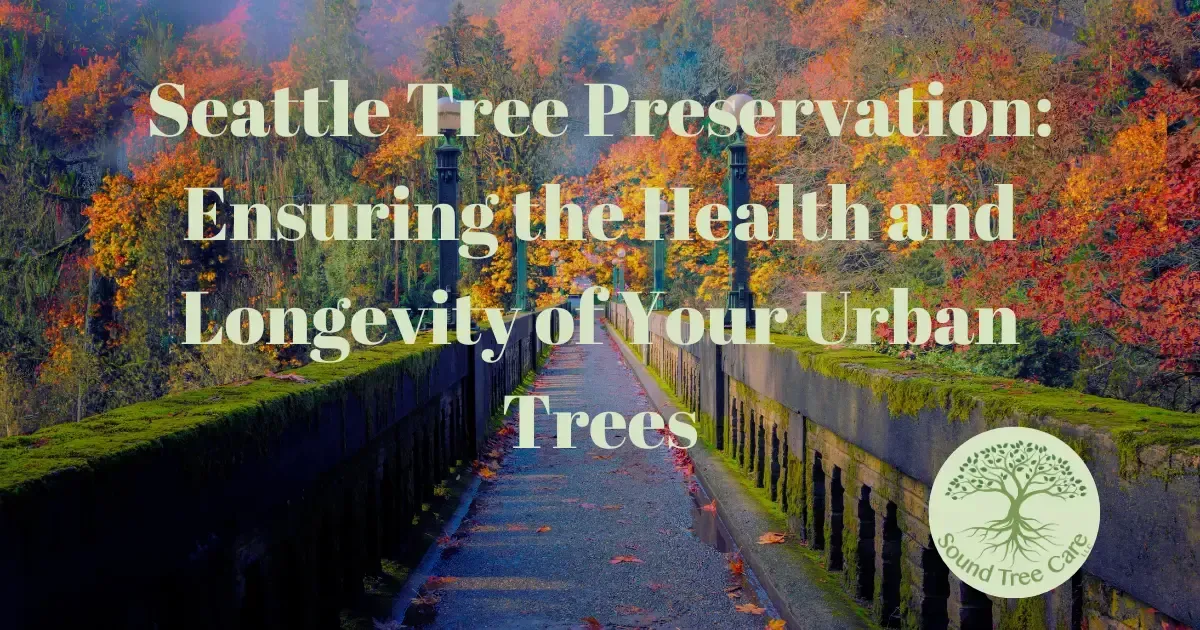
Seattle Tree Preservation: Ensuring the Health and Longevity of Your Urban Trees
By Eric Ledford September 7, 2023
As a registered Seattle tree service, we work closely with the community to preserve and protect our urban trees and forests. Read on to learn about the services we offer to help you keep your trees healthy and strong.
tree trimming vs pruning, Sound Tree Care
By Eric Ledford August 3, 2023
Tree Trimming vs. Pruning: Learn the Key Differences in Tree Care Techniques and When to Use Each Method
over-pruning trees, tree topping, how over-pruning kills seattle trees, sound tree care
By Eric Ledford March 6, 2023
How over-pruning kills Seattle trees and how to avoid it. Why you should never top your trees. Sound Tree Care
pruning young trees for structure and from in seattle wa, sound tree care
By Eric Ledford February 6, 2023
How to prune young trees for structure and form in Seattle, WA. Tree Care | Tree Pruning | Young Tree Care
expert tips on fall tree care, tree care specialists, seatac, seattle wa, sound tree care
By Eric Ledford September 20, 2022
The ultimate fall tree care checklist to help you give your trees the TLC they need. FREE QUOTES. Call today! 206-486-7790
tree trimming on rental property, why trim trees on rental properties, seattle wa, sound tree care
By eric B September 6, 2022
5 reasons why you should trim the trees on your rental property in Seattle, WA. Tree Trimming | Maintaining Rental Property | Tree Care
Show More

Reviewed by Eric Ledford, ISA Certified Arborist Tree Risk Assessor

Eric Ledford

Operations Manager

Founder, Sound Tree Care LLC ISA Certified Arborist (PN-9290A) Qualified Tree Risk Assessor (TRAQ) NUCA DigSafe Certified

This content has been reviewed by Eric Ledford, ISA Certified Arborist (PN-9290A) and TRAQ Qualified Tree Risk Assessor. Eric verifies that all recommendations reflect current ISA best management practices, ANSI A300 standards, and applicable municipal tree regulations in the Puget Sound region.

🌲Professional Tree Pruning Services by Certified Arborists


Proper tree pruning improves tree health, reduces the risk of failure, and helps maintain safe clearance around homes, structures, and utilities. Sound Tree Care LLC provides professional tree pruning services performed by ISA Certified Arborists using species-specific methods that follow ANSI A300 standards.

From structural pruning and canopy thinning to hazard reduction and long-term maintenance, we tailor every pruning plan to the tree’s biology, site conditions, and your property goals.


 βœ… Structural Pruning for Young & Mature Trees
βœ… Canopy Thinning & Weight Reduction
βœ… Clearance Pruning from Roofs, Buildings & Power Lines
βœ… Deadwood Removal & Hazard Mitigation
βœ… Residential, Commercial & HOA Tree Pruning


 β­ ISA Certified Arborists | TRAQ-Qualified
⭐ ANSI A300 & Z133 Safety-Compliant Pruning
⭐ Licensed, Bonded & Fully Insured in Washington
⭐ 5-Star Reviews on Google, Yelp & Facebook
⭐ Professional, Code-Aware Tree Care


πŸ“ž Call us now at 206-486-7790 — Speak with a certified arborist
πŸ“
Request a Tree Pruning Quote: Client Hub
πŸ“ Serving Seattle, Bellevue, Renton, Kent, Sammamish & surrounding Puget Sound communities