


Apple Trees
Structural and maintenance pruning commonly takes place during dormancy. Selected summer pruning may be useful for managing vigorous growth or trained forms.
ISA Certified Arborists · Licensed · Bonded · Insured
4.8★ Google rating · 260 reviews

Sound Tree Care provides arborist-led pruning for apple, pear, cherry, plum, and other fruit trees throughout Seattle and Puget Sound. We work with backyard trees and residential orchards on young-tree training, seasonal maintenance, and restoring neglected growth.
Tell us your priorities—fruit production, picking access, tree size, or branch structure. We recommend work based on the species, condition, and existing form, with a written proposal defining the pruning and cleanup included.
We consider the species, age, existing structure, previous pruning, and your goals before recommending work.
• Young trees — guide branch development and the intended training form.
• Established trees — manage selected growth while considering fruiting wood and picking access.
• Neglected trees — assess what can reasonably be restored and whether work should be spread over several seasons.
• Damaged or declining trees — identify concerns that may require further evaluation before pruning.
Comcast RISE 2025 award badge recognizing Sound Tree Care for innovation and small business impact
2025 Nextdoor Neighborhood Fave badge for outstanding tree care service in local communities
Fruit tree pruning can address several goals:
• Improve light distribution within the canopy.
• Manage branch structure and crowded growth.
• Retain appropriate fruiting wood.
• Maintain practical access for picking and care.
• Remove selected dead, damaged, or diseased branches.
Pruning is one part of fruit tree care. Harvest results also depend on variety, pollination, weather, soil conditions, and other maintenance. Pruning alone does not prevent pests or disease or guarantee a larger crop.
Pruning timing depends on the species, tree condition, weather, and work proposed. Dormant pruning and summer pruning serve different purposes, so we recommend timing for your trees rather than one calendar window for every species.
Structural and maintenance pruning commonly takes place during dormancy. Selected summer pruning may be useful for managing vigorous growth or trained forms.
Dormant pruning is commonly used for structure and maintenance. Summer work may address selected growth, depending on vigor, training, and the pruning objective.
For sweet cherries, dry summer weather after harvest is often preferred to reduce bacterial infection risk. Timing also depends on tree condition and the cuts required.
Plums and peaches need different pruning approaches. We consider species, fruiting wood, growth, and disease concerns when choosing dormant or summer work.
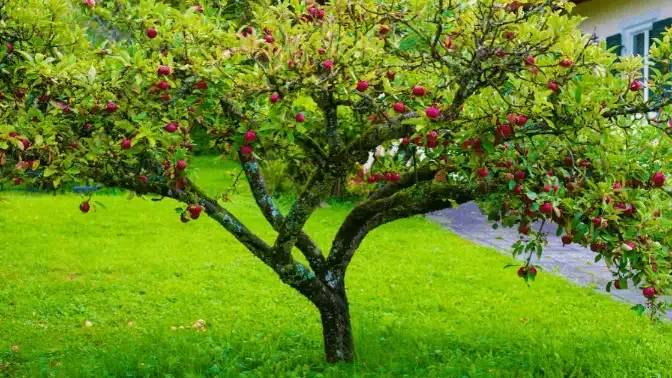
We prune backyard fruit trees and residential orchards. Species, variety, training form, and previous pruning influence the work we recommend.
Young-tree training, established-tree maintenance, and staged restoration of neglected growth. We consider fruiting wood, branch spacing, and picking access.
Pruning for the tree’s training form, upright growth, and branch arrangement. The scope reflects its existing structure and your maintenance goals.
Selective work for clearance, branch structure, or manageable growth. We consider tree condition, cut size, and suitable weather when planning the work.
We also prune plum, peach, fig, persimmon, quince, and other fruit trees. Send photos and identify the species if known so we can discuss the appropriate scope.
The cuts we recommend depend on the tree’s existing form, fruiting habit, and your goals. Maintenance pruning and restoration of a neglected tree require different scopes.
Guide branch development toward the intended training form. We consider branch spacing, competing growth, and the framework needed as the tree develops.
Address selected crowded, crossing, dead, or damaged branches while considering fruiting wood, light distribution, and picking access. The work follows the tree’s species and existing structure.
Assess previous cuts, vigorous regrowth, tree condition, and achievable size goals. Restoration may need to be staged over several seasons rather than attempting a major reduction in one visit.
Explore tree services in your city. Send your address, fruit tree species if known, and photos so we can discuss your pruning goals and scheduling.
Browse Sound Tree Care’s project records across Puget Sound. The map includes a range of tree services; select a project to see its work description and available photos.
Looking for similar results? Request a fruit tree pruning estimate from a certified arborist near you.
⭐ 5-Star Google Rated 🌲 ISA Certified Arborists 🛡️ Licensed & Insured 📍 Puget Sound Experts
Answers about scheduling, neglected trees, pruning costs, and concerns that may need evaluation before work begins.
Get expert recommendations from an ISA Certified Arborist near you.
Call
206-486-7790 or request a free fruit tree pruning estimate today.
Explore our articles on fruit tree pruning, seasonal planning, and managing growth for fruit production.
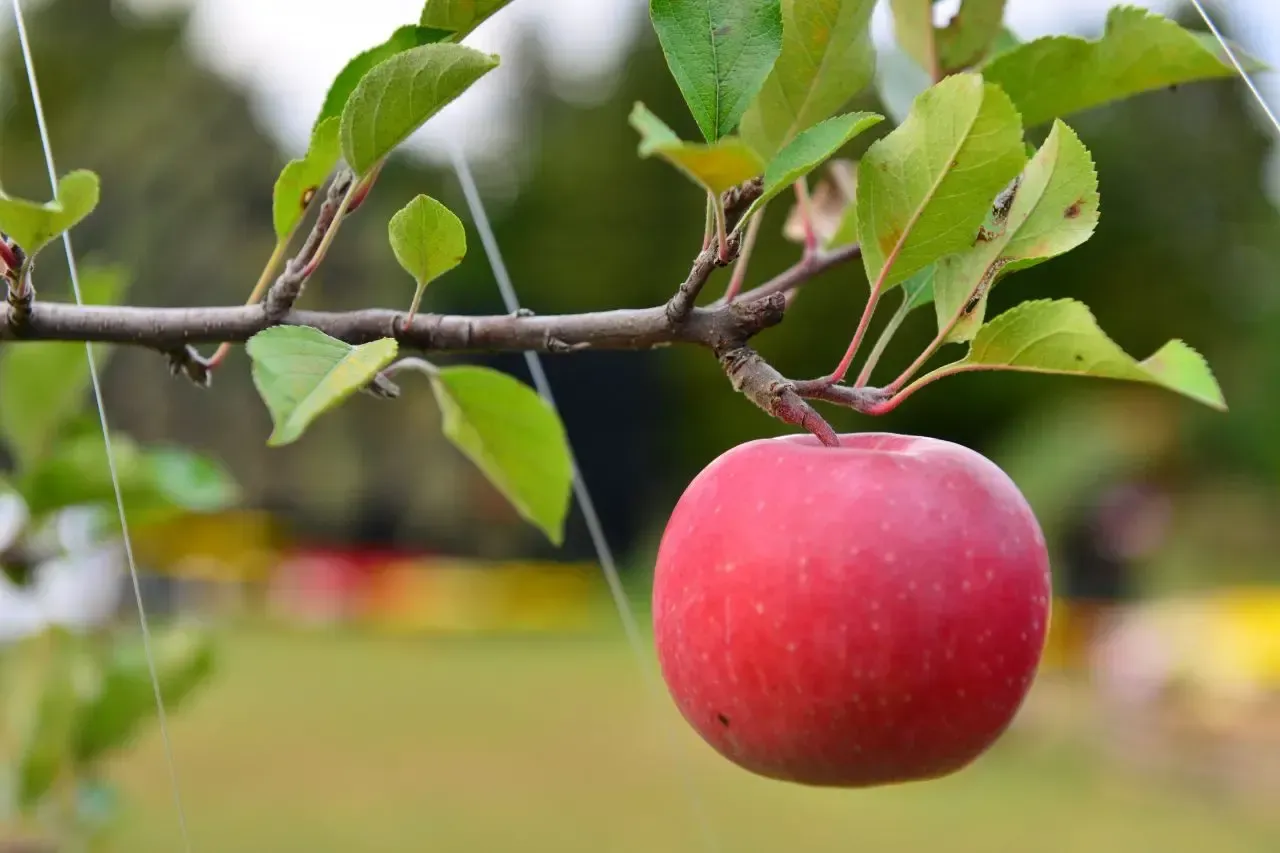

Send your property address, the number of trees, and photos showing their overall form. Include the species if known and your goals—seasonal maintenance, picking access, young-tree training, or restoration.
We’ll review your request and arrange the next step. Your written proposal defines the pruning, debris handling, cleanup, and price.
📝 Request a Free Fruit Tree Pruning Estimate →
📞 Call us now at 206-486-7790
Sound Tree Care LLC Operations
(Not Open to Public)
3057 S 146th St SeaTac, WA 98168
Office Hours
Mon–Fri: 8:00 AM – 4:00 PM