Tree Service FAQs (Seattle Arborist Answers You Can Trust)
Looking for answers about tree removal, pruning, permits, or hiring an arborist in Seattle? Below are the most common tree service questions we hear from homeowners across Seattle, Bellevue, Kent, and the greater Puget Sound area. Our ISA Certified Arborists provide clear, experience-based answers to help you make informed decisions about your trees.
If you are dealing with a hazardous tree, a permit question, a neighbor dispute, or a development-related tree concern, these answers reflect what is typically encountered under Washington municipal codes, environmentally critical areas (ECAs), and professional arboricultural standards.
Browse FAQ Topics
When pruning vs removal is appropriate
Seattle, Bellevue, Renton & WA regulations
What actually drives tree service pricing in the Puget Sound region
Defects, targets, and risk factors
ECAs, street trees, notice rules
Drop-off, debris, and reuse info
Tree Removal, Pruning & Hazard Tree Decisions
Should I remove my tree or can it be pruned instead?
In many cases, a tree does not need to be removed and can be preserved through proper arboricultural pruning. The decision between pruning and removal depends on several key factors, including tree health, structural defects, proximity to targets, species characteristics, and site conditions common to the Puget Sound region such as saturated soils, wind exposure, and limited root space.
Pruning is typically recommended when a tree is structurally sound but has overextended limbs, deadwood, clearance issues, or minor defects that can be mitigated through weight reduction, crown cleaning, or directional pruning. This is often the preferred approach for healthy trees located near homes, fences, or walkways, as it reduces risk while preserving canopy value, shade, and ecological benefits.
Tree removal is generally considered when significant defects are present that cannot be reasonably mitigated through pruning. These may include severe trunk decay, large cavities, root plate movement, major structural cracks, advanced dieback, or a history of limb or top failure. Trees growing in constrained environments, such as near foundations, retaining walls, utility infrastructure, or within environmentally critical areas (ECAs), may also require removal if risk levels exceed acceptable thresholds.
Hazard potential is evaluated based on both the likelihood of failure and the presence of targets within striking distance. In urban areas like Seattle, Bellevue, Renton, and Kent, common targets include residences, vehicles, pedestrian areas, neighboring structures, and utility lines. A tree that might be acceptable in a forested setting may be considered high risk when located within one tree height of a constantly occupied structure.
Species-specific failure profiles are also an important consideration. For example, cottonwoods, poplars, and other fast-growing species common in Western Washington are more prone to limb failure, sudden limb drop, and whole tree failure in saturated soil conditions. Conversely, structurally sound conifers may be better candidates for pruning and long-term monitoring rather than removal.
A Qualified Tree Risk Assessment performed by an ISA Certified Arborist and TRAQ credentialed assessor provides the most reliable determination of whether pruning, monitoring, or removal is the appropriate course of action. This process considers tree biology, defect severity, site factors, load conditions, and municipal code constraints to provide a defensible, professional recommendation rather than a one-size-fits-all solution.
When permits or local regulations apply, especially in cities with tree protection ordinances, pruning may also be the preferred compliance option if removal is restricted. In these situations, strategic pruning combined with periodic inspections can significantly extend the safe service life of a tree while maintaining code compliance and reducing liability exposure for the property owner.
Key Factors Arborists Use to Recommend Pruning vs Removal
Overall vigor, decay presence, structural defects, included bark, dead tops, and previous failures all influence whether a tree can be safely preserved through pruning or requires removal.
Homes, vehicles, walkways, utility lines, and neighboring structures significantly increase risk ratings compared to trees located in open or forested areas.
Puget Sound soils are often shallow and seasonally saturated, which can increase the likelihood of root plate failure, especially during heavy rain and wind events.
Many Washington cities regulate tree removal based on size, species, and location. In some cases, pruning and risk mitigation are the only code-compliant options.
Permits & Tree Laws in Washington (Seattle, Bellevue, Renton & Puget Sound)
Do I need a permit to remove a tree in Washington?
In many Washington cities, a permit may be required to remove a tree depending on its size, species, location, zoning, and whether the property is in a regulated area such as an Environmentally Critical Area (ECA), shoreline zone, or development site. Requirements vary significantly between municipalities like Seattle, Bellevue, and Renton.
Tree removal permits in Washington are governed primarily at the city level rather than statewide, which means regulations can vary widely even between neighboring cities in the Puget Sound region. Factors such as tree diameter, exceptional tree designation, site development activity, and environmental protections often determine whether removal is allowed outright, restricted, or subject to formal review.
In cities like Seattle, tree protection ordinances may regulate the removal of exceptional trees, trees in environmentally critical areas, and trees associated with development permits. Even on private property, removal may be restricted if the tree meets specific size thresholds or contributes to required canopy coverage. Unauthorized removal in regulated jurisdictions can result in fines, replacement requirements, or permit violations.
Bellevue, Renton, and other Puget Sound municipalities also maintain their own tree codes that evaluate removal eligibility based on tree size, condition, and land use designation. Some cities allow removal of hazardous, dead, or imminently failing trees with proper documentation, while healthy trees may require mitigation planting, arborist reports, or permit approval prior to removal.
Common Situations Where a Permit May Be Required
- Removal of large or “exceptional” trees above city diameter thresholds
- Trees located in Environmentally Critical Areas (ECAs) or shoreline zones
- Trees associated with construction, additions, or site development
- Street trees or trees located in public planting strips
- Protected species or trees required for canopy retention
When Tree Removal May Be Allowed Without a Permit
In many jurisdictions, hazardous, dead, or imminently failing trees may qualify for exemption from standard removal permits if properly documented by a qualified arborist. However, documentation requirements vary, and some cities still require notification or verification before removal, especially when the tree is located near property lines, public infrastructure, or environmentally regulated zones.
It is also important to note that smaller trees under certain diameter thresholds may not be regulated in some municipalities, though this is not universal and should never be assumed without site-specific review. Homeowners often mistakenly believe that trees on private property are unregulated, which is not always the case in Washington urban areas.
How an Arborist Helps With Permit Compliance
An ISA Certified Arborist can provide tree risk assessments, condition documentation, and formal arborist reports that support permit applications, code compliance reviews, and exemption determinations. This is particularly important when a tree poses a safety risk but is located within a regulated zone where removal justification must be professionally documented.
For property owners in the Seattle, Bellevue, Renton, and greater Puget Sound region, consulting an arborist before removal can prevent costly violations, project delays, and replanting penalties while ensuring that all work aligns with local municipal codes and accepted arboricultural standards.
- Seattle Tree Removal Permit Guide – Seattle specific rules, exceptional trees, and permit triggers
- Tree Removal Permits by City and Municipal Tree Regulations Guide – City-specific rules, significant trees, street trees and trees in Environmentally Critial Areas (ECAs)
- Washington State Tree Laws & Regulations – Property rights, liability, and legal considerations
- Arborist Reports for Permits & Code Compliance – When documentation is required for regulated removals
Tree Service Costs in Washington: Removal, Pruning, and Arborist Work
Tree service costs in the Puget Sound region can vary significantly depending on the size of the tree, site access, risk level, equipment requirements, and whether the work involves pruning, removal, or permit-restricted operations. In cities like Seattle, Bellevue, Renton, and Kent, pricing is often influenced not just by tree size, but by proximity to homes, utilities, slopes, and regulated tree ordinances.
Unlike flat-rate home services, professional tree work is risk-based and labor-intensive. Hazardous removals, crane work, rigging over structures, and permit documentation all require specialized planning, certified arborist oversight, and insurance coverage, which are major cost drivers in legitimate tree care operations.
💡 Quick Costs Overview (Typical Tree Care Expenses)
- Tree Pruning: Typically ranges from light maintenance to structural pruning depending on canopy size and access.
- Tree Removal: Varies widely based on height, diameter, and risk factors such as nearby structures or power lines.
- Hazardous Tree Removal: Higher due to technical rigging, safety planning, and liability exposure.
- Stump Grinding: Usually priced based on stump diameter and root flare size.
- Arborist Reports & Permits: Professional documentation may be required for regulated removals or code compliance.
What Factors Affect Tree Removal and Pruning Costs?
The most significant cost factor is tree size and structural complexity. Taller trees with large canopy spreads require more labor, rigging time, and debris handling. However, site conditions often play an even larger role in pricing than the tree itself.
- Tree Height & Diameter: Larger trees require more time, crew members, and specialized equipment.
- Location & Accessibility: Backyard trees, steep slopes, ECAs, and tight urban lots increase labor complexity.
- Nearby Targets: Homes, fences, roofs, and utilities require controlled rigging instead of simple felling.
- Hazard Level: Dead, leaning, cracked, or storm-damaged trees require advanced safety protocols.
- Permit & Documentation Requirements: Regulated trees may require arborist reports or city approvals.
- Debris Handling: Log hauling, chip removal, or onsite wood processing can affect final pricing.
Why Tree Work Costs More in Seattle and the Greater Puget Sound
Urban tree work in Western Washington is typically more complex than rural tree removal due to dense housing, protected trees, environmentally critical areas (ECAs), and strict municipal regulations. Many removals must be performed in sections using rigging systems rather than traditional falling techniques, especially in developed neighborhoods.
Additionally, fully insured tree companies carry significant liability coverage, trained crews, safety equipment, and specialized machinery. These operational costs are essential for safe, code-compliant tree work and are reflected in professional pricing compared to uninsured or non-certified operators.
Do Permits and Regulations Increase Tree Service Costs?
Yes, in many cases. If a tree is classified as exceptional, located within a regulated zone, or part of a development or HOA review process, additional time may be required for inspections, documentation, and coordination with city departments. This administrative and professional review process can add to the overall project scope but helps prevent fines, stop-work orders, or replanting penalties.
Tree Removal, Stump Grinding & Trimming Costs in Seattle
Tree removal is often the largest expense in a tree care project, but services like stump grinding and tree trimming can significantly impact the total cost. In Seattle, pricing depends on factors like tree size, access, hazards, permitting requirements, and site conditions. For a detailed breakdown, see our tree removal cost guide below.
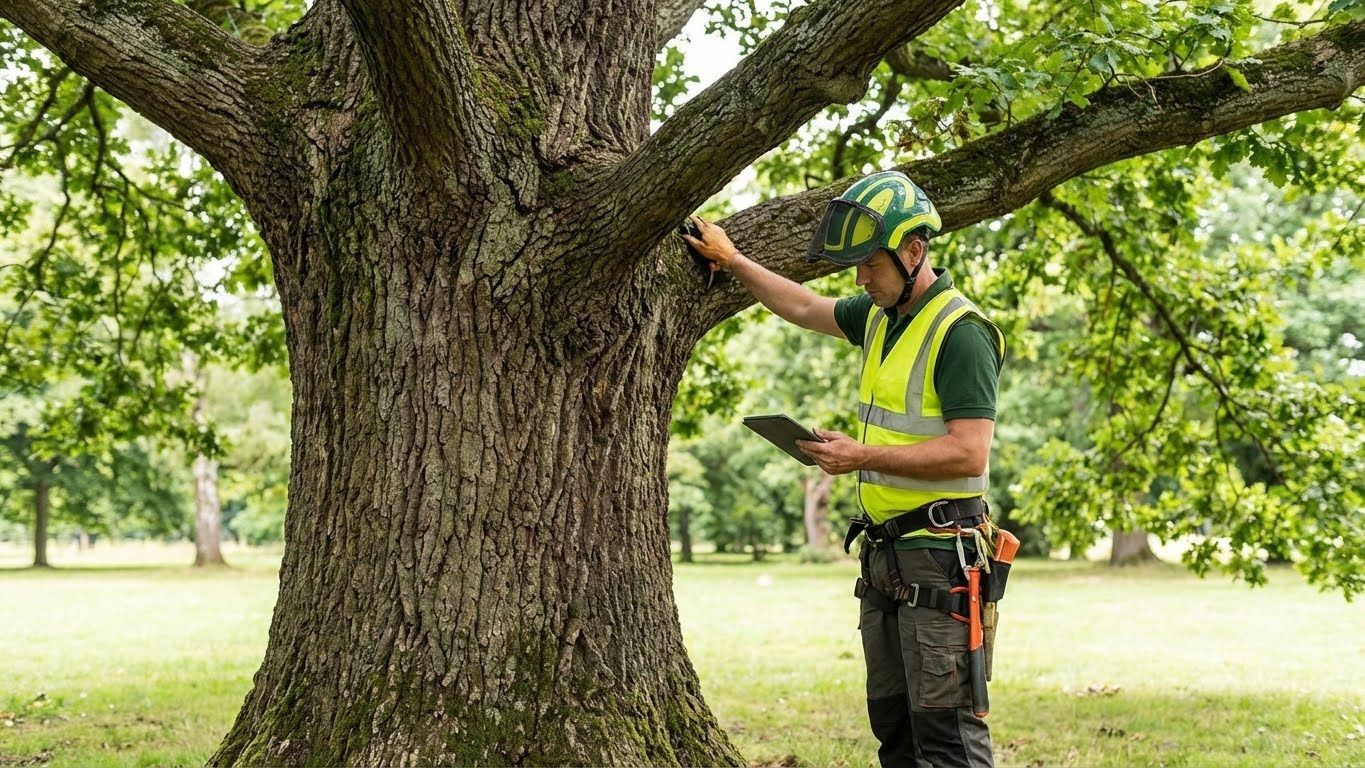
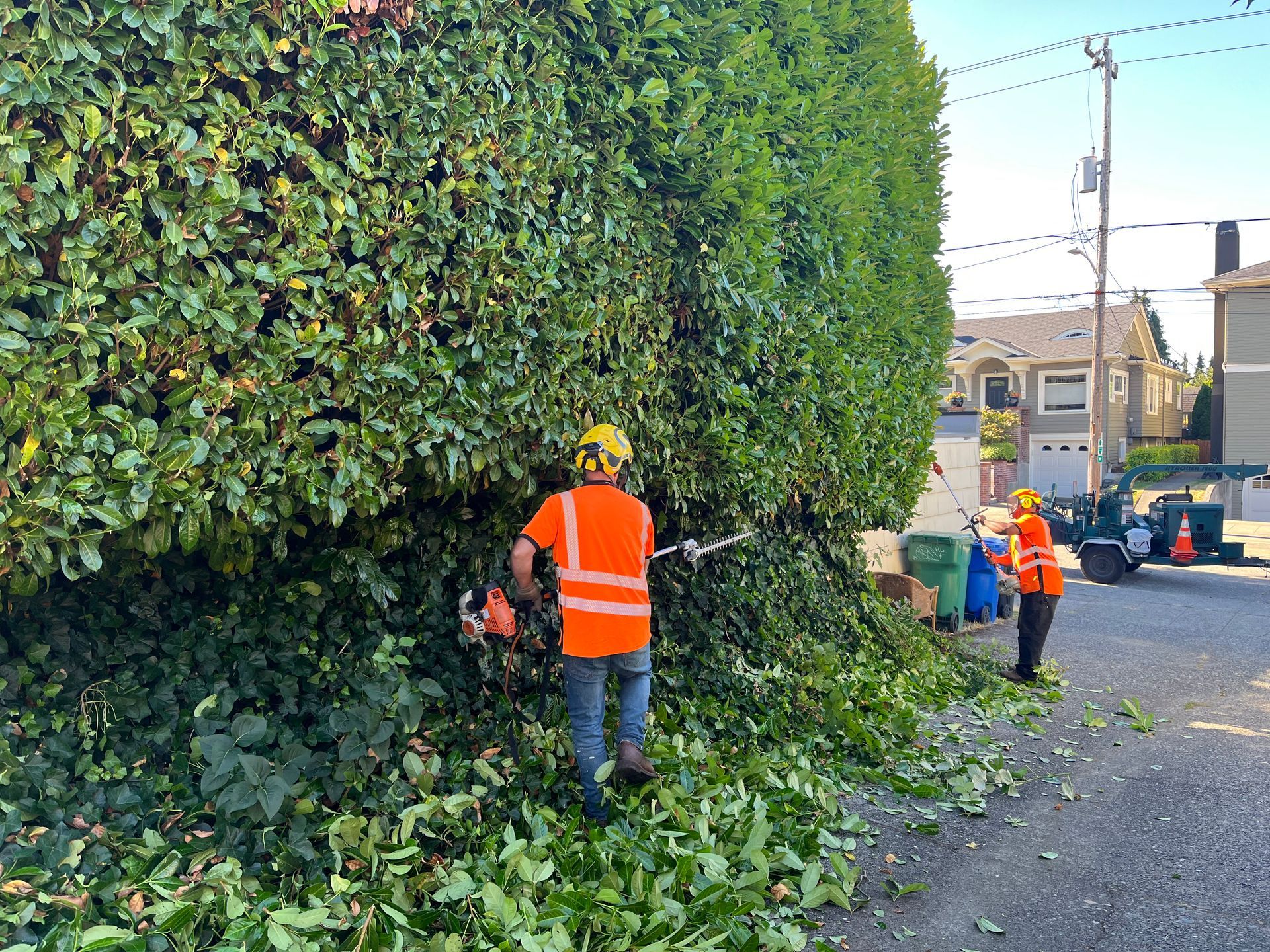
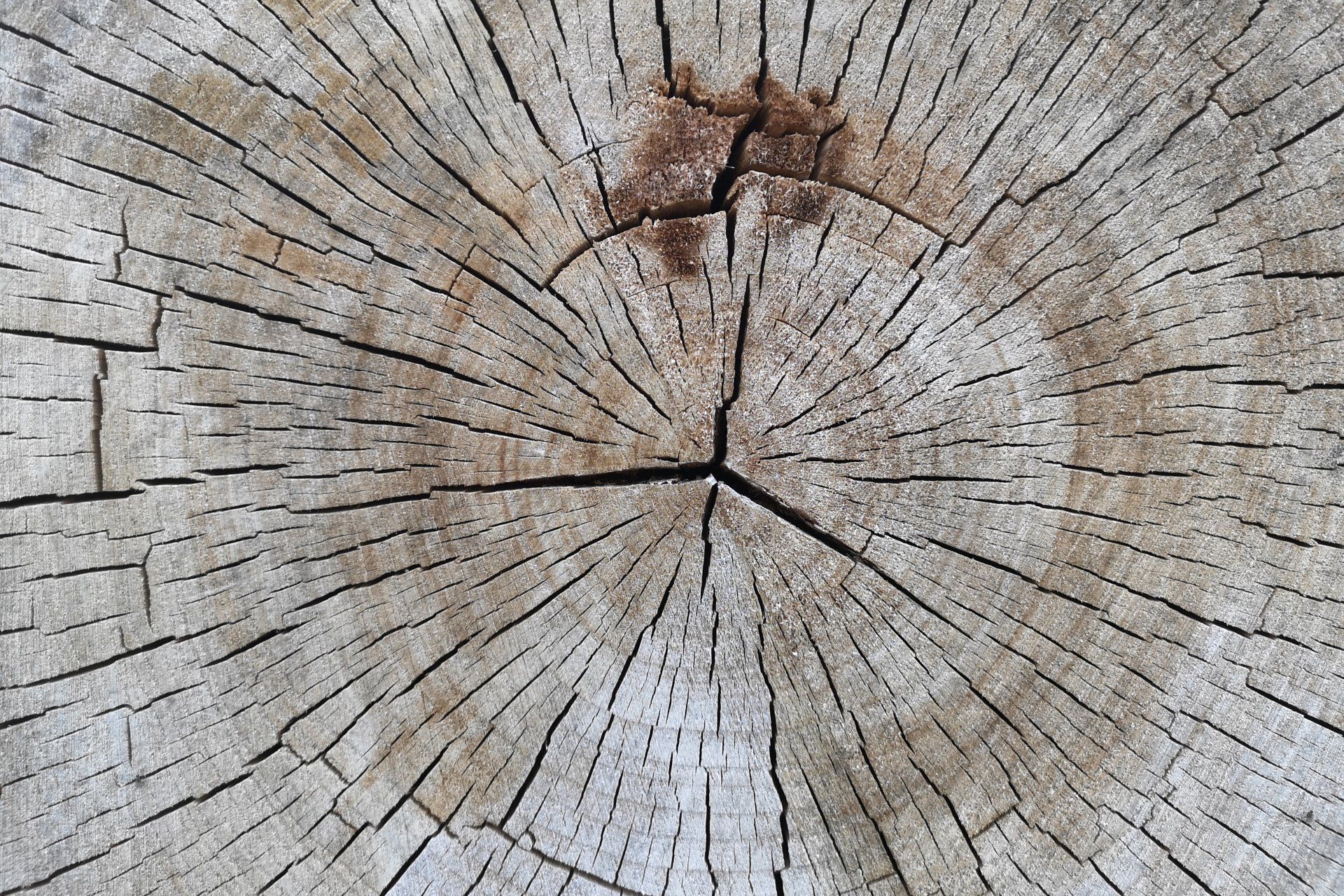
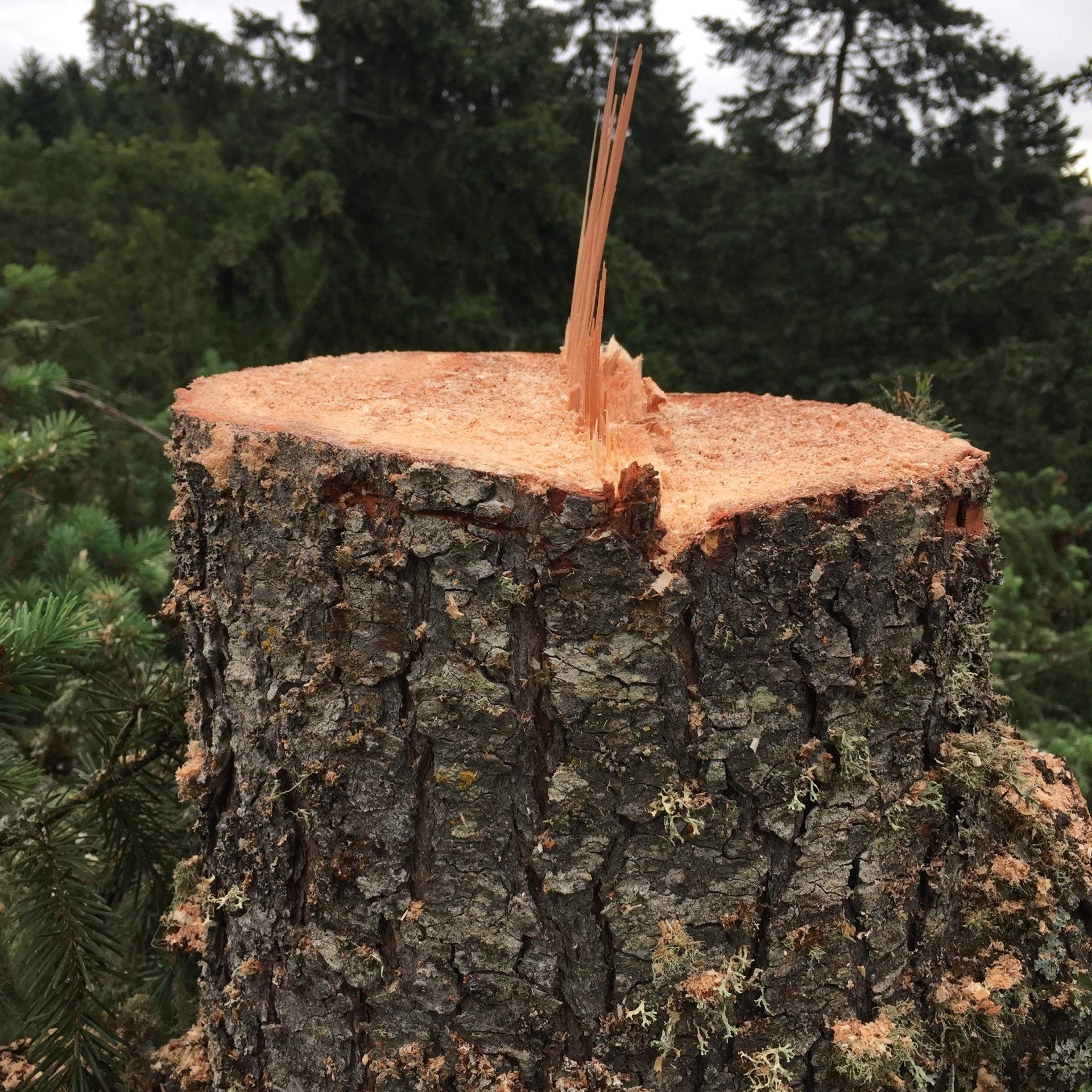
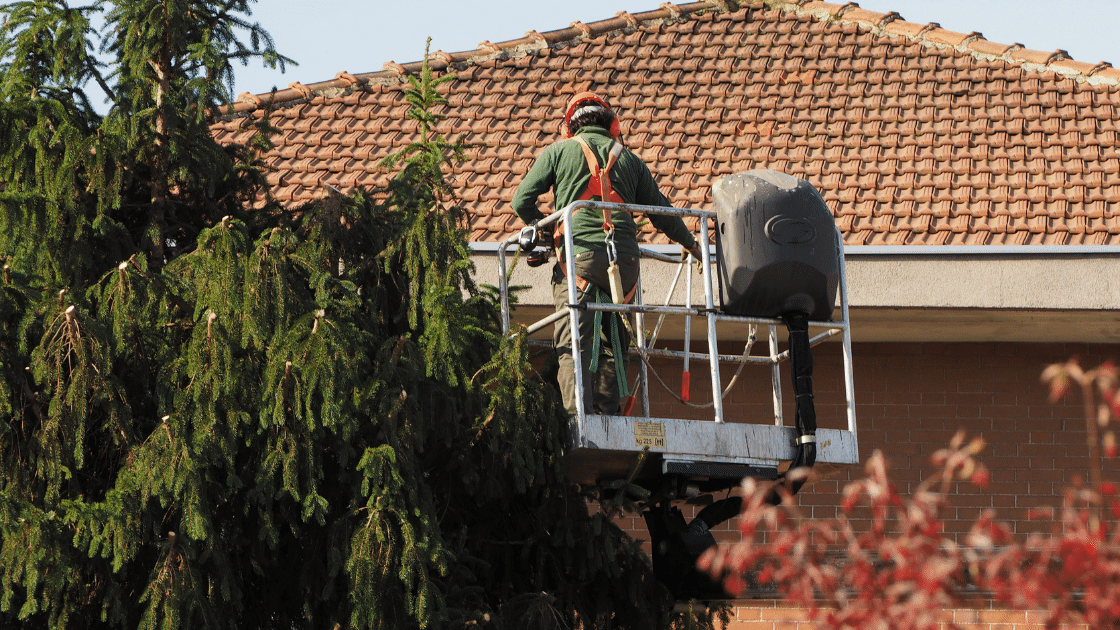
All pricing guides are written and reviewed by ISA Certified Arborists with real-world experience in the Seattle area.
Need an exact price for your tree? Get a free estimate from an ISA Certified Arborist—fast, accurate, and tailored to your property.
Hazardous Trees & Risk Assessment in Washington State
A hazardous tree is not simply a tree that looks large or close to a structure. In professional arboriculture, risk is determined by the likelihood of failure, the size of the part that may fail, and the presence of targets such as homes, vehicles, utilities, or high-traffic areas. In urban environments like Seattle, Bellevue, Renton, and Kent, even structurally sound trees can present elevated risk due to limited space, slopes, and nearby infrastructure.
ISA Certified Arborists and Qualified Tree Risk Assessors (TRAQ) evaluate trees using standardized risk assessment methods rather than visual guesswork. This ensures that removal decisions are based on documented structural defects, site conditions, and target exposure — not just tree size or homeowner concern.
⚠️ Common Signs a Tree May Be Hazardous
- Large dead branches (deadwood): Especially limbs over structures, driveways, or walkways.
- Cracks or splits in the trunk: Structural fractures can indicate imminent failure risk.
- Leaning trees with soil movement: Root plate lifting or shifting is a major red flag.
- Fungal growth at the base: Mushrooms or conks may indicate internal decay.
- Significant canopy dieback: Declining vigor can signal structural or root issues.
- Root damage from construction: Excavation, grading, or trenching can destabilize trees.
- Previous topping or poor pruning: Leads to weakly attached regrowth and future failure.
How Tree Risk Is Professionally Assessed
Professional tree risk assessments consider multiple factors including species failure profiles, structural defects, wind exposure, soil conditions, and the presence of high-value targets. In the Puget Sound region, saturated soils, winter storms, and dense urban development significantly increase the likelihood of whole tree or limb failure compared to open rural environments.
- Likelihood of Failure: Structural condition, decay, lean, and root stability.
- Likelihood of Impacting a Target: Proximity to homes, roads, fences, and utilities.
- Consequences of Failure: Potential property damage, injury risk, or infrastructure impact.
High-Risk Tree Situations in Seattle & the Puget Sound Region
Certain site conditions common in Western Washington can significantly increase tree risk, even when trees appear healthy. Steep slopes, environmentally critical areas (ECAs), saturated soils, and recent site clearing can all change load factors and wind exposure. Cottonwoods, bigleaf maples, and large conifers near developed properties often require periodic risk evaluation due to their size and failure potential in storm conditions.
Heavy rain, windstorms, and saturated winter soils in the Seattle area can weaken root systems and increase the likelihood of sudden limb drop or whole tree failure. Trees located downhill from structures or on terraced slopes present elevated risk due to increased fall distance and momentum if failure occurs.
When Hazard Mitigation Is Recommended Instead of Removal
Not all hazardous trees require full removal. In many cases, risk can be reduced through professional pruning, weight reduction, structural cabling, or deadwood removal. A qualified arborist will evaluate whether mitigation can reasonably lower the risk level while preserving the tree’s health and structural integrity.
However, when structural defects are severe, decay is advanced, or targets cannot be reasonably mitigated, removal may be the most responsible and code-compliant option — particularly in urban environments where failure consequences are high.
Tree Removal Permits & Local Tree Laws by City (Seattle & Puget Sound)
Tree regulations in Washington State vary widely by city, with different rules for tree removal permits, pruning, protected trees, and Environmentally Critical Areas (ECAs). Homeowners in Seattle, Bellevue, Kent, Renton, and surrounding Puget Sound cities often face different requirements—even between neighboring properties. Before removing a tree, performing major pruning, or working near slopes, wetlands, shorelines, or street rights-of-way, it’s critical to understand local codes. Our ISA Certified Arborists help you navigate city-specific tree laws and permitting requirements with confidence.
Seattle
Seattle
Seattle tree removal permits depend on tree size, species, location, and whether the tree is located in an Environmentally Critical Area (ECA), steep slope, shoreline, or right-of-way. In many cases, removing a tree without proper approval can result in fines, stop-work orders, or required replanting.
Homeowners often ask whether they can remove a tree on their property without a permit. The answer depends on factors like whether the tree is considered “exceptional,” part of a development project, or located in a regulated area under Seattle’s tree protection ordinance.
- Common permit triggers: ECAs and steep slopes, development or construction activity, exceptional or regulated trees, and street or right-of-way trees.
- What may be required: site photos, diameter measurements (DSH), a site plan, and in some cases an arborist report or Tree Risk Assessment (TRAQ).
- Hazard tree removals: Trees that present a documented risk may qualify for expedited removal, but proper documentation is typically required to support the claim.
Because Seattle tree laws can be complex and highly site-specific, many homeowners choose to have an ISA Certified Arborist review the tree before submitting for permits or proceeding with removal.
Bellevue
Because Bellevue’s tree code is closely tied to development review, working with an ISA Certified Arborist can help ensure compliance, avoid delays, and properly document tree conditions before removal or construction begins.
Kent
Kent permitting is often driven by tree size and site conditions, especially where clearing, grading, or development review is involved.
- Common triggers: development activity, sensitive areas, and regulated trees by size.
- Helpful prep: photos, a simple site sketch, and tree measurements.
Renton
Renton tree regulations commonly intersect with development and environmental review, especially on constrained sites or where protected trees are involved.
- Common triggers: clearing/grading, development permits, and protected tree categories.
- Helpful prep: measurements, photos, and documentation if a hazard is being claimed.
Mercer Island
Mercer Island regulations deal with environmentally critical areas review, especially on constrained sites or where protected trees are involved.
- Common triggers: clearing/grading, development permits, and protected tree categories.
- Helpful prep: measurements, photos, and documentation if a hazard is being claimed.
Shoreline
Shoreline permitting can depend heavily on site conditions and whether tree work is connected to construction, shoreline areas, or environmentally sensitive zones.
- Common triggers: sensitive areas and development activity.
- Helpful prep: tree measurements, photos, and a clear scope of work.
Federal Way
Federal Way requirements often depend on tree size, location, and project context. Some removals are reviewed through permitting tied to development activity.
- Common triggers: development work, sensitive areas, and larger regulated trees.
- Helpful prep: measurements, photos, and documentation of defects if claiming hazard.
Burien
Burien rules often depend on tree size, location, and whether work is associated with development review. If a tree is regulated, documentation is commonly required.
- Common triggers: regulated trees and development activity.
- Helpful prep: photos, measurements, and a clear reason for the requested work.
Tacoma
Tacoma permitting can vary depending on tree location and project type, especially where development permitting and site constraints apply.
- Common triggers: development review and protected trees by size/category.
- Helpful prep: measurements, photos, and a simple site plan for review.
Issaquah
Environmentally critical areas review such as steep slopes are present and Issaquah code often requires replanting in the event of tree removal.
- Common triggers: clearing/grading, development permits, and protected tree categories.
- Helpful prep: measurements, photos, and documentation if a hazard is being claimed.
Wood Chips & Logs – Disposal, Reuse & Drop-Off Options
After tree removal, pruning, or storm cleanup, many property owners ask what happens to the wood debris. In most professional tree service projects, wood chips, logs, and brush are either hauled away, recycled, or repurposed depending on client preference and site logistics. In the Seattle, Bellevue, Renton, and greater Puget Sound region, recycling and reuse of tree debris is common and often more sustainable than disposal.
🌲 What Happens to Wood Debris After Tree Work?
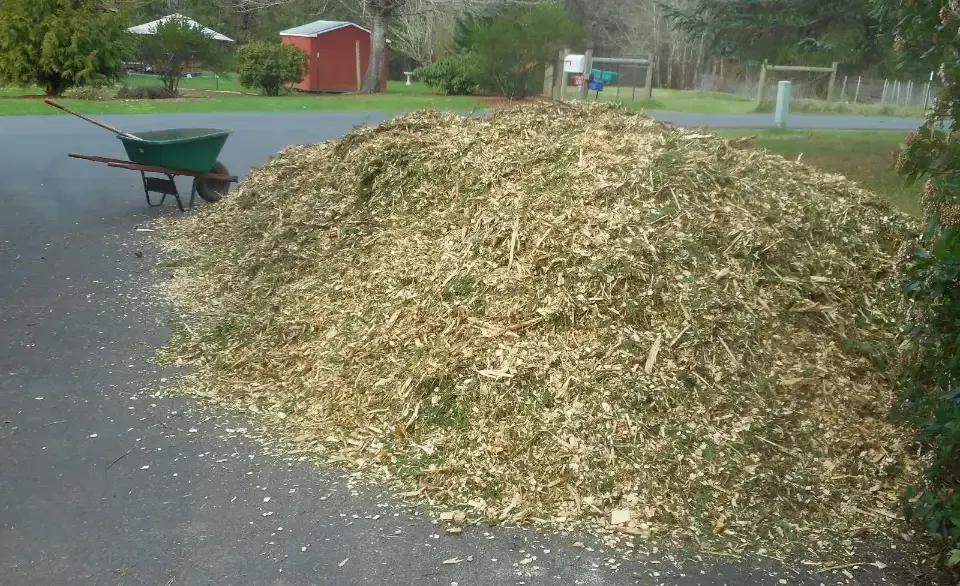
- Wood chips: Typically recycled as mulch, erosion control, or landscaping material.
- Logs & rounds: Can be hauled away, milled, firewood processed, or left onsite if requested.
- Brush & small debris: Chipped and recycled through green waste streams.
- Stumps: Usually ground below grade and chips can be left or removed.
Can Wood Chips Be Left Onsite?
Yes. Many clients choose to keep wood chips for mulch, soil moisture retention, slope stabilization, or garden pathways. Leaving chips onsite can reduce haul-away costs and provide a useful organic material, especially for larger properties, landscaped areas, and environmentally sensitive slopes common in Western Washington.
Log Drop-Off & Reuse Considerations
Depending on the species, size, and condition of the tree, logs may be suitable for firewood, habitat use, or recycling through local wood recovery channels. In some cases, log drop-off or designated placement onsite can be arranged if space and access allow. This is particularly common on larger residential lots and properties undergoing phased landscaping or land management.
In dense urban areas like Seattle and Bellevue, limited space, access constraints, and HOA requirements often make full debris removal the most practical option. However, properties in Renton, Kent, and surrounding areas may have more flexibility for chip retention or log placement depending on site layout and client goals.
Do Wood Chips or Logs Affect Project Cost?
Debris handling is a key cost factor in tree service. Hauling, disposal, and recycling logistics require labor, equipment, and transport time. Choosing to keep chips onsite or arrange log placement can sometimes reduce disposal costs, while full haul-away and cleanup provides a turnkey finish for clients who prefer a clean site after the project is completed.
🔗 Related Free Resources
- Seattle Area Only - Limited AvailablityStill Have Questions About Your Trees, Permits, or Tree Risk?
Every property in the Puget Sound region is different. Tree regulations, hazard risk, permit requirements, and pruning recommendations can vary significantly based on species, location, site conditions, and nearby structures. What applies to one tree may not apply to another — even on the same property.
Sound Tree Care provides ISA Certified Arborist consultations, tree risk assessments (TRAQ-informed), arborist reports, and permit guidance for homeowners, HOAs, and property managers throughout Seattle, Bellevue, Renton, Kent, and the greater Puget Sound area.
Get site-specific guidance from an ISA Certified Arborist — not generic advice.
Sound Tree Care LLC • ISA Certified Arborist • Qualified Tree Risk Assessor (TRAQ)
📞 Prefer to speak directly? Call Sound Tree Care to speak with an ISA Certified Arborist.