Many tree health problems begin below ground long before visible decline appears in the canopy. In the Puget Sound region, compacted soils, excessive moisture, construction activity, and restricted root zones are some of the most common causes of chronic tree stress. Recognizing early warning signs can help prevent long-term decline, structural instability, and premature tree failure.
Plant Health Care & Root Zone Restoration
Trees throughout the Puget Sound region depend on healthy soil and stable root systems to thrive in the Pacific Northwest climate. Compacted soils, construction impacts, poor drainage, drought stress, and root disturbance can all contribute to declining tree health—even in mature trees that appear healthy from above.
Our plant health care services focus on improving soil structure, restoring root function, and reducing long-term stress through arborist-led solutions such as AirSpade soil decompaction, organic soil amendments, mulch installation, root zone protection, and tree stress evaluations. Whether you’re caring for evergreen trees, protecting roots during construction, or addressing signs of decline, our ISA Certified Arborists provide practical, site-specific recommendations tailored to local soils, weather conditions, and urban landscapes throughout Western Washington.


🔍Signs of Soil & Root Stress
Common Signs of Root Zone Stress
☑️ Thinning Canopy
Sparse foliage, reduced needle density, or declining leaf coverage may indicate that roots are struggling to absorb water, oxygen, or nutrients effectively.
☑️ Chlorosis & Discolored Foliage
Yellowing leaves or needles—especially outside of seasonal shedding patterns—can signal nutrient imbalance, compacted soil conditions, or root dysfunction.
☑️ Dieback in Upper Canopy
Dead branch tips or declining upper canopy growth often indicate chronic root stress, drought injury, or root rot developing below the surface.
☑️ Poor Annual Growth
Small leaves, shortened shoots, or minimal new growth may suggest restricted root development or long-term soil compaction.
☑️ Buried Root Flare
Trees planted too deeply or buried beneath excess soil or mulch may develop decay, girdling roots, and oxygen deprivation around the base of the trunk.
☑️ Standing Water & Saturated Soil
Persistent wet areas near the root zone can reduce oxygen availability and increase the likelihood of fungal root disease and root decline.
☑️ Compacted Soil Conditions
Hard, dense soil caused by foot traffic, construction equipment, vehicles, or repeated disturbance can severely limit root expansion and water infiltration.
Common Causes of Root Stress in Urban Landscapes
Urban trees often face growing conditions very different from natural forest environments. Root stress commonly develops when soil conditions, construction activity, drainage, or limited growing space interfere with healthy root function.
• Construction and excavation damage
• Soil compaction from vehicles or foot traffic
• Excessive fill soil or grade changes
• Poor drainage and low-oxygen soils
• Drought stress and inconsistent watering
• Root competition in confined planting areas
Why Root Health Matters
Healthy roots are essential for structural stability, water uptake, nutrient absorption, and long-term tree vitality. Early diagnosis and proactive root zone care can often improve tree health before severe decline or hazardous conditions develop.
🌬️ AirSpade Soil Decompaction
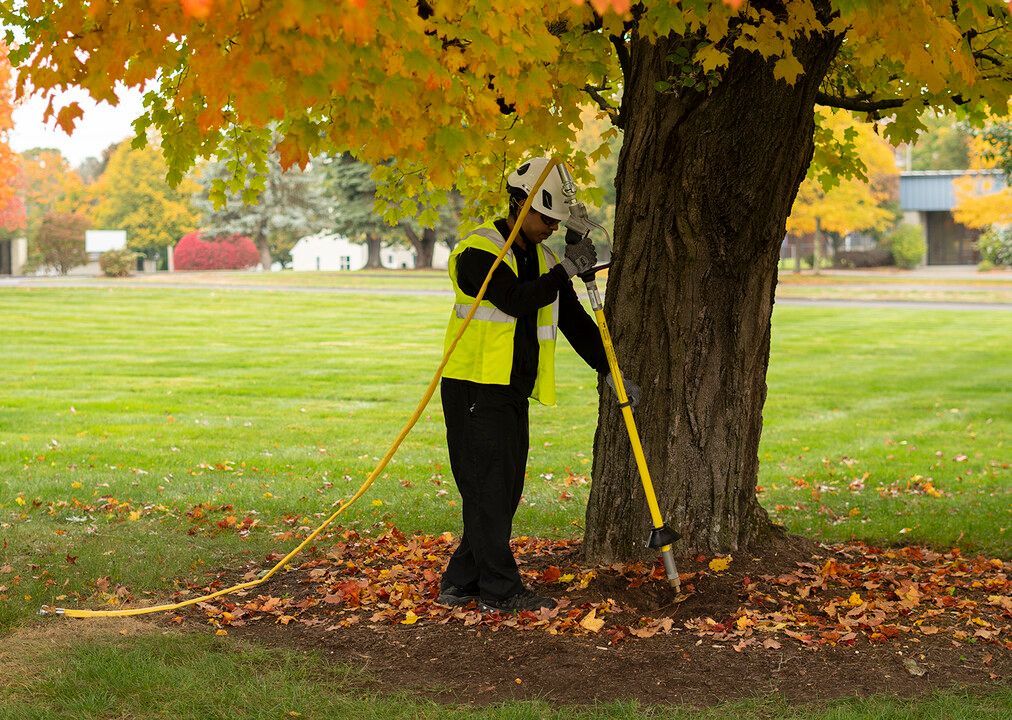
Healthy tree roots require oxygen, moisture balance, and loose, biologically active soil to function properly. In many urban and residential landscapes throughout the Puget Sound region, soils become heavily compacted from construction activity, vehicle traffic, repeated foot traffic, grading, and years of disturbance. Compacted soils restrict oxygen availability, reduce water infiltration, and limit root growth—often leading to chronic decline, reduced vigor, and increased susceptibility to pests, disease, and storm damage.
AirSpade soil decompaction uses high-pressure compressed air to safely loosen and excavate soil without damaging healthy roots. Unlike traditional digging methods, AirSpade excavation allows arborists to inspect and improve the root zone while preserving critical root structure.
Benefits of AirSpade Soil Decompaction
☑️ Improves Oxygen Availability
Loosening compacted soil allows oxygen to reach the root system more effectively, supporting healthier root growth and improved nutrient uptake.
☑️ Restores Water Infiltration & Drainage
Compacted soils often shed water rather than absorb it. Soil decompaction helps improve drainage and reduces standing water around sensitive root systems.
☑️ Reduces Construction-Related Root Stress
Trees impacted by excavation, trenching, fill soil, or nearby construction frequently experience long-term root decline. AirSpade excavation allows arborists to assess damage and improve soil conditions around stressed trees.
☑️ Root-Safe Excavation Around Sensitive Trees
AirSpade technology can safely expose root flares, locate girdling roots, and excavate around mature trees without causing the damage associated with mechanical digging.
☑️ Supports Long-Term Soil Restoration
AirSpade services are often combined with compost, arborist wood chips, biochar, and organic soil amendments to improve soil biology and rebuild healthy root zones over time.
Common Situations Where AirSpade Services Help
AirSpade root excavation is commonly used to diagnose underground root problems, reduce soil compaction, expose buried root flares, and improve long-term root zone health without damaging sensitive roots.
• Trees declining after nearby construction or excavation
• Compacted lawns and heavily trafficked root zones
• Standing water and poor soil drainage
• Root collar burial and excessive mulch buildup
• Declining evergreen trees with limited visible cause
• Preparing root zones for mulch and organic amendments
Why Root Oxygen Matters
Tree roots require oxygen exchange to survive and function properly. Compacted or waterlogged soils can reduce oxygen availability, leading to declining vigor, root decay, canopy dieback, and increased structural instability over time.
🌿 Organic Soil Amendments & Mulching
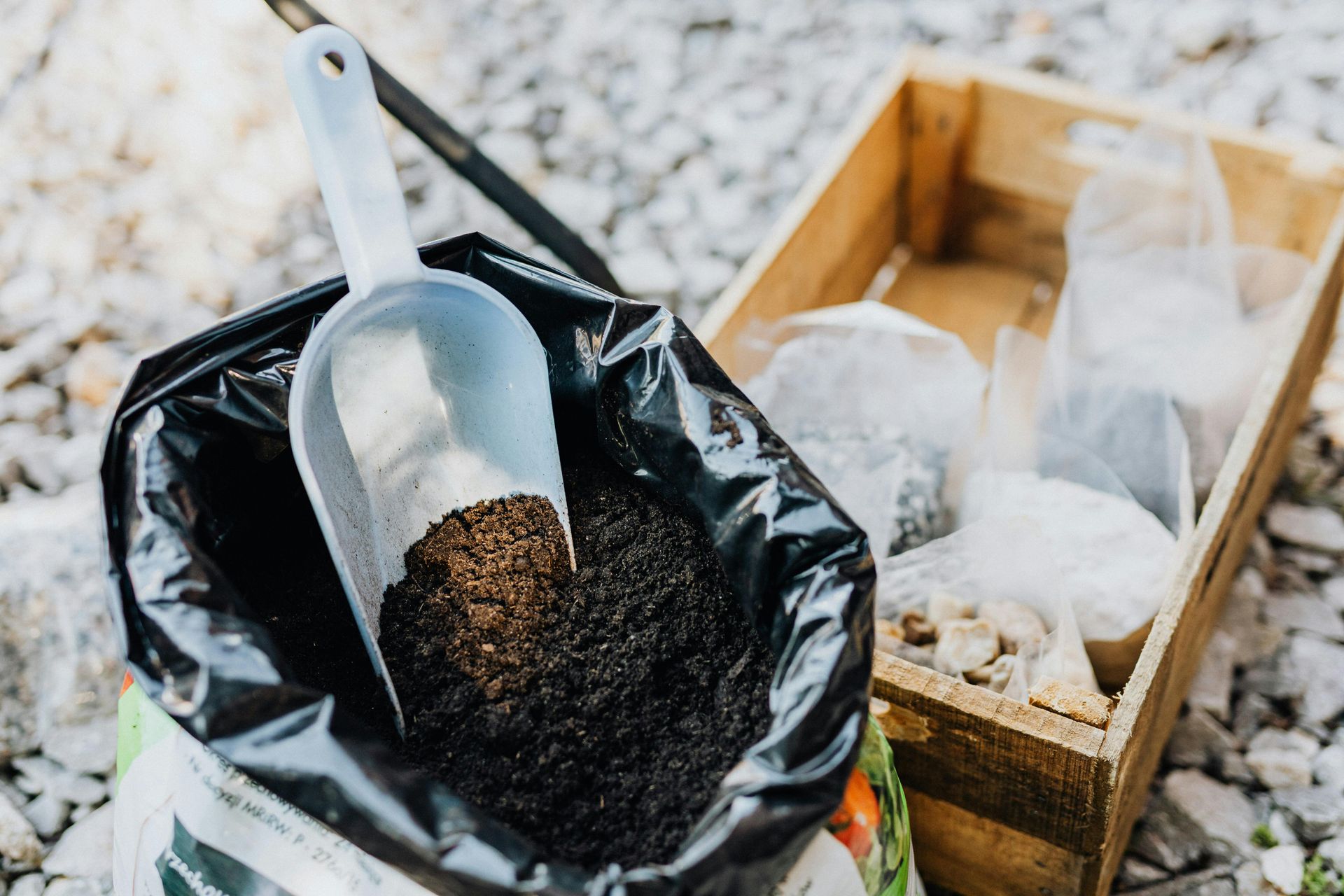
Healthy soil is the foundation of long-term tree health. In many urban landscapes throughout the Puget Sound region, soils become depleted, compacted, or biologically inactive over time due to construction, erosion, excessive disturbance, and loss of natural organic matter. Organic soil amendments and arborist mulch applications help rebuild soil structure, improve moisture retention, and support healthier root systems without relying on aggressive chemical treatments.
Proper mulch and soil restoration practices can significantly improve root zone conditions for evergreen trees, ornamental landscapes, and mature shade trees experiencing stress or decline.
Benefits of Organic Soil Amendments
☑️
Improves Soil Structure
Organic matter helps loosen compacted soils and improve water infiltration, oxygen exchange, and long-term root development.
☑️
Supports Beneficial Soil Biology
Healthy soils contain microorganisms and fungal networks that help trees absorb nutrients and resist environmental stress.
☑️
Regulates Moisture & Soil Temperature
Mulch helps reduce moisture fluctuations and protects roots from excessive summer heat and drought stress.
☑️
Reduces Surface Compaction & Erosion
Arborist wood chips create a protective layer over exposed soils, helping reduce erosion, foot traffic damage, and surface drying.
☑️
Encourages Long-Term Root Health
Organic amendments support sustainable root growth and can help improve resilience in stressed or declining trees over time.
Common Organic Soil Improvement Methods
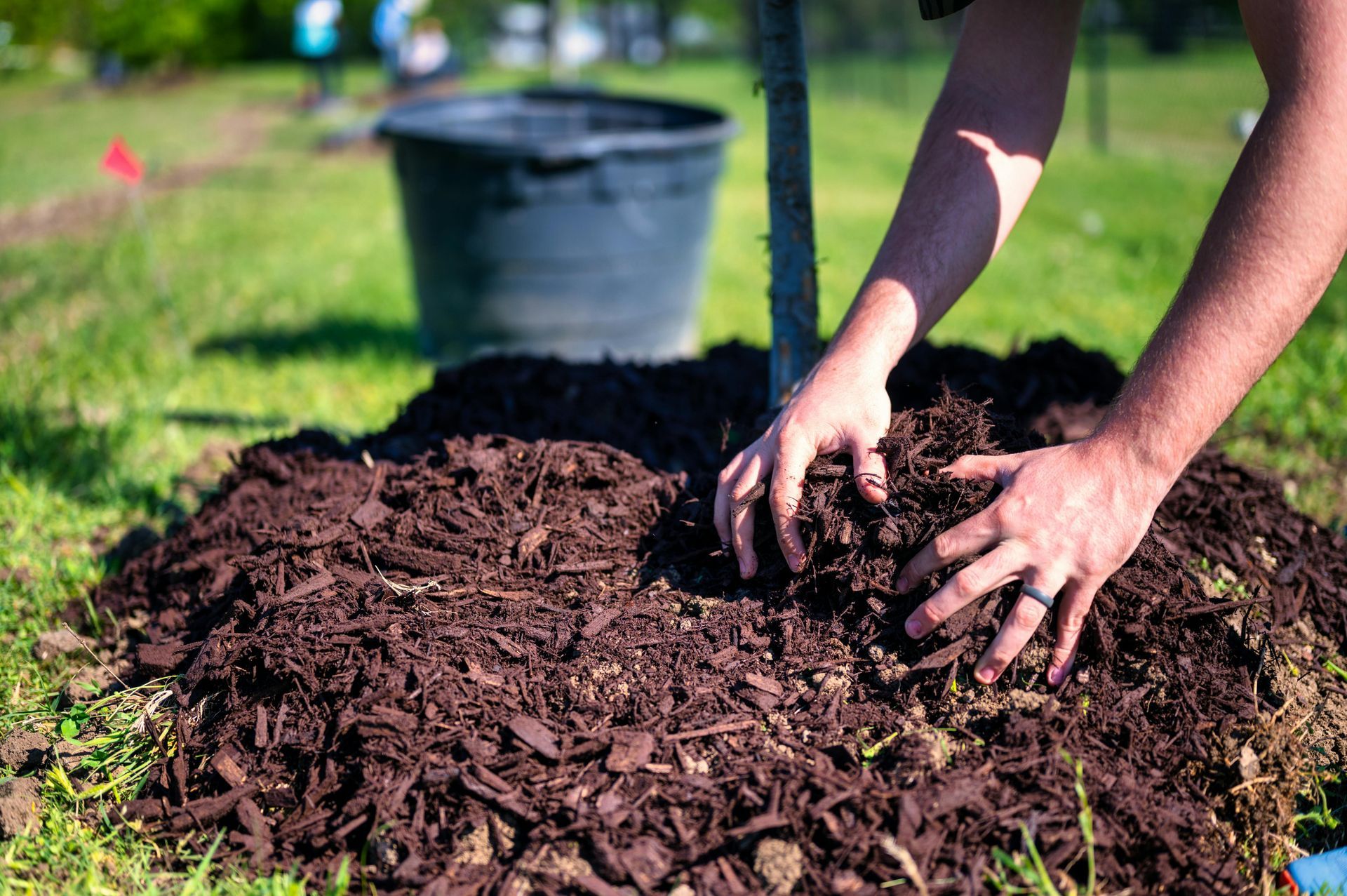
- Arborist wood chip mulch installation. Arborist wood chips are one of the best organic mulch materials for improving soil moisture retention, regulating temperature, and rebuilding healthier root zones over time.
👉 Homeowners and landscapers can also request free arborist wood chip deliveries throughout parts of the Puget Sound region.
- Compost incorporation and soil conditioning
- Biochar applications to improve soil structure and water retention
- Organic matter restoration after construction disturbance
- Root zone rehabilitation for compacted soils
- Mulch ring expansion around mature trees
Why Mulch Matters
In natural forest systems, trees continuously recycle organic matter through fallen leaves, needles, and woody debris. Urban landscapes often interrupt this natural cycle, leaving soils exposed, compacted, and biologically depleted.
Proper mulch installation helps recreate healthier forest floor conditions by insulating roots, conserving moisture, and gradually improving soil quality over time.
Common Mulching Mistakes to Avoid
⚠️
Excessive Mulch Depth (“Mulch Volcanoes”)
Piling mulch against the trunk can trap moisture, encourage decay, and contribute to root collar problems.
⚠️
Using Fresh or Poor-Quality Material
Improper mulch materials may create excessive heat, nutrient imbalance, or poor airflow within the root zone.
⚠️
Overlooking Root Zone Size
Many trees benefit from significantly larger mulch zones than what is commonly installed in residential landscapes.
👉 Learn more about proper mulch installation and evergreen tree care practices in Seattle.
🌳 Root Collar Excavation
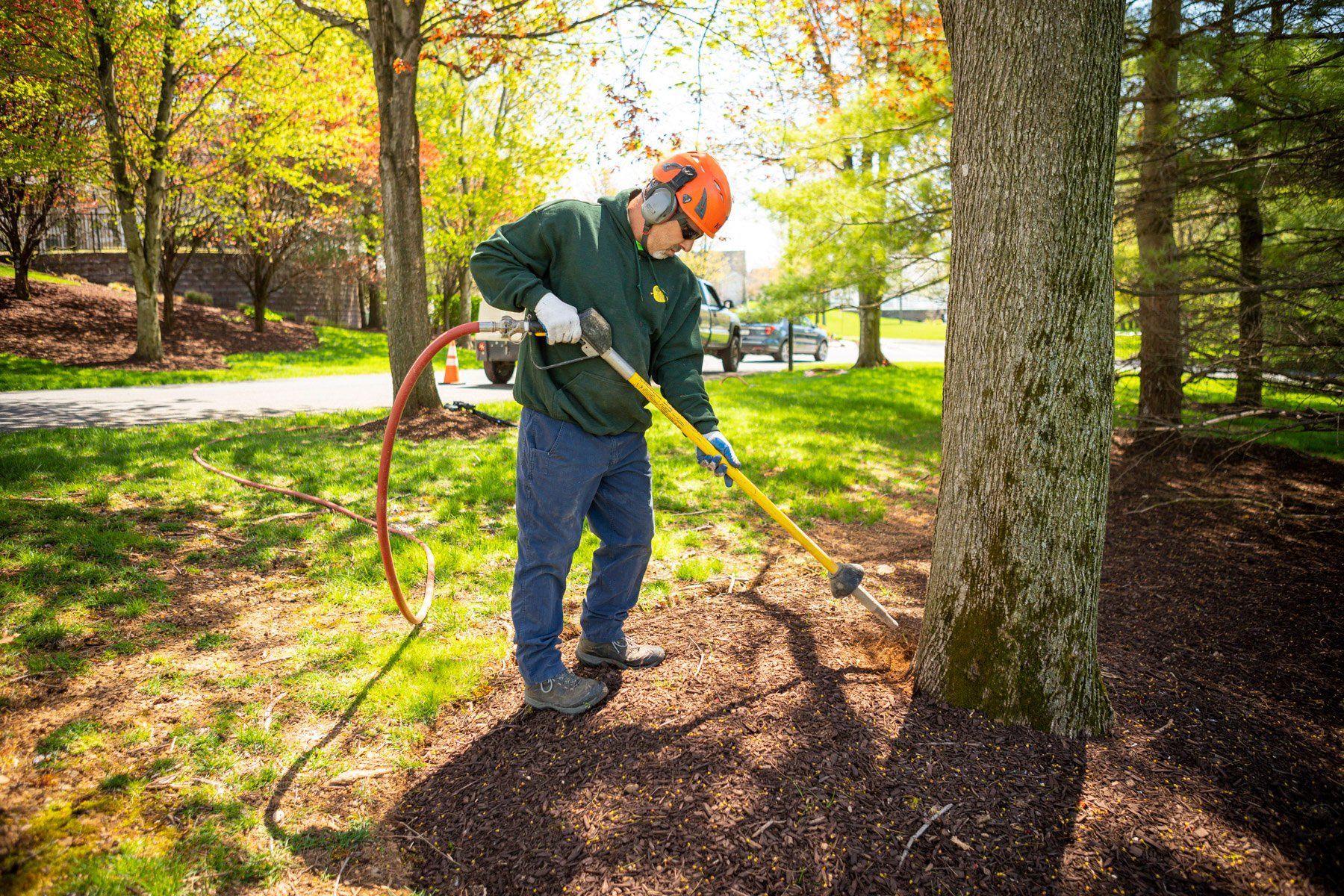
The root flare is the area where the trunk transitions into the root system at the base of the tree. In healthy trees, this flare should remain visible above the soil surface. When excess soil, mulch, or construction fill buries the root collar, trees can develop chronic stress, decay, girdling roots, and long-term structural instability.
Root collar excavation uses specialized techniques such as AirSpade excavation to safely expose buried root flares and inspect the condition of the root crown without damaging healthy roots.
Common Problems Associated With Buried Root Collars
☑️
Girdling Roots
Roots growing around the trunk can gradually compress vascular tissue, restricting water and nutrient movement over time.
☑️
Excess Moisture & Decay
Buried trunk tissue remains excessively damp and can develop fungal decay, bark deterioration, and root crown disease.
☑️
Restricted Oxygen Availability
Excess fill soil and compacted mulch layers reduce oxygen exchange around the base of the tree and contribute to declining root health.
☑️
Reduced Structural Stability
Chronic root collar problems can weaken the tree’s anchorage and increase the likelihood of failure during storms or saturated soil conditions.
Benefits of Root Collar Excavation
- Safely exposes buried root flare and root crown tissue
- Helps identify girdling roots and hidden decay
- Improves airflow and oxygen availability around the trunk base
- Supports healthier root function and long-term tree vitality
- Allows arborists to evaluate structural root conditions more accurately
Why AirSpade Excavation Matters
Traditional digging methods can damage sensitive roots and underground structures. AirSpade excavation uses compressed air to carefully remove soil while preserving root tissue, making it one of the safest and most effective tools for root collar investigations and root zone restoration.
Root collar excavation is commonly recommended for trees showing unexplained decline, excessive mulch buildup, poor growth, or symptoms associated with chronic root stress.
- 👉
Request an arborist evaluation if you suspect buried roots, excessive mulch buildup, or root collar problems may be affecting your tree’s health.
🚧 Root Zone Protection During Construction
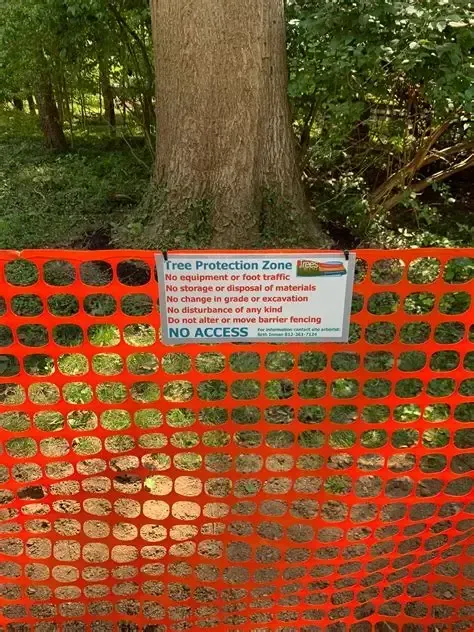
Construction activity is one of the leading causes of long-term tree decline in urban landscapes. Excavation, trenching, grading, soil compaction, and material storage within the root zone can severely damage roots and disrupt a tree’s ability to absorb water and nutrients. In many cases, tree decline caused by construction impacts may not appear until several years after the damage occurs.
Proper root zone protection helps preserve tree health, structural stability, and long-term viability during development and landscape projects.
Common Construction Impacts on Tree Roots
☑️
Soil Compaction
Heavy equipment and repeated traffic compress soil particles and reduce oxygen availability within the root zone.
☑️
Root Cutting & Excavation Damage
Trenching and grading can sever structural roots critical for water uptake and tree stability.
☑️
Grade Changes & Fill Soil
Raising or lowering soil levels within the root zone can disrupt root function and contribute to decline over time.
☑️
Material Storage Within the CRZ
Storing construction materials beneath trees often causes excessive compaction and physical root damage.
☑️
Reduced Drainage & Soil Oxygen
Construction disturbance frequently alters natural drainage patterns and increases stress within sensitive root systems.
Root Protection Strategies
- Tre Protection Zone (TPZ) fencing and tree protection plans
- Arborist oversight during excavation and grading
- Root-safe excavation using AirSpade or hydrovac
- technology
- Mulch installation to reduce compaction and moisture loss
- Root pruning recommendations when unavoidable conflicts occur
- Monitoring trees during and after construction activity
Construction Damage Often Appears Years Later
Trees impacted by construction may initially appear healthy while slowly declining below ground. Symptoms such as thinning canopies, dieback, reduced growth, and increased failure potential often develop gradually as damaged root systems struggle to recover.
- Early planning and proper root zone protection can significantly improve long-term tree retention and reduce future hazard potential.
- 👉 Learn more about
tree protection zones and
evergreen tree care practices throughout the Pacific Northwest.
🛡️ Root Barrier Installation
Tree roots naturally grow toward moisture, oxygen, and available soil space. In urban environments, this often leads to conflicts with sidewalks, foundations, driveways, utilities, retaining walls, and other hardscape features. Root barrier installation helps guide root growth away from sensitive infrastructure while preserving long-term tree health and reducing future damage.
Properly designed root barriers can be an effective solution for balancing tree preservation with infrastructure protection in residential, commercial, and municipal landscapes.
Common Situations Where Root Barriers Help
☑️
Sidewalk & Hardscape Protection
Surface roots can lift sidewalks, patios, and paved surfaces over time. Root barriers help redirect root growth deeper below grade to reduce future conflicts.
☑️
Foundation & Utility Separation
Root barriers may help reduce root intrusion near foundations, underground utilities, irrigation systems, and drainage infrastructure.
☑️
Root Zone Management in Limited Spaces
Urban planting areas often provide limited soil volume. Root barriers can help direct root growth more strategically within confined landscapes.
☑️
Protection During Landscape Renovations
Root barriers are commonly installed during new construction, sidewalk replacement, retaining wall installation, and hardscape upgrades to reduce future root-related damage.
Root Barrier Installation Considerations
- Tree species and expected root behavior
- Soil conditions and drainage patterns
- Existing hardscape and utility locations
- Available rooting space and long-term tree size
- Proper barrier depth and placement strategy
Not all root conflicts can or should be solved with root barriers alone. Improper installation or excessive root restriction may contribute to long-term tree stress if not planned carefully.
Common Properties That Benefit From Root Barriers
- Homeowner associations (HOAs)
- Municipal and public landscapes
- Cemeteries and memorial parks
- Commercial developments
- Residential properties with recurring sidewalk conflicts
Long-Term Tree & Infrastructure Planning
Root barrier systems work best when integrated into a broader tree management strategy that considers species selection, soil conditions, root zone protection, and long-term maintenance needs.
Proper planning can help reduce future infrastructure damage while preserving healthy root systems and improving long-term landscape sustainability.
👉
Request an arborist consultation to evaluate root conflicts, infrastructure concerns, and long-term root management solutions for your property.
Drainage & Saturation Issues in Pacific Northwest Soils
Trees throughout the Pacific Northwest commonly experience stress related to saturated soils, poor drainage, and limited oxygen availability within the root zone. Heavy winter rainfall, compacted urban soils, grading changes, and restricted drainage patterns can all contribute to chronic root stress and declining tree health over time.
Many tree problems that appear above ground actually originate from poor soil conditions below the surface.
Common Problems Associated With Saturated Soils
Root Suffocation
Waterlogged soil reduces oxygen around roots, limiting nutrient uptake and weakening root function.
Root Rot Risk
Persistent moisture can create favorable conditions for fungal pathogens and root crown decay.
Reduced Stability
Declining or shallow root systems may be more vulnerable during storms, high winds, and saturated conditions.
Compaction & Poor Soil Biology
Wet, compacted soil restricts root growth and reduces beneficial biological activity within the root zone.
Common Signs of Drainage Problems
- Standing water near root zones
- Moss-heavy or persistently wet soil conditions
- Yellowing foliage and reduced vigor
- Root flare burial and excessive mulch buildup
- Thin canopies and branch dieback
- Surface roots and shallow root systems
Improving Drainage & Root Zone Conditions
AirSpade & Soil Decompaction
Loosens compacted soil, improves oxygen movement, and exposes buried root flare areas without aggressive mechanical excavation.
Mulch, Soil Amendments & Root Rehabilitation
Supports healthier soil structure, moisture balance, root growth, and recovery after stress or construction impacts.
Drainage, Grading & Long-Term Management
Provides practical recommendations for correcting water movement, protecting root zones, and improving long-term site conditions.
Why Drainage Matters for Long-Term Tree Health
Healthy soils contain a balance of air, moisture, and organic matter. When soils remain excessively wet or compacted, root systems gradually decline and trees become more vulnerable to disease, pests, drought stress, and structural failure.
Improving drainage and restoring oxygen flow within the soil can significantly improve root function and long-term tree vitality.
🌲 Evergreen Tree Stress & Decline
Evergreen trees throughout the Pacific Northwest commonly experience stress related to soil conditions, drought, root disturbance, construction impacts, and changing environmental conditions. Because many evergreen species retain foliage year-round, decline often develops gradually and may go unnoticed until structural problems or significant canopy loss begin to appear.
Species such as Douglas fir, western red cedar, spruce, and hemlock each respond differently to environmental stress, but many decline symptoms originate below ground within the root zone.
Common Causes of Evergreen Tree Decline
☑️
Compacted & Oxygen-Deprived Soils
Restricted oxygen availability can weaken root systems over time and reduce a tree’s ability to absorb water and nutrients effectively.
☑️
Drought Stress & Heat Exposure
Even in the Pacific Northwest, prolonged summer drought and heat events increasingly stress evergreen trees—especially cedars, hemlocks, and shallow-rooted species.
☑️
Root Rot & Saturated Soil Conditions
Poor drainage and chronic soil saturation create favorable conditions for fungal pathogens that attack stressed root systems.
☑️
Construction & Root Disturbance
Excavation, trenching, grading, and soil compaction near mature trees can lead to long-term decline that may not appear for several years.
☑️
Overcrowding & Competition
Dense plantings and limited rooting space increase competition for water, nutrients, and oxygen within the soil profile.
Common Symptoms of Evergreen Stress
- Thinning canopy and reduced needle density
- Browning or yellowing foliage outside normal seasonal shedding
- Dead tops and branch dieback
- Reduced annual growth and sparse new shoots
- Increased susceptibility to pests and fungal pathogens
- Root flare burial and declining root vigor
Why Evergreen Trees Require Specialized Care
Many evergreen species grow large, retain significant canopy weight year-round, and are highly influenced by soil moisture and root stability. As decline progresses, stressed trees may become increasingly susceptible to windthrow, limb failure, root disease, and structural instability during storms.
Proper diagnosis is critical because symptoms commonly attributed to pests or disease may actually originate from soil compaction, drainage problems, or root system decline.
Supporting Long-Term Evergreen Health
Proactive root zone care, soil improvement, mulch installation, AirSpade decompaction, and construction protection strategies can all help reduce stress and improve long-term tree vitality.
Healthy root systems are one of the most important factors in preserving mature evergreen trees throughout Western Washington landscapes.
👉 Learn more about evergreen tree care, pruning, and decline prevention throughout the Pacific Northwest.
🔗 Explore Related Arborist & Tree Care Services
In addition to ISA Certified Arborist services, Sound Tree Care provides comprehensive, code-compliant tree services throughout Seattle. Explore our core service areas below to learn how our arborists support safe tree management and informed decision-making.
Arborist Service Hub
Arborist Consulting & Tree Assessments
Professional arborist evaluations, tree risk assessments, construction consulting, preservation planning, and long-term tree management recommendations.
Tree Pruning & Structural Care
ISA Certified Arborist services including tree risk assessments, inspections, arborist reports, and expert guidance for Seattle properties.
Tree Risk Assessment
Professional assessment of structural defects, root problems, declining trees, and potential failure risks.
Evergreen Tree Care
Specialized care for firs, cedars, spruce, hemlock, and other evergreen species throughout the Pacific Northwest.
Root Barrier Installation
Solutions for sidewalks, hardscapes, foundations, and infrastructure conflicts involving tree roots.
Stump Grinding & Root Removal
Professional stump grinding and root management services to restore usable space and reduce regrowth issues.
Hedge & Privacy Plant Care
Professional hedge trimming, privacy plant maintenance, and long-term health care for ornamental landscapes.
Root Removal & Root Cutting Services
Tree roots sometimes need to be cut, pruned, or removed to accommodate new sidewalks, retaining walls, utility installations, foundations, driveways, patios, and other construction projects. However, root cutting should never be treated as a simple excavation task.
⚠️ Important:
Large tree roots contribute to stability, structural support, and long-term health. Cutting major roots too close to the trunk can increase the risk of decline, canopy dieback, or structural instability. In the Pacific Northwest, where large conifers regularly exceed 100 feet in height, improper root cutting can create significant safety and liability concerns.
Our ISA Certified Arborists evaluate root size, species, tree condition, site conditions, and proximity to structures before recommending root pruning or removal. In many cases, there are alternatives that achieve project goals while reducing risk to the tree.
✂️ Root Pruning
Selective root pruning may allow construction projects to proceed while preserving tree health and structural stability.
💨 Air Spading
Air excavation exposes roots without causing mechanical damage, allowing arborists to identify critical roots before cutting decisions are made.
💧 Hydro Excavation
Hydro-vac and soft excavation methods can expose underground root systems and utilities while minimizing disturbance to surrounding soil.
Whether you're installing a retaining wall, replacing a driveway, constructing a foundation, or addressing roots near property improvements, our arborists can help determine whether root cutting is appropriate and identify alternatives when preservation is the better option.
Root Protection Barriers & Trenching Near Trees
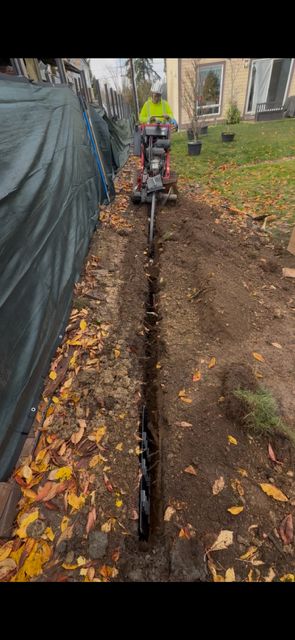
Construction projects often require excavation near existing trees for retaining walls, utilities, foundations, sidewalks, driveways, and other property improvements. Before trenching begins, it is important to identify and protect critical structural roots that contribute to tree health and stability. Root protection barriers, root pruning, air spading, hydro excavation, and arborist-directed trenching methods can help reduce root damage while allowing construction to proceed. Our ISA Certified Arborists routinely evaluate excavation plans and recommend practical solutions that balance project goals with long-term tree preservation.
⚠️ Tree Stability Warning
Improper root cutting can permanently damage or destabilize large trees. Arborist evaluation before excavation helps reduce risk and preserve long-term tree health.
Improper root cutting can permanently damage or destabilize large trees. Arborist evaluation before excavation helps reduce risk and preserve long-term tree health.
🌱 Plant Health Care & Root Zone Restoration FAQs
Whether you're dealing with compacted soil, declining trees, drainage issues, or construction-related root damage, proper root zone care plays a major role in long-term tree health. These FAQs cover common questions about soil health, AirSpade services, mulch, root stress, and plant health care throughout the Pacific Northwest.
🌬️ What is AirSpade soil decompaction?
AirSpade soil decompaction uses high-pressure compressed air to safely loosen compacted soil around tree roots without damaging healthy root systems. This process improves oxygen availability, water infiltration, and root growth while allowing arborists to inspect buried root flares, girdling roots, and underground root conditions.
AirSpade services are commonly used for:
Compacted soils
- Root collar excavation
- Construction-related root stress
- Drainage problems
- Root zone restoration
- Soil improvement projects
🌱 How do I know if my tree has root stress?
Many root problems develop below ground long before visible decline appears in the canopy. Common symptoms of root stress include:
Thinning foliage or sparse canopy
Yellowing or browning leaves and needles
Dead branch tips or dieback
Slow growth and reduced vigor
Standing water near the root zone
Buried root flare or excessive mulch buildup
Root stress is often associated with soil compaction, poor drainage, construction impacts, drought stress, or root rot.
🍂 Is mulch good for trees?
Yes—when properly installed, mulch is one of the best ways to improve soil health and protect tree roots. Arborist wood chips help conserve moisture, regulate soil temperature, reduce compaction, and support beneficial soil biology.
However, excessive mulch piled against the trunk (“mulch volcanoes”) can contribute to decay, root problems, and poor oxygen exchange around the root collar.
🚧 Can construction damage tree roots?
Absolutely. Excavation, trenching, grading, heavy equipment traffic, and soil compaction can severely impact root systems and long-term tree health. In many cases, symptoms of construction damage may not appear until several years later.
Proper root zone protection and arborist oversight during construction projects can significantly improve long-term tree preservation.
🌧️ Why is poor drainage harmful to trees?
Tree roots require oxygen to survive. In saturated soils, oxygen levels drop dramatically, weakening root systems and increasing the likelihood of root rot, fungal disease, and structural instability.
Poor drainage is especially problematic in compacted urban soils common throughout the Pacific Northwest.
🌳 What is root collar excavation?
Root collar excavation is the process of exposing the root flare at the base of a tree after it has been buried by excess soil, mulch, or construction fill. Buried root collars can contribute to girdling roots, decay, poor oxygen exchange, and long-term decline.
AirSpade excavation is commonly used to safely expose root crowns without damaging healthy roots.
🛡️ What are root barriers used for?
Root barriers help guide root growth away from sidewalks, foundations, utilities, retaining walls, and other infrastructure. They are commonly installed during construction projects, landscape renovations, and sidewalk repairs to help reduce future root conflicts.
Proper design and placement are important to avoid restricting healthy root development.
🌲 Can compacted soil kill a tree?
Yes. Severe soil compaction can limit oxygen availability, water infiltration, and root expansion to the point that trees gradually decline over time. Compacted soils are one of the most common hidden causes of tree stress in urban landscapes.
Early soil restoration and root zone care can often improve tree health before severe decline occurs.
🌿 What types of trees benefit from plant health care services?
Most trees can benefit from improved soil and root zone conditions, but evergreen trees such as Douglas fir, cedar, spruce, and hemlock are especially sensitive to drainage problems, compaction, drought stress, and root disturbance.
Plant health care services are commonly recommended for:
- Mature shade trees
- Evergreen trees
- Trees impacted by construction
- Trees showing decline symptoms
- Urban landscapes with compacted soil
📍 Do you provide plant health care services outside Seattle?
Yes. We provide plant health care, root zone restoration, AirSpade services, and arborist consulting throughout the greater Puget Sound region and Western Washington.
🌱 Looking for More Arborist & Tree Care Resources?
Visit our full
Tree Service FAQ for detailed guidance on tree removal costs, permit requirements, pruning best practices, storm damage cleanup, emergency tree service, stump grinding, and tree law across Seattle, Bellevue, Renton, Kent, and the greater Puget Sound area.
Explore our additional arborist guides covering evergreen tree care, tree pruning, stump grinding, tree risk assessment, construction-related tree protection, and long-term tree preservation throughout the Puget Sound region.
Whether you're dealing with compacted soil, declining trees, drainage issues, or planning a construction project near mature trees, our ISA Certified Arborists provide practical, science-based guidance to help support healthier root systems and long-term tree vitality.
👉 Browse additional tree care resources and arborist service guides throughout Western Washington.
🌿 Plant Health Care Services in Seattle
Concerned about declining trees, pests, disease, or poor growth? Sound Tree Care provides professional Plant Health Care services to diagnose problems early and improve long-term tree health. Our ISA Certified Arborists help property owners protect valuable trees through science-based evaluation and practical recommendations.
✅ Plant Health Care Services
🌱 Tree Health Evaluations
🪲 Pest & Insect Diagnosis
🍄 Disease Identification
🌳 Root & Soil Assessments
💧 Drought & Stress Management
⭐ Why Choose Sound Tree Care
📋 ISA Certified Arborists
🔬 Science-Based Recommendations
🏡 Residential & Commercial Properties
📍 Serving Seattle & Puget Sound
📝 Request an Online Quote:
Client Hub
📞Call us now at
206-486-7790– Click to call!
View more