
Improved Views Without Tree Removal
We open sightlines through selective pruning—preserving mature trees whenever possible while restoring the view that gradual canopy growth can block over time.
ISA Certified Arborists · Licensed · Bonded · Insured
4.8★ Google rating · 260 reviews
Vista pruning—also known as view pruning or view clearing—is a specialized arboricultural technique used to preserve scenic views while protecting tree health and structural integrity. Our ISA Certified Arborists use selective, ANSI A300–compliant pruning methods to improve sightlines without topping, over-thinning, or compromising long-term tree stability. When performed correctly, vista pruning balances views, tree longevity, and municipal tree regulations—especially important in hillside and urban environments throughout the Puget Sound region.
⭐ ISA Certified Arborist-led Projects • Permit-Aware Tree Work • Fully Licensed & Insured in Washington
Vista pruning—also known as view pruning or view clearing—is one of the most misunderstood forms of tree care. When done improperly, it can weaken trees, create long-term safety risks, or violate local tree regulations. When done correctly, it preserves scenic views while maintaining tree health, structure, and compliance.
This page is written and reviewed by ISA Certified Arborists with hands-on experience performing vista pruning throughout Washington State. Our arborists routinely work on view-sensitive properties where sightlines must be improved without resorting to topping, over-thinning, or biologically unsound cuts.
Comcast RISE 2025 award badge recognizing Sound Tree Care for innovation and small business impact
2025 Nextdoor Neighborhood Fave badge for outstanding tree care service in local communities
When evaluating trees for vista pruning, our arborists document and assess:
Proper vista pruning is not about removing as much canopy as possible—it’s about making precise, defensible cuts that respect how trees grow over time. Our recommendations are grounded in arboricultural science, ISA Best Management Practices, and real-world experience navigating view concerns, neighbor expectations, and permit-regulated environments.
While this page does not provide legal advice, it reflects established arboricultural standards, and the practical considerations property owners encounter when improving views without compromising tree safety, compliance, or longevity.
Vista pruning—also known as view pruning or view clearing—is a selective pruning technique used to improve sightlines while preserving the health, structure, and longevity of trees. Over time, trees naturally grow taller and denser, gradually blocking views that were once open when a home was first built or purchased.
Rather than aggressive cutting or topping, proper vista pruning focuses on strategic limb selection, directional pruning, and canopy management. The goal is to open views through the canopy—not remove trees outright—while maintaining structural stability and minimizing stress on the tree.
At Sound Tree Care LLC, our ISA Certified Arborists evaluate each tree individually, taking into account species, growth patterns, site conditions, and long-term maintenance needs. Whenever possible, we prioritize pruning solutions that enhance views without compromising tree health or creating future hazards. Tree removal is considered only when pruning is not a viable or responsible option.
Vista pruning is one of several specialized trimming services we provide. For structural pruning, clearance trimming, canopy management, and other tree-care needs, explore our professional tree trimming services in Seattle.
Vista pruning (also called view pruning or view clearing) improves sightlines while protecting tree health, structure, and long-term performance. Here’s what professional, arborist-led vista pruning delivers.
We open sightlines through selective pruning—preserving mature trees whenever possible while restoring the view that gradual canopy growth can block over time.
ANSI A300–aligned cuts help reduce stress and maintain strong branch structure—avoiding the weak regrowth and instability commonly caused by topping or over-thinning.
We plan with future growth in mind, using species-specific strategies that keep views open longer and reduce the need for frequent, aggressive follow-up work.
Selective pruning can reduce overextended limb weight and improve crown balance—helping lower failure risk near homes, driveways, and high-use outdoor areas.
In permit-regulated areas, improper pruning can create compliance issues. Our approach respects local rules and accepted arboricultural standards to help avoid costly mistakes.
Every project starts with an on-site evaluation. We determine what can be responsibly removed, whether phased pruning is smarter, and when alternatives beat aggressive cutting.
Tip: Vista pruning is not a one-size-fits-all service—your best outcome depends on tree species, structure, site conditions, and long-term goals.
Vista pruning—also known as view pruning or view clearing—is a selective, arborist-led approach to improving sightlines while preserving tree health, structure, and long-term stability.
When done correctly, vista pruning improves views without compromising the biological integrity or safety of the tree.
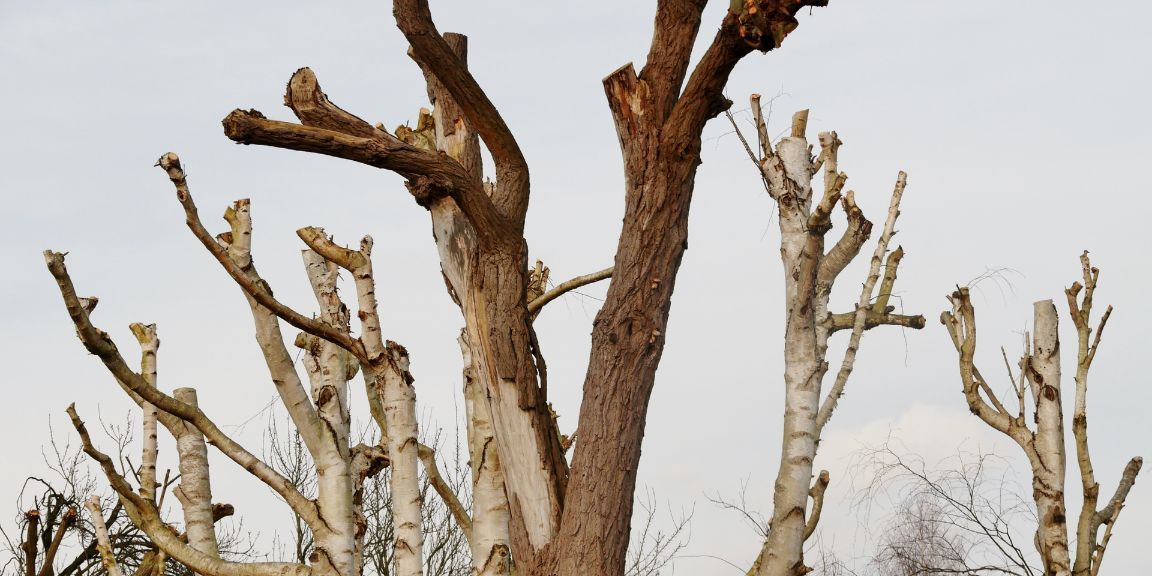
Tree topping involves cutting large portions of a tree’s canopy indiscriminately. This practice is not recognized as a professional pruning method and is widely discouraged by certified arborists.
To learn more about why topping is harmful and why professionals avoid it, see our detailed guide on
Choosing between vista pruning and aggressive cutting is not just about aesthetics—it’s about long-term tree health, safety, and responsibility. A certified arborist evaluation helps determine what pruning is biologically appropriate, code-compliant, and sustainable over time. In many cases, selective vista pruning can restore views without introducing the long-term risks associated with topping or over-pruning.
Vista pruning is often confused with tree topping, but the two practices have very different impacts on tree health, safety, and long-term performance. Understanding why topping is harmful—and why certified arborists avoid it—helps clarify why proper view pruning relies on selective, standards-based techniques rather than aggressive cutting. The guide below explains these differences in more detail.
Vista pruning is most commonly requested in view-sensitive and covenant-regulated communities, where maintaining sightlines is required or strongly encouraged. Our ISA Certified Arborists regularly perform view pruning and view clearing using selective, standards-based techniques that protect tree health while restoring views.
The service areas below are organized by Seattle neighborhoods and surrounding Puget Sound communities, reflecting where view management is most common and most regulated.
Seattle’s diverse topography—including hillsides, waterfronts, and dense urban neighborhoods—creates unique challenges for view management. We provide vista pruning and view clearing throughout Seattle, with experience navigating neighborhood-specific conditions, tree protections, and municipal requirements.
Explore the sections below to see the Seattle neighborhoods where we regularly perform view-focused pruning.
In addition to Seattle, Sound Tree Care LLC provides vista pruning and view clearing services throughout the greater Puget Sound region, particularly in communities with established view corridors, height restrictions, or HOA and covenant requirements.
We frequently work in Eastside, hillside, and waterfront communities—supporting homeowners, HOAs, and property managers who are required to actively maintain trees to preserve views. Our arborists understand how local regulations, covenants, and long-term tree growth intersect, and we tailor each pruning plan accordingly.
Explore the sections below to find your community.
From precision vista pruning to long-term view maintenance in hillside and waterfront communities, Sound Tree Care LLC has helped property owners restore and preserve sightlines throughout the Puget Sound region. Our interactive project map highlights real jobs completed by our ISA Certified Arborists—each representing careful planning, responsible pruning, and a view restored the right way.
Explore the map to see where we’ve performed view pruning, selective canopy reduction, and long-term tree management in communities where maintaining views matters.
Vista pruning often raises questions about tree health, safety, and local requirements—especially in view-sensitive or covenant-regulated communities. The answers below address some of the most common concerns we hear from property owners, neighbors, and HOAs, based on real-world arborist assessments throughout the Puget Sound region. While every site is different, these FAQs reflect established arboricultural standards and practical considerations involved in improving views responsibly and sustainably.
Vista pruning—also called view pruning or view clearing—is a selective pruning technique used to improve sightlines while preserving tree health and structure. Rather than removing entire trees or cutting back the canopy indiscriminately, an arborist selectively removes specific limbs that obstruct views, following ANSI A300 pruning standards.
No. Vista pruning and tree topping are fundamentally different practices. Vista pruning uses targeted, arborist-led cuts to improve views while maintaining tree stability and biological function. Tree topping involves indiscriminate cutting and is widely discouraged by certified arborists due to the long-term risks it creates, including weak regrowth and increased failure potential.
In many municipalities and planned communities, vista pruning is not only allowed—it is required. Certain neighborhoods and jurisdictions have height limits, view protection standards, or covenants that obligate property owners to actively manage tree growth to preserve views.
For example, in communities such as Normandy Park, Somerset, and Innis Arden, homeowners are often required to maintain trees below specific height thresholds or prevent vegetation from obstructing designated view corridors. In these cases, ongoing pruning—including vista pruning—is part of complying with community standards, not avoiding them.
Even outside covenant-controlled neighborhoods, many municipalities allow selective pruning while restricting harmful practices such as topping or excessive canopy removal. A certified arborist evaluation helps ensure that required or permitted vista pruning is performed in a way that is biologically appropriate, structurally sound, and consistent with applicable regulations or covenants.
In short, the question is often not whether vista pruning is permissible, but how it should be done responsibly to meet both tree health standards and local requirements.
When performed incorrectly, any pruning can harm a tree. However, when vista pruning is performed by an ISA Certified Arborist using proper techniques, it is designed to minimize stress, maintain structural integrity, and support long-term tree health. The key is selective pruning—not excessive removal.
The frequency of vista pruning depends on tree species, growth rate, and site conditions. Some trees require only occasional maintenance, while others may need periodic touch-ups as they grow. Arborist-led planning helps extend the time between pruning cycles and avoid increasingly aggressive work over time.
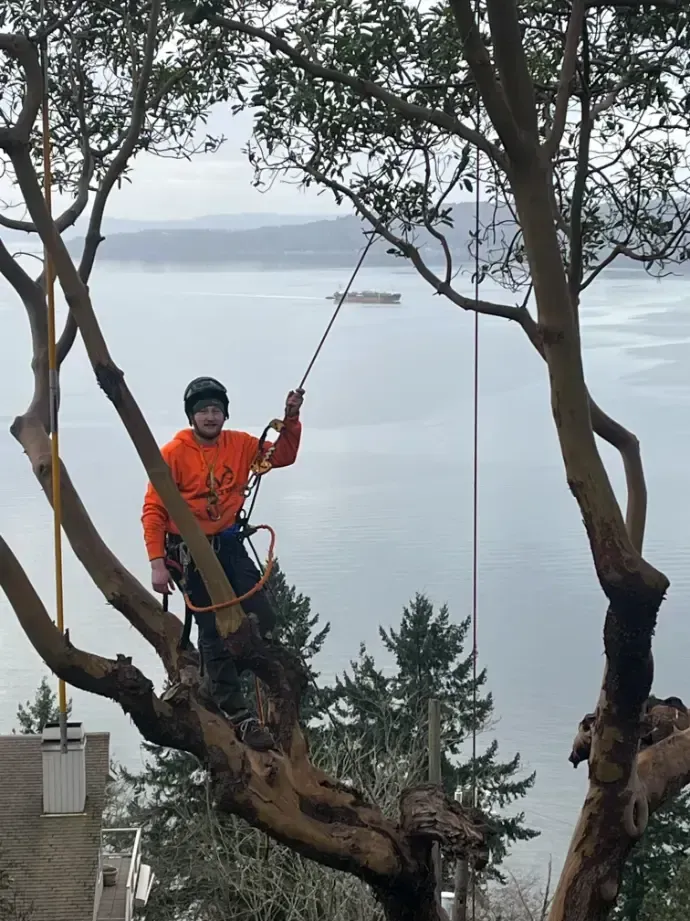
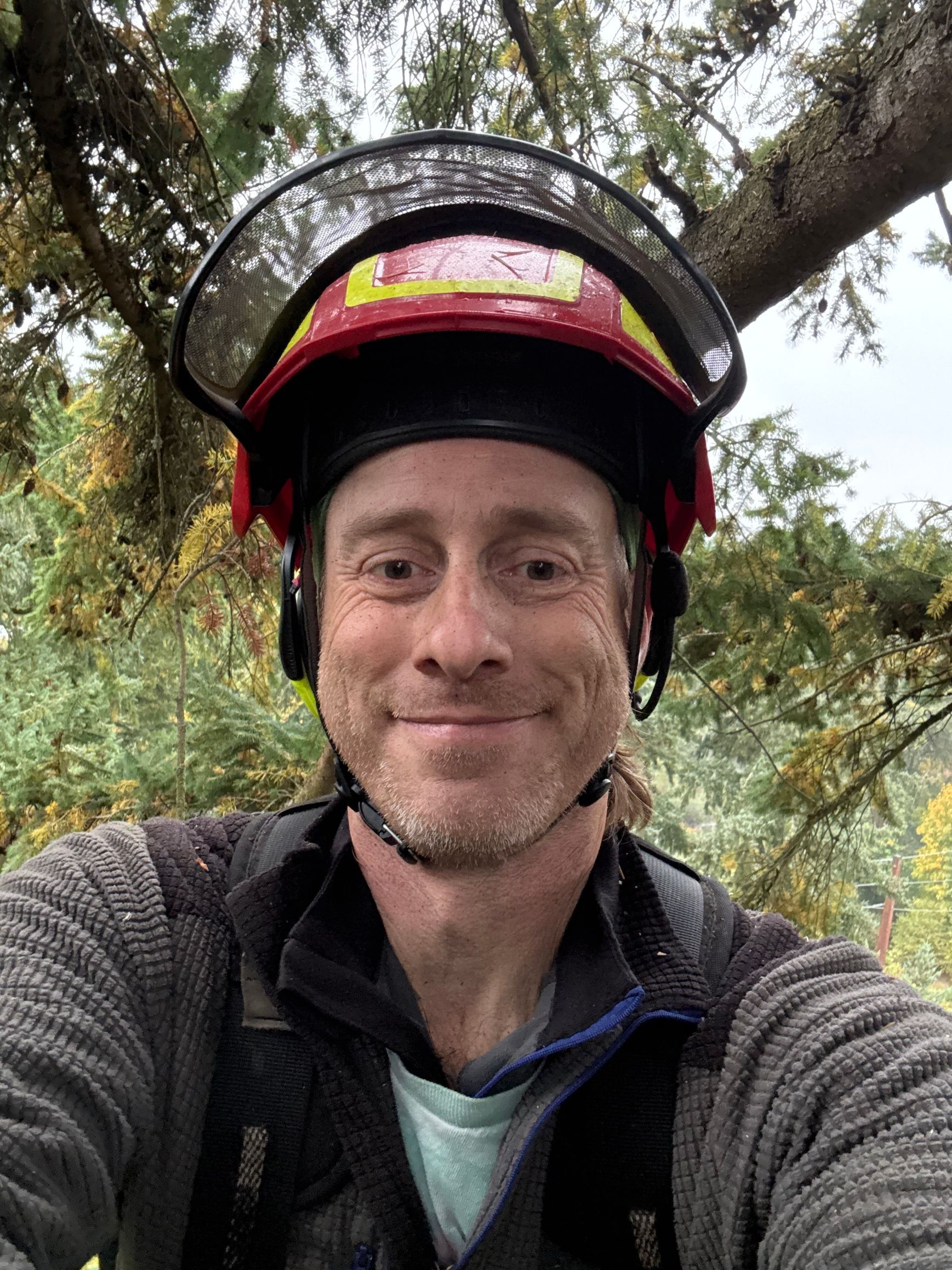
Whether your trees have gradually grown into your sightlines or you’re required to maintain views under local regulations or covenants, professional vista pruning can help. Sound Tree Care’s ISA Certified Arborists specialize in view pruning and view clearing that preserves tree health, structural stability, and long-term safety—without resorting to topping or aggressive cutting.
✔ Arborist-Led Vista & View Pruning
✔ ANSI A300–Compliant Pruning Methods
✔ Experience with View Corridors, Hillsides & Covenant Communities
✔ Long-Term Planning to Maintain Views Responsibly
🌟
ISA Certified Arborists | TRAQ-Qualified
🌟
Trusted by Homeowners Across the Puget Sound Region
🌟
Licensed, Insured & Code-Conscious
📞 Call us now at
206-486-7790 – Speak with a certified arborist about your views
📝 Request a Vista Pruning Assessment:
Client Hub
Sound Tree Care LLC Operations
(Not Open to Public)
3057 S 146th St SeaTac, WA 98168
Office Hours
Mon–Fri: 8:00 AM – 4:00 PM