🟢 Native Insects
Beneficial members of a healthy ecosystem
- Naturally occur in Washington ecosystems
- Help pollinate flowers or prey on harmful insects
- Usually become problematic only when trees are stressed
- Support healthy forests, soil, and wildlife
ISA Certified Arborists · Licensed · Bonded · Insured
4.8★ Google rating · 253 reviews

Written By: Eric Ledford
ISA Certified Arborist – PN-9290A
ISA Qualified Tree Risk Assessor (TRAQ)
An ISA Certified Arborist can identify invasive species, explain the best removal options, and help prevent regrowth.Serving Seattle, Bellevue, Tacoma, Issaquah and surrounding communities.
Washington is home to a wide variety of insects that can damage trees, shrubs, and fruit-bearing plants. Some are invasive species that spread rapidly, while others are native pests that become destructive under the right conditions. This guide explains how to identify the most common tree pests found in Washington State, recognize the warning signs of insect damage, and know when professional arborist evaluation is recommended.
Tree pests are insects and other organisms that feed on leaves, bark, sap, roots, flowers, or fruit, reducing a tree's health and ability to thrive. While many insects are harmless—or even beneficial—others can weaken trees, reduce fruit production, spread disease, or cause permanent damage if left unmanaged.
Washington homeowners commonly encounter pests such as Emerald Ash Borer, Bronze Birch Borer, Hemlock Woolly Adelgid, Tent Caterpillars, Aphids, and Codling Moth. Some are invasive species capable of spreading rapidly, while others are native insects that become destructive when tree health is already compromised or environmental conditions favor large populations.
Tree pests don't all damage trees the same way. Some bore beneath the bark, others feed on leaves or sap, and some attack fruit before it ripens. Learning to recognize the early warning signs can help prevent long-term damage and, in many cases, avoid the need for costly tree removal.
Not every insect found on a tree is a pest. Many native insects are important pollinators or natural predators that help maintain healthy ecosystems. Correct identification is the first step before deciding whether treatment or removal is necessary.
Not all tree pests are easy to spot. Many insects spend most of their lives hidden beneath bark, inside branches, or feeding on sap and roots before visible symptoms appear. Learning to recognize the early warning signs of insect activity can help you identify problems sooner, protect valuable trees, and avoid more extensive damage.
Often caused by leaf-feeding insects such as tent caterpillars, sawflies, and some beetles. Heavy feeding can weaken trees by reducing their ability to produce energy through photosynthesis.
Small holes, sawdust-like frass, or tunnels beneath the bark may indicate wood-boring insects such as Emerald Ash Borer, Bronze Birch Borer, or bark beetles.
Aphids, scale insects, and adelgids feed on tree sap and often leave behind honeydew, a sticky residue that encourages black sooty mold to grow on leaves and branches.
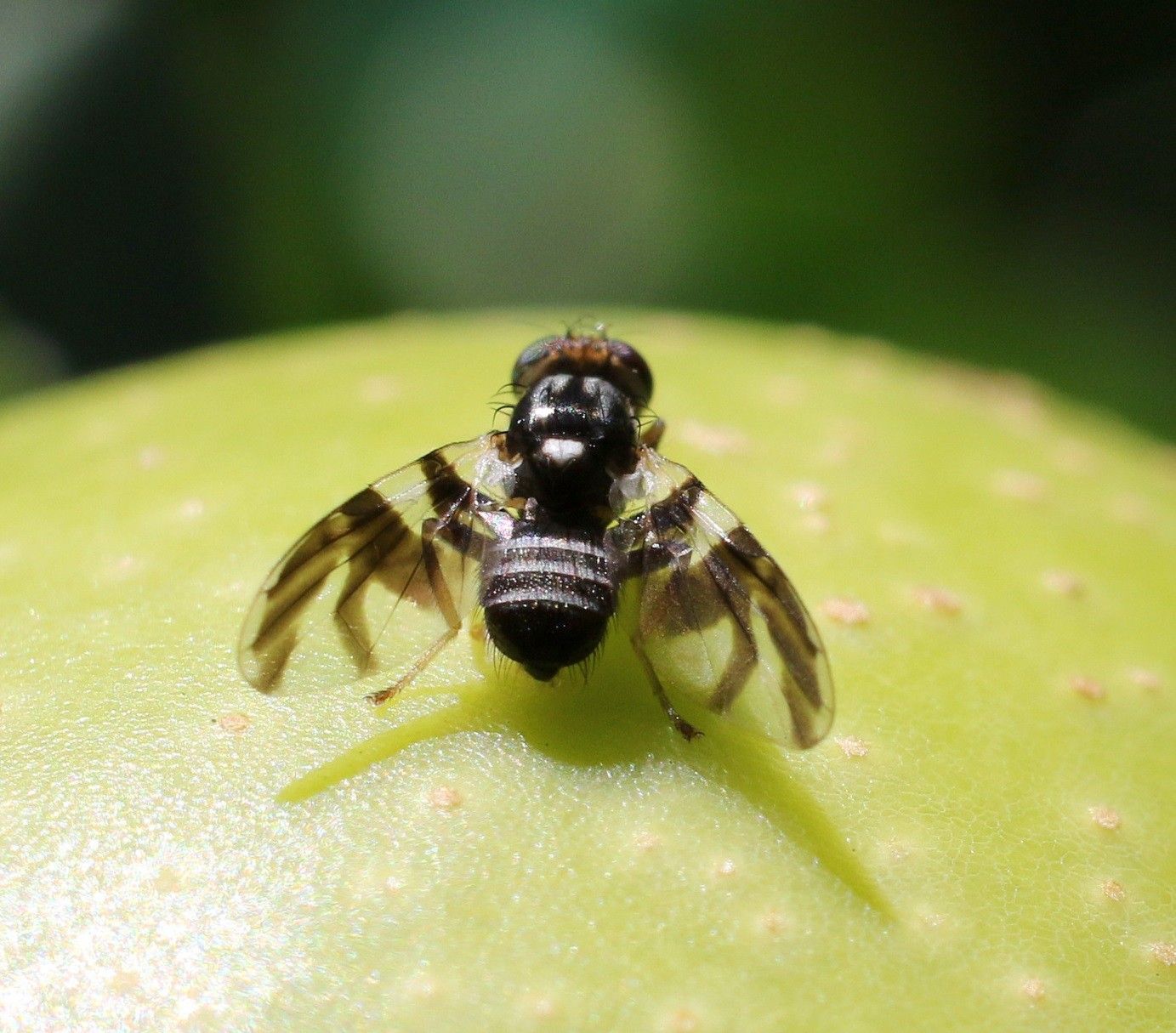
Small holes, soft spots, worms, or early fruit drop may indicate pests such as Apple Maggot, Codling Moth, or Cherry Fruit Fly.
When insects repeatedly feed on bark, sap, or foliage, trees may begin showing thinning canopies, dead branches, stunted growth, or overall decline. While these symptoms can also be caused by drought or disease, insect damage is an important possibility to investigate.
Early detection is one of the best ways to protect valuable trees. If you notice multiple symptoms—such as thinning foliage, exit holes, sap flow, or repeated insect activity—an ISA Certified Arborist can help determine whether insects, disease, or environmental stress is causing the problem before permanent damage occurs.
Not every insect on a tree is harmful.
Many native insects play an important role in healthy landscapes. Invasive tree pests, however, often arrive without the natural predators that keep them in balance, allowing them to spread quickly and damage trees, forests, and urban landscapes.
Beneficial members of a healthy ecosystem
Non-native insects that can spread rapidly
Washington trees can be affected by many insects, but a handful of pests cause most of the damage homeowners notice. Some feed on leaves, others tunnel beneath bark, weaken trees by feeding on sap, or damage fruit before it ripens. Below are common tree pests found in Washington State, with identification tips, signs of damage, and notes on when arborist evaluation may be appropriate.
Arborist insight: Early detection is critical. By the time ash decline is obvious, internal damage may already be severe.
Arborist insight: Birch trees under drought stress are more vulnerable. Improving tree health early can reduce risk.
Arborist insight: Hemlock issues are often misdiagnosed as drought or general decline without a close branch inspection.
Arborist insight: A single outbreak may look dramatic but is not always fatal. Tree condition and repeated damage matter most.
Service note: We can help assess tree health and pruning needs, but fruit pest spraying may require a licensed pest-control provider.
Arborist insight: This pest is more of a landscape and fruit issue than a tree-structure issue, but it is worth identifying correctly.
Upload 2–3 clear photos of the affected leaves, bark, branches, fruit, or the entire tree. An ISA Certified Arborist will help identify the likely pest, explain the damage you're seeing, and recommend the best next steps to protect your tree.
Already know the pest? We can also evaluate the tree's condition and recommend pruning, monitoring, treatment options, or removal when necessary.
Have questions about tree pests or insects damaging your trees? This FAQ answers the questions we hear most often from Washington homeowners—from identifying common tree pests to understanding when professional arborist evaluation is recommended. The information below combines current Washington guidance with practical advice from an ISA Certified Arborist.
Tree pests are insects and other organisms that feed on leaves, bark, sap, roots, flowers, or fruit, reducing a tree's health and ability to thrive. While many insects are harmless—or even beneficial—others can weaken trees, reduce fruit production, spread disease, or eventually kill trees if infestations become severe. Learning to identify common tree pests early can help protect valuable trees and reduce the need for costly corrective work.
Some of the most common tree pests found in Washington include Emerald Ash Borer, Bronze Birch Borer, Hemlock Woolly Adelgid, Western Tent Caterpillars, Brown Marmorated Stink Bug, Apple Maggot, Codling Moth, and aphids. Each pest affects different tree species and causes different symptoms, ranging from leaf damage and sap loss to branch dieback, bark injury, and declining tree health.
Early signs of tree pest activity include chewed or skeletonized leaves, sticky sap or honeydew, holes in bark, sawdust-like frass, thinning foliage, branch dieback, premature leaf drop, and damaged fruit. Because many insects produce similar symptoms, proper identification is often necessary before deciding whether treatment, monitoring, or no action is appropriate.
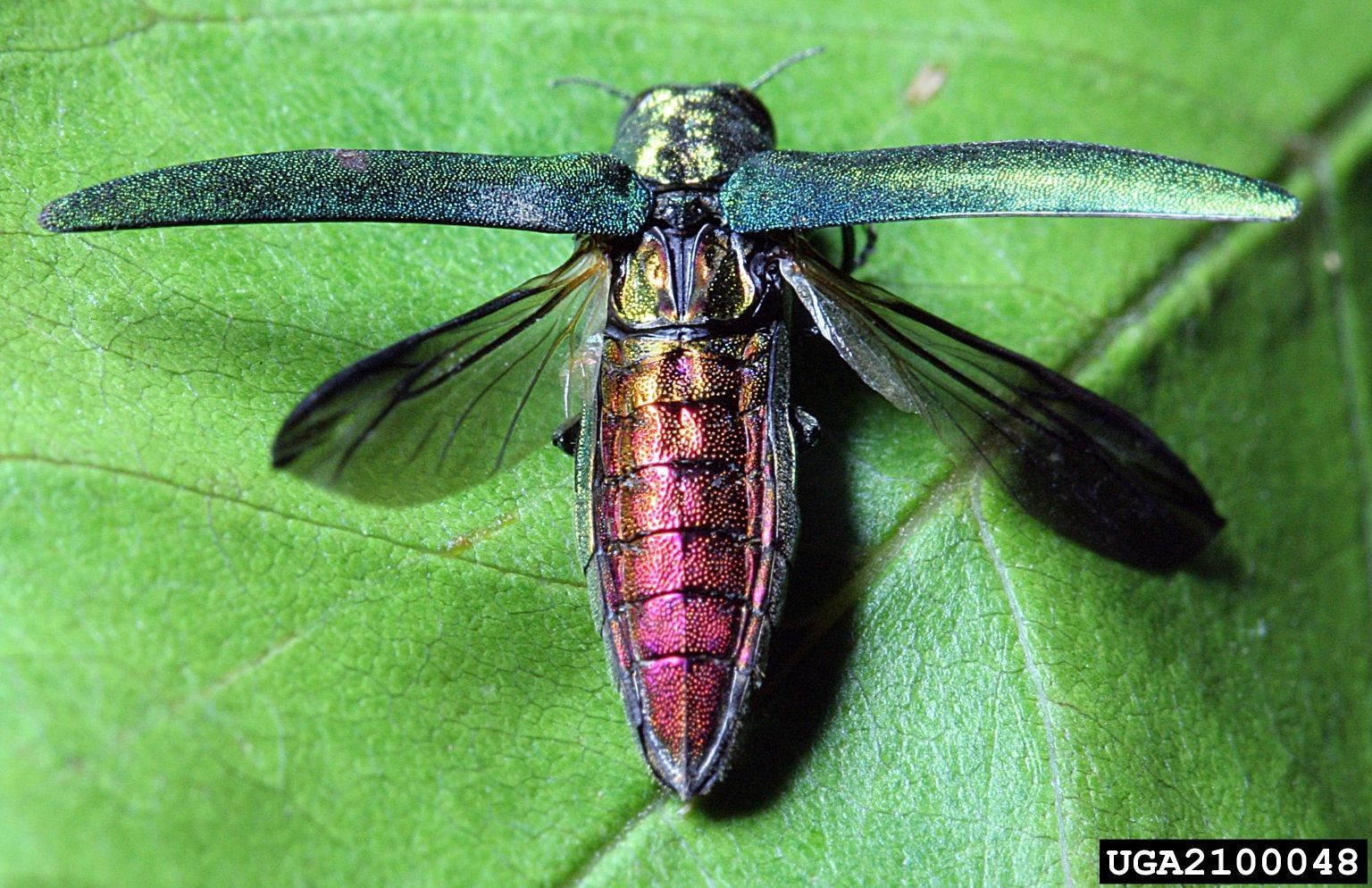
Emerald Ash Borer is an invasive wood-boring beetle that attacks ash trees by feeding beneath the bark. The larvae disrupt the tree's ability to move water and nutrients, eventually causing canopy thinning, branch dieback, and death if left unmanaged. Although this pest has devastated millions of ash trees across North America, it remains an emerging concern for the Pacific Northwest, making early detection especially important.
You should contact an arborist if you notice rapid canopy decline, repeated insect activity, extensive leaf loss, holes in the bark, dying branches, excessive sap flow, or signs that valuable trees may be under stress. Early evaluation can often prevent additional damage and help determine whether pruning, monitoring, improved tree care, or removal is the safest course of action.
In many cases, yes. Healthy trees can often recover from minor insect feeding if the problem is identified early and the tree receives proper care. Severe infestations, repeated defoliation, or wood-boring insects can cause lasting damage if left untreated. An ISA Certified Arborist can evaluate the tree's overall condition and recommend the most appropriate management strategy.
Worms found inside apples are often caused by pests such as Apple Maggot or Codling Moth. These insects lay eggs on developing fruit, and the larvae feed inside the apple as it matures. Infested fruit may develop soft spots, tunnels, premature drop, or internal decay. Proper orchard sanitation, monitoring, and integrated pest management are often recommended to reduce future infestations.
Small holes in tree bark may indicate the presence of wood-boring insects such as Emerald Ash Borer, Bronze Birch Borer, or bark beetles. These insects create tunnels beneath the bark where larvae feed on living tissues. However, holes can also be caused by woodpeckers, mechanical injury, or disease, making accurate diagnosis important before treatment decisions are made.
Yes. An ISA Certified Arborist can often identify common tree pests by examining the damage, host tree species, and insect activity. In many cases, clear photographs of leaves, bark, branches, fruit, or the insects themselves are enough for an initial assessment. If needed, an on-site inspection can help determine the extent of the damage and recommend appropriate management options.
You should contact an arborist if you notice rapid canopy decline, repeated insect activity, extensive leaf loss, holes in the bark, dying branches, excessive sap flow, or signs that valuable trees may be under stress. Early evaluation can often prevent additional damage and help determine whether pruning, monitoring, improved tree care, or removal is the safest course of action.
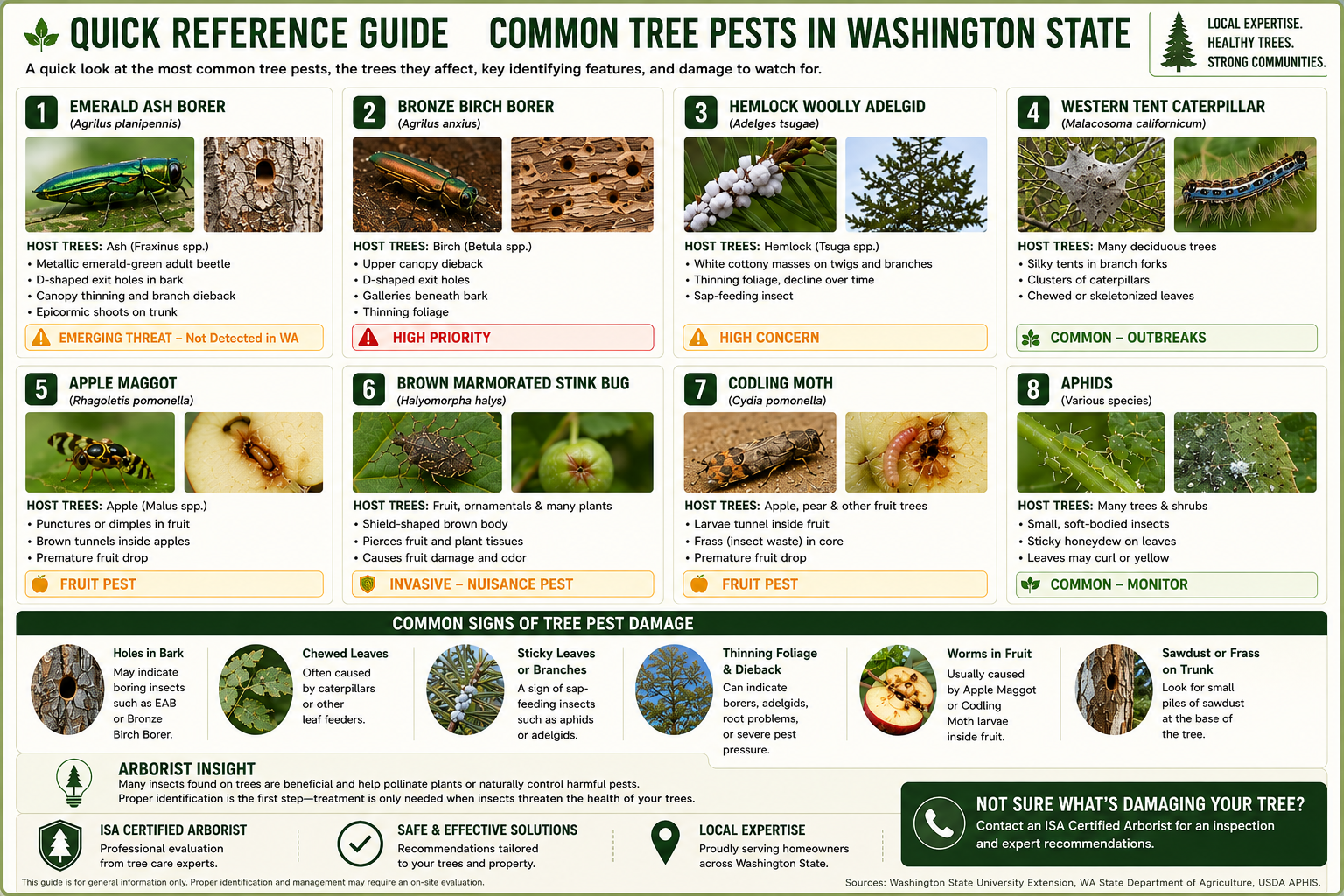
Each tree pest has its own life cycle, preferred host trees, and signs of damage. These quick profiles help Washington homeowners recognize common pest issues before they become more serious.
Although Emerald Ash Borer has not yet been confirmed in Washington State, it has been detected in neighboring Oregon and British Columbia. This invasive beetle feeds beneath ash tree bark, disrupting water and nutrient movement until affected trees show canopy thinning, branch dieback, and decline.
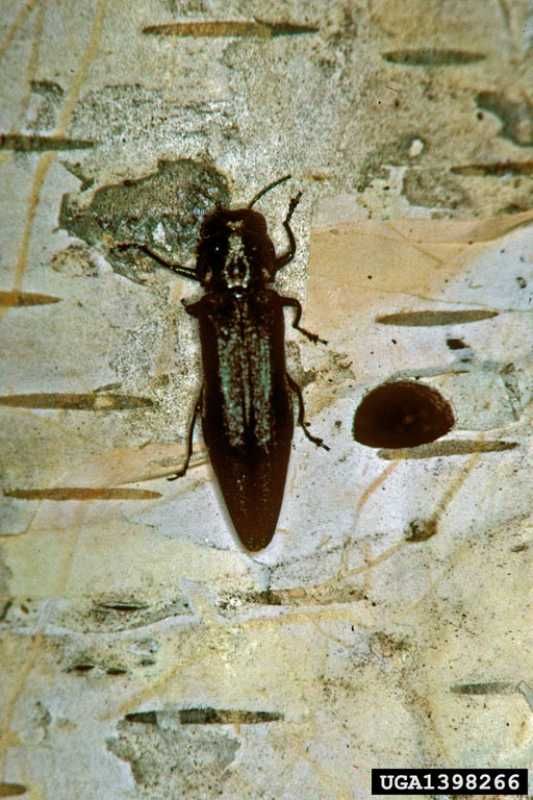
Bronze Birch Borer is one of the most common causes of birch decline in urban landscapes. Larvae tunnel beneath the bark, often causing upper canopy dieback, thinning foliage, and D-shaped exit holes. Stressed birch trees are especially vulnerable.
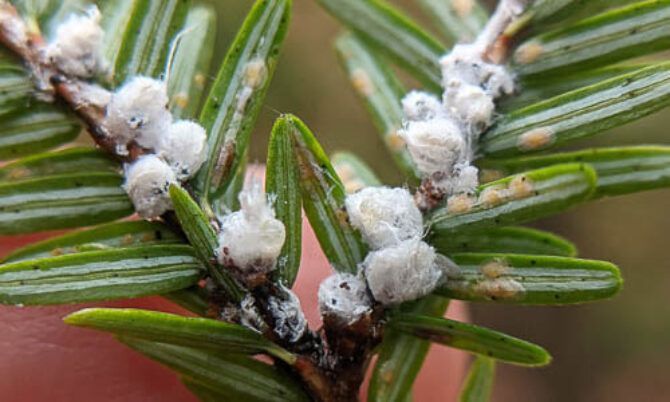
Hemlock Woolly Adelgid appears as small white, cotton-like masses near the base of hemlock needles. Repeated sap feeding can weaken trees over time, reduce vigor, and cause thinning foliage that is sometimes mistaken for drought stress.
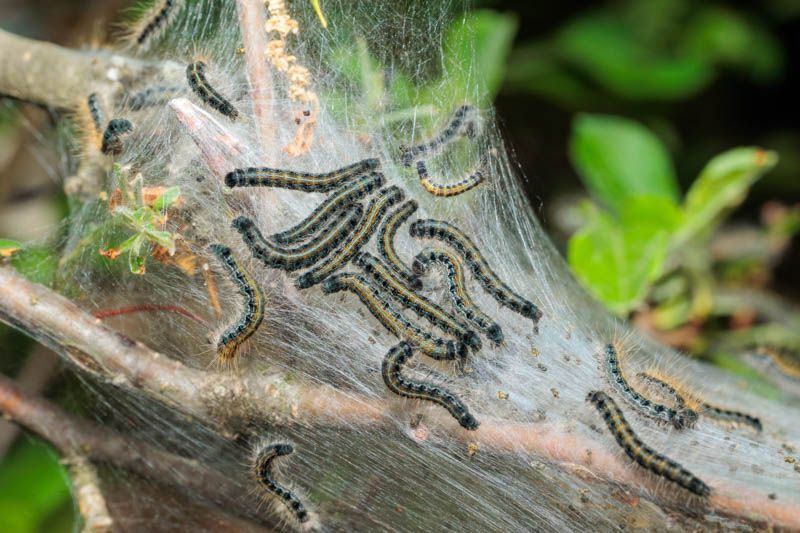
Western Tent Caterpillars create silky tents in branch forks during spring. Large populations can chew or strip leaves from deciduous trees. Healthy trees often recover from one outbreak, but repeated defoliation can reduce vigor.
Apple Maggot larvae develop inside ripening apples, creating brown tunnels that make fruit soft, discolored, and unsuitable for eating. Home orchard owners may notice dimples or puncture marks before internal damage becomes obvious.
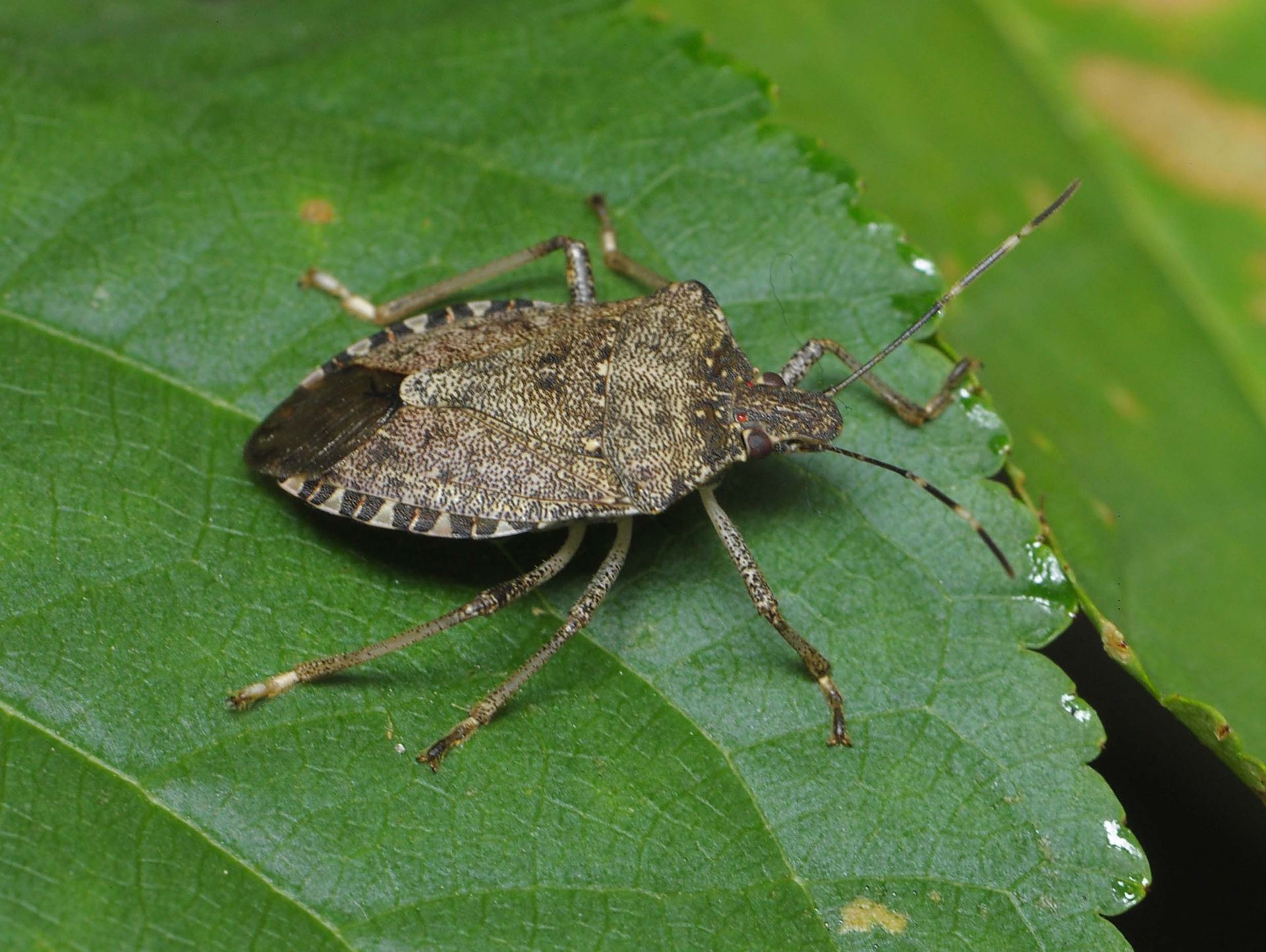
Brown Marmorated Stink Bug feeds on fruit, vegetables, ornamentals, and many landscape plants. It rarely threatens tree structure, but it can damage developing fruit and become a nuisance when large numbers enter homes in fall.
Need a printable overview? This infographic summarizes the most common tree pests found in Washington State, their identifying characteristics, common host trees, and the warning signs every property owner should know.
📥 Save or share this quick reference guide for identifying common tree pests in Washington State.
While the pests above account for many of the insect problems homeowners encounter, several other insects can damage Washington trees, shrubs, and fruit crops. These species are worth recognizing because they may become locally significant depending on the tree species, weather conditions, and time of year.
Bark beetles are native insects that primarily attack stressed, drought-affected, storm-damaged, or recently injured conifers. While healthy trees can often resist attack, large bark beetle outbreaks can contribute to widespread tree mortality when forests are already under environmental stress. Early signs include small exit holes, boring dust (frass), and fading needles.
Cherry Fruit Fly is a common pest of sweet and tart cherry trees throughout Washington. Larvae develop inside ripening cherries, making fruit unsuitable for eating or preserving. Home orchard sanitation and timely monitoring can help reduce future infestations.
Sawfly larvae resemble caterpillars but belong to a different insect group. They feed on leaves of many ornamental trees and shrubs and, during heavy outbreaks, can remove significant amounts of foliage. Although healthy trees often recover, repeated defoliation can weaken young or stressed trees.
Washington's tree pest landscape continues to change as invasive insects expand their range and environmental conditions shift. Regular inspections, proper tree care, and early identification remain the best ways to protect valuable landscape trees before insect damage becomes severe.
If you're seeing holes in the bark, thinning leaves, sticky sap, dying branches, or unusual insect activity, an ISA Certified Arborist can help identify the cause before permanent damage occurs. We'll inspect the tree, determine whether insects, disease, or environmental stress is responsible, and recommend the most appropriate management plan for your property.
Whether the solution is monitoring, pruning, improving tree health, or removing a hazardous tree, we'll help you make an informed decision based on the condition of your trees—not guesswork.
✓ ISA Certified Arborists
✓ Licensed & Insured
✓ Tree Health & Risk Assessments
✓ Tree Pruning & Removal
✓ Honest Management Recommendations
📍 Serving Seattle, Bellevue, Tacoma, Issaquah & surrounding communities.
Sound Tree Care LLC Operations
(Not Open to Public)
3057 S 146th St SeaTac, WA 98168
Office Hours
Mon–Fri: 8:00 AM – 4:00 PM
24/7 Emergency Tree Service
ISA-Certified Arborists Serving Seattle
✅ Tree Removal
✅ Tree Pruning
✅ Stump Grinding
✅ Arborist Reports
✅ Tree Risk Assessments