A homeowner and contractor guide to understanding, scheduling, and using ISA Qualified Tree Risk Assessments (TRAQ) in Seattle, Bellevue, and across the Puget Sound.
🪓 Why Tree Risk Matters
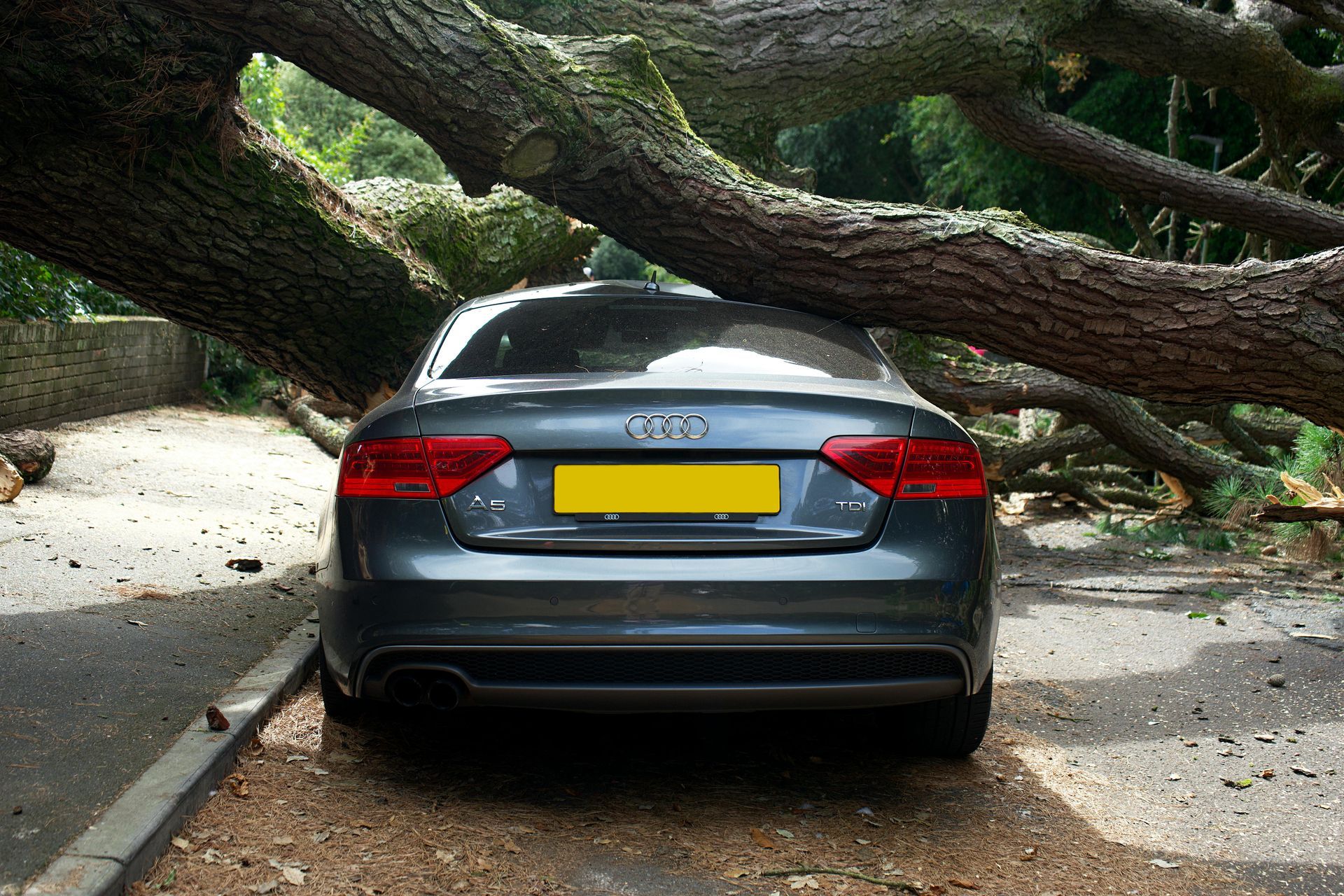
Western Washington’s beautiful trees add shade, value, and character to our properties — but they can also become hazards. Severe storms, heavy rain, snow, and saturated soils can lead to limb failure or full tree collapse. For homeowners, HOAs, and contractors, knowing when a tree poses a risk can save thousands in damage, prevent injuries, and avoid permit delays.
That’s where a Tree Risk Assessment comes in.
🌳 What Is a Tree Risk Assessment?
A tree risk assessment evaluates the likelihood of tree failure and the potential consequences if a branch, trunk, or whole tree fails.
Unlike a basic tree inspection, a TRAQ assessment uses a structured method to evaluate defects, targets, site conditions, and risk level.
⚠️ When Do You Need a Tree Risk Assessment?
Homeowners often request a tree risk assessment after storm damage, when a tree is leaning, before construction, during permit review, or when a tree is near a home, driveway, sidewalk, or utility line.
It is also useful when you need documentation for a city, HOA, insurance company, or neighbor dispute.
🔍 What Happens During the Assessment?
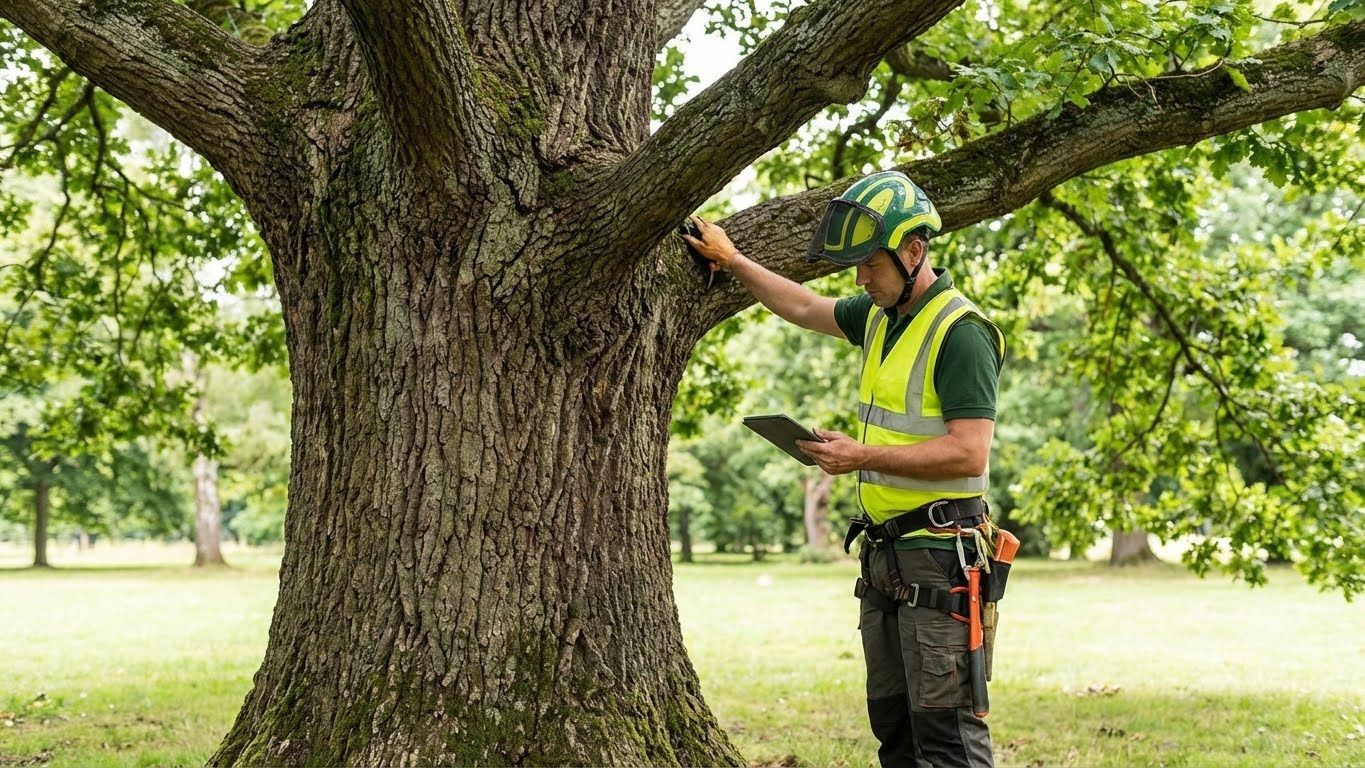
An arborist evaluates tree structure, visible defects, decay, root conditions, canopy weight, site exposure, and nearby targets.
The assessment may include risk ratings, mitigation options, pruning recommendations, monitoring guidance, or a written arborist report when documentation is needed.
🏛️ How Cities Use Tree Risk Assessments
Washington cities may request tree risk documentation before approving removal of regulated, exceptional, landmark, or protected trees.
Risk assessments can also support permit applications, construction planning, tree protection plans, and code compliance decisions.
💰 Cost & Timeline Expectations
Tree risk assessment cost depends on the number of trees, site complexity, documentation needs, travel time, and whether a formal written report is required.
Simple evaluations may be completed quickly, while permit-related reports or multi-tree assessments usually require more time and documentation.
🎓 Why Hire an ISA Certified, TRAQ-Qualified Arborist?
A TRAQ-qualified arborist uses a recognized risk assessment process instead of guesswork.
This helps homeowners, cities, insurers, and property managers make better decisions about pruning, monitoring, preservation, or removal.
🌲 What Is a Tree Risk Assessment (TRAQ)?
A
Tree Risk Assessment is a formal evaluation performed by an ISA Certified Arborist with Tree Risk Assessment Qualification (TRAQ). It’s a standardized, science-based method for determining the likelihood of tree failure and the consequences if it occurs.
During the process, the arborist assigns a risk rating — Low, Moderate, High, or Extreme — and provides clear recommendations such as pruning, cabling/bracing, monitoring, or removal.
TRAQ is important because:
- Cities and insurers trust it.
- It follows International Society of Arboriculture (ISA) and ANSI A300 standards.
- It provides defensible documentation if disputes arise.
📅 When You Need a Tree Risk Assessment
You may need a formal assessment if you’re:
- Planning construction or remodeling near mature trees.
- Seeking a tree removal permit — many cities require a professional risk rating to approve removal.
- Managing trees near homes, roads, or utilities where failure could cause injury or damage.
- Buying or selling property with large trees — inspections can influence real estate negotiations.
- Responding to visible defects like cracks, decay, fungus, or leaning.
- Handling insurance or legal matters after storm damage.
🔍 What Happens During an Assessment
Our ISA Certified Arborists follow a step-by-step TRAQ method:
- Site Visit & Visual Inspection
- Measure trunk diameter at 4.5 feet (DSH).
- Inspect roots, trunk, canopy, and soil conditions.
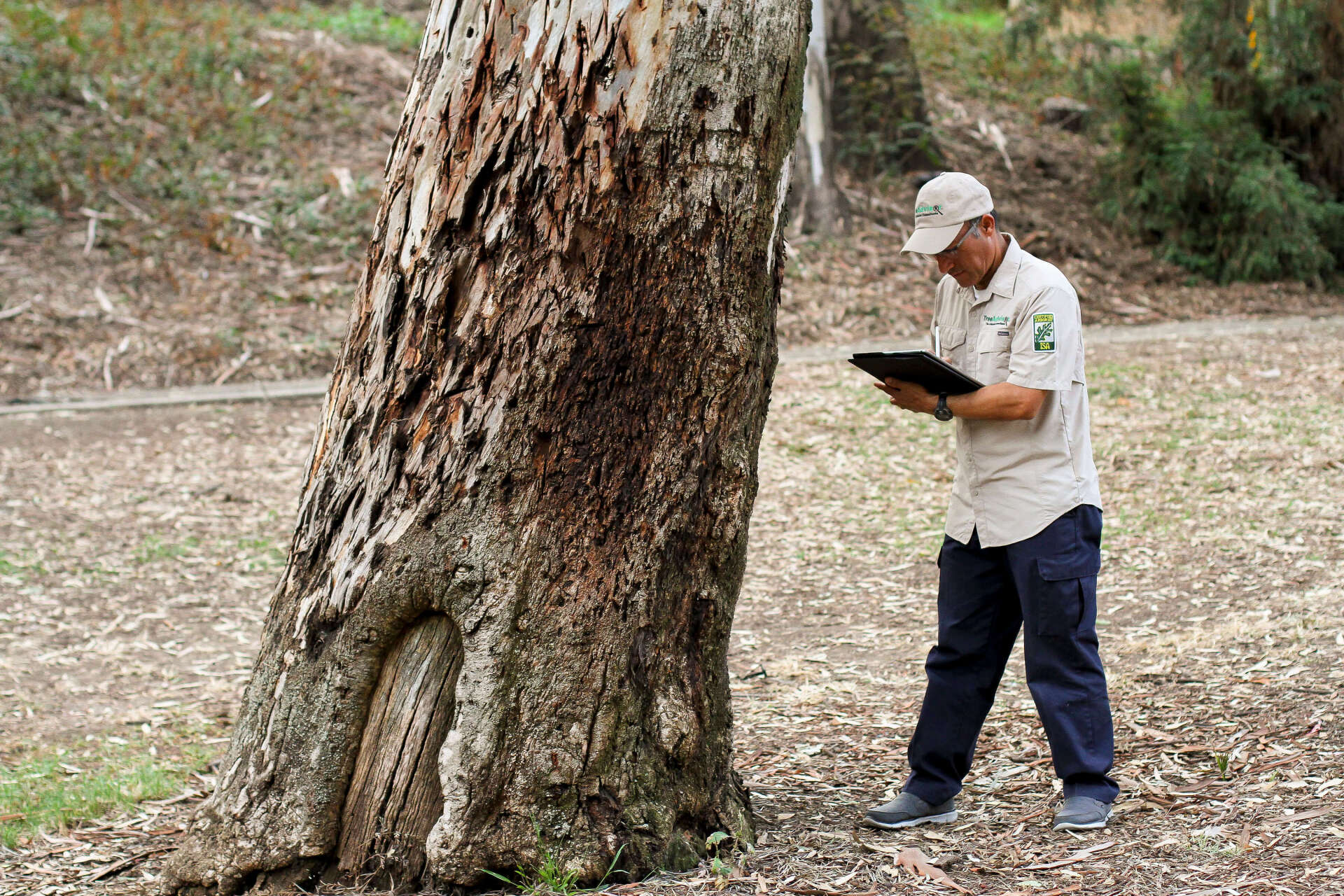
- Note signs of decay, fungal fruiting bodies, cracks, and lean.
- Advanced Tools (When Needed)
- Mallet sounding, soil probe, Nikon Forestry Pro rangefinder for height/canopy spread.
- Resistograph or drill to detect internal decay in high-value cases.
- Risk Rating & Report
- Use the
official ISA TRAQ form to document likelihood of failure and consequences.
- Provide Low / Moderate / High / Extreme rating
with recommendations.
- Consultation & Next Steps
- Explain options: pruning, cabling, monitoring, or safe removal.
- Provide documentation for permit applications or insurance.
🏛️ When Cities Require Tree Inspections & Risk Assessments
Cities such
as Seattle, Bellevue, Renton, Mercer Island, and Issaquah often require an ISA Certified Arborist’s report to justify tree removal or construction impact on significant trees.
Providing a TRAQ-based risk assessment:
- Increases the chance of permit approval when removal is necessary.
- Helps you negotiate modified Tree Protection Zones (TPZs) on tight lots.
- Creates a defensible record if disputes or insurance claims arise.
The exact requirements vary by city and project. Starting with a professional tree inspection helps determine what documentation is needed before submitting permit applications or beginning construction.
💰 Cost & Timeline Expectations
Most residential
tree risk assessments in the Seattle and Puget Sound area are priced based on the number of trees, site accessibility, travel, and whether a formal written report is required for permits, insurance, or legal documentation.
Typical expectations include:
- Tree risk assessment cost: Simple single-tree assessments generally cost less than multi-tree inspections or detailed arborist reports.
- Turnaround: Most assessments and written reports are completed within
5–7 business days, although urgent evaluations may be available.
- What affects price: Number of trees, property size, report complexity, permit requirements, and whether advanced documentation or mapping is needed.
Getting a tree risk assessment early can help prevent delays with permit applications, construction projects, insurance claims, and property transactions.
✅ Why Hire an ISA Certified & TRAQ Qualified Arborist
🌟 How Sound Tree Care Can Help
At
Sound Tree Care LLC, our
Arboricultural Consulting Services provide everything you need to manage tree safety and stay code-compliant:
We’ve helped
hundreds of homeowners, HOAs, and contractors navigate complex tree codes and permitting while protecting property value and safety.
🌳
Need an expert opinion or permit-ready documentation?
Visit our
Arboricultural Consulting Services page or call
206-486-7790 to get started