Tree Removal Permits in Federal Way, WA (2026 Guide)

January 7, 2026
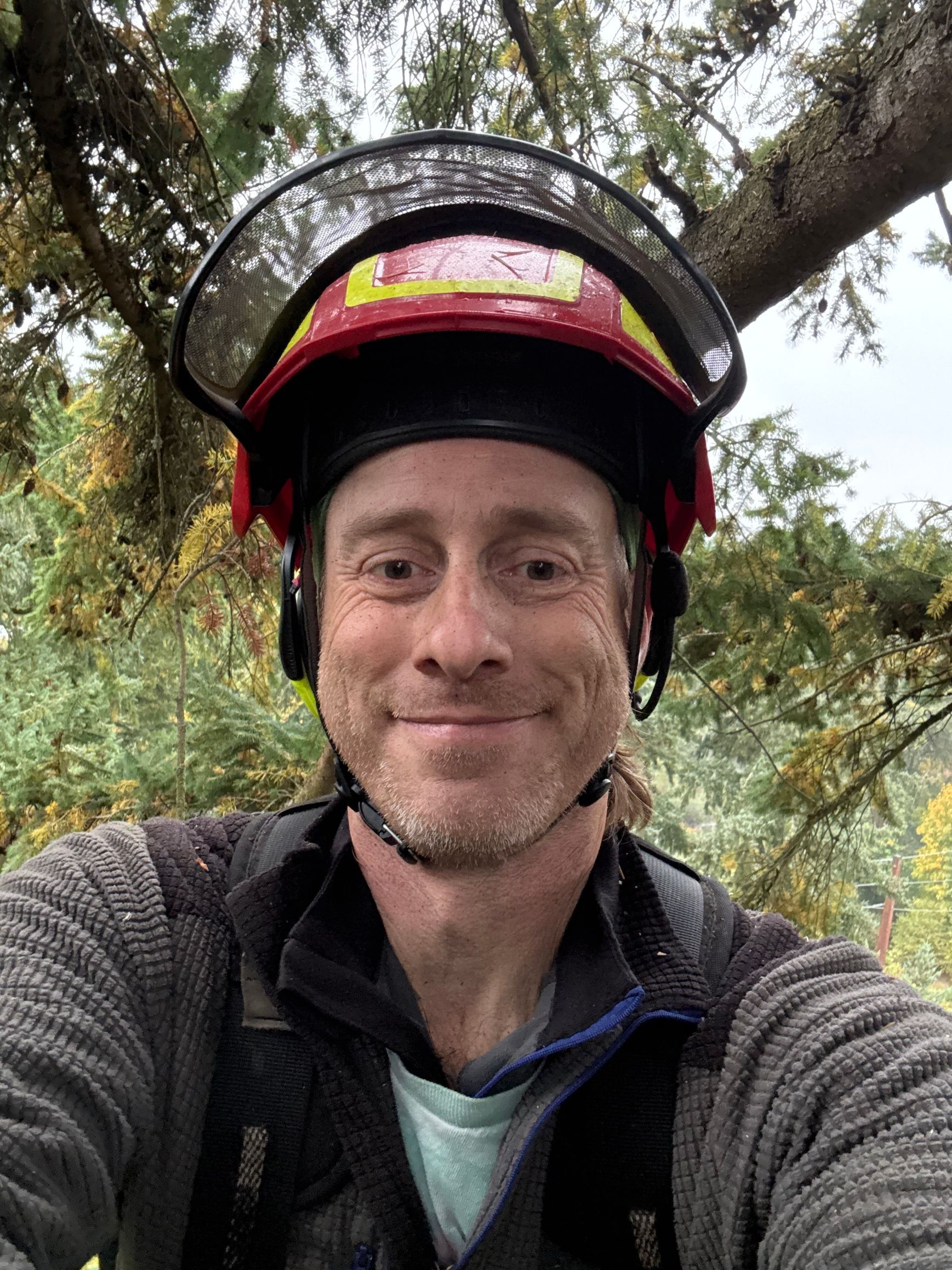
arborist in red hard hat with face shield smiling outside near trees.

Written By: Eric Ledford

ο»Ώ

ISA Certified Arborist – PN-9290A 

ISA Qualified Tree Risk Assessor (TRAQ)


Everything Federal Way homeowners, HOAs, and contractors need to know about tree removal permits, significant tree regulations, Environmentally Critical Areas (ECAs), Tree Protection Zones (TPZs), and replanting requirements (2026)

Federal way graphic on WA state map

If you’re planning to remove or prune a tree in Federal Way in 2026, it’s critical to understand how the city’s tree protection ordinance and land-use regulations apply to your property. Federal Way enforces strict tree and environmental protections in the region, particularly for significant trees, shoreline areas, steep slopes, and Environmentally Critical Areas (ECAs).


Tree removal in Federal Way is closely regulated, and permits are often required even for trees located on private residential property. Missteps—such as removing a regulated tree without approval or disturbing a Tree Protection Zone (TPZ)—can result in project delays, fines, mitigation requirements, or stop-work orders.


This guide explains when a tree removal permit is required in Federal Way, what qualifies as a significant or regulated tree, how ECAs and TPZs affect development and landscaping, and how working with an ISA Certified Arborist helps ensure your project remains compliant in 2026.


πŸ’‘ Need help navigating Federal Way’s tree code? Our team prepares permit-ready arborist reports, tree inventories, risk assessments, and code-compliant removal plans for homeowners, HOAs, and contractors across Federal Way.

βœ… When You Need a Tree Removal Permit in Federal Way (2026)

In 2026, Federal Way typically requires review or permitting when any of the following apply:

πŸ—οΈ

Development & Construction Triggers

In Federal Way, tree removal is most commonly reviewed as part of a broader permit or land use process (building, grading, site development, utilities, or other construction activity). If your project changes the site, assume tree removal will be reviewed for compliance and mitigation.

🌿

Critical Areas & Buffers

Tree work in or near critical areas (wetlands, streams, buffers, and other environmentally sensitive areas) typically requires additional review and documentation. These locations often determine whether removal is allowed, what must be protected, and what replacement is required.

🚧

Street Trees, Rights-of-Way, and City Property

Trees located in the public right-of-way (or on City property) are not “owner-controlled” like backyard trees. If a tree is tied to sidewalks, frontage improvements, or access/utility corridors, removal usually requires City authorization and must follow public works/ROW rules.

πŸ“œ What This Federal Way Tree Permit Guide Covers

βœ… What This Federal Way Tree Permit Guide Covers

  • When a tree removal permit or City review is typically required in Federal Way (2026)
  • How construction, grading, and land use permits can trigger tree review
  • Working in Critical Areas, buffers, and steep slopes (what changes and why it matters)
  • Tree Protection Zones (TPZs) and common construction-adjacent requirements
  • Documentation the City commonly requests (site plan, inventory, mitigation plan, arborist report when needed)
  • Penalties and project delays that can follow unpermitted removal

🌲 Trees Regulated in Federal Way: Retention Trees, Permit-Retained Trees & ROW Trees

🌿

Tree & Vegetation Retention (Private Property)

Federal Way commonly regulates removal through its tree and vegetation retention standards. In practice, this usually comes up when clearing is part of a permit or site work — and the City may require retention, replacement, or documentation depending on the site and scope.

πŸ“„

Permit-Retained Trees

Some trees and vegetation are required to be retained by prior development approvals. These typically come with protection requirements (like TPZ fencing) and limits on disturbance during future projects.

🚧

Public Right-of-Way (ROW) Trees

Trees and vegetation in the public right-of-way(street edge, sidewalks, planter strips, ROW corridors) are managed through Public Works / ROW rules. Work in the ROW typically requires the right process and City authorization.

🚫

Important

Removing trees without the right approval can trigger penalties, mitigation/replacement requirements, and project delays —especially when the work is tied to development permits, critical areas, or public right-of-way.

πŸ› οΈ Working in ECAs & Steep Slopes

If your Federal Way property is located in an Environmentally Critical Area additional codes apply,

πŸ› οΈ What is an Environmentally Critical Area (ECA)?
ECAs can include steep slopes, wetlands and buffers, streams and riparian corridors, and other regulated sensitive areas. If your tree work is within or near an ECA, Federal Way may require additional review before removal or pruning.
βœ… Critical area review (before removal)
A critical area review or approval may be required prior to tree removal, especially when work is tied to grading, redevelopment, or site changes.
πŸ“‹ Tree Inventory & Protection Plan
The City may require a Tree Inventory and Protection Plan prepared by an ISA Certified Arborist to document regulated trees, retention targets, and protection measures.
πŸ›‘ TPZ reductions must be justified
If Tree Protection Zones (TPZs) need to be reduced due to lot constraints, existing pavement, or structures, Federal Way typically expects written justification and mitigation.
πŸ“Œ 2026 Reminder
ECA sites face higher scrutiny and often have stricter replanting and mitigation requirements in 2026.

πŸ“ Documents Commonly Required for Federal Way Tree Permits

πŸ“ Core Permit Documents
  • Arborist Report — prepared by an ISA Certified Arborist to document tree condition, defects, and compliance findings
  • Tree Inventory Table — species, DBH, canopy spread, and health condition for each regulated tree
  • Site Plan with TPZ Fencing — shows driplines, critical root zones, and required protection measures
  • Tree Risk Assessment — required when claiming hazard tree status or expedited removal
🌱 Canopy & Mitigation Documents
  • Tree Credit Calculation Worksheet — used by Federal Way to evaluate canopy loss, retention, and required mitigation.
  • Replanting / Mitigation Plan — identifies replacement tree species, caliper size, spacing, and planting locations to meet canopy requirements.
  • Replacement Ratios — Federal Way typically requires 1:1 or 2:1 replacement when regulated trees are removed.
  • Minimum Planting Sizes — replacement trees usually must meet 1.5″–2″ caliper requirements.
  • Approved & Native Species — ECAs often require native-only species. Commonly approved options may include Douglas fir, western red cedar, vine maple, shore pine, and other regionally appropriate trees.
πŸ“„ Our Federal Way Tree Services include TRAQ risk assessments, arborist reports, site plans, TPZ documentation, and canopy calculations to help streamline the permitting process.

πŸ’Έ Penalties for Unpermitted Tree Removal in Federal Way

πŸ’Έ Penalties for Unpermitted Tree Removal in Federal Way
  • Fines up to the appraised value of the tree 🌳
  • Stop-work orders and inspection delays
  • Increased mitigation and replanting requirements, especially in ECAs
Federal Way enforces tree regulations strictly. Removing or damaging protected trees without approval can result in costly delays and additional compliance requirements.
Need help with tree permits?
Tree removal and pruning rules vary by city across Washington State. View our Tree Permits by City guide →

How Sound Tree Care Helps Federal Way Property Owners

Our team of ISA Certified Arborists specializes in navigating Federal Way's tree code, permitting process, and canopy requirements for residential, HOA, and commercial properties.

Our team of ISA Certified Arborists specializes in navigating Federal Way's tree code, permitting process, and canopy requirements for residential, HOA, and commercial properties.

πŸ“‹
Permit-Ready Arborist Reports
Tree inventories, canopy documentation, and City-ready narratives prepared for Renton permit review.
🌳⚠️
TRAQ Hazard Tree Evaluations
Risk assessments supporting expedited or emergency removals under Renton’s tree code.
πŸͺ“
Tree Removal & Stump Grinding
Safe, code-compliant removals aligned with permit conditions and inspection requirements.
πŸ›‘
TPZ Planning & Construction Support
Tree protection fencing, monitoring, and on-site coordination during construction.
🌱
Replanting & Mitigation Services
Native and approved species selected to meet Renton’s canopy coverage and ECA requirements.

🌲Need help with a tree removal permit in Federal Way?


If your project involves construction, grading, or work near a critical area or right-of-way, tree removal in Federal Way is often reviewed as part of the City’s permitting process. Understanding what the City is likely to require up front can help you avoid delays, redesigns, and stop-work issues.


Sound Tree Care provides permit-ready arborist support for Federal Way homeowners, HOAs, and contractors, including:

  • Arborist reports and tree inventories for permit review
  • Tree protection and retention planning during construction
  • Mitigation and replacement planning when tree removal is unavoidable
  • Tree risk evaluations when safety concerns are part of the permit discussion


🌟 ISA Certified Arborists | TRAQ-Qualified
🌟 5-Star Reviews on Google, Yelp & Facebook
🌟 Licensed, Insured & City-Compliant
🌟 Trusted by Homeowners Throughout Federal Way


πŸ“ž Call us now at 206-486-7790– Speak with a Federal Way arborist!
πŸ“ Request an Online Quote:
Client Hub

πŸ“ Serving all Federal Way Neighborhoods