Guide to Watering Trees in the Pacific Northwest

Written By: Eric Ledford
ISA Certified Arborist – PN-9290A
ISA Qualified Tree Risk Assessor (TRAQ)
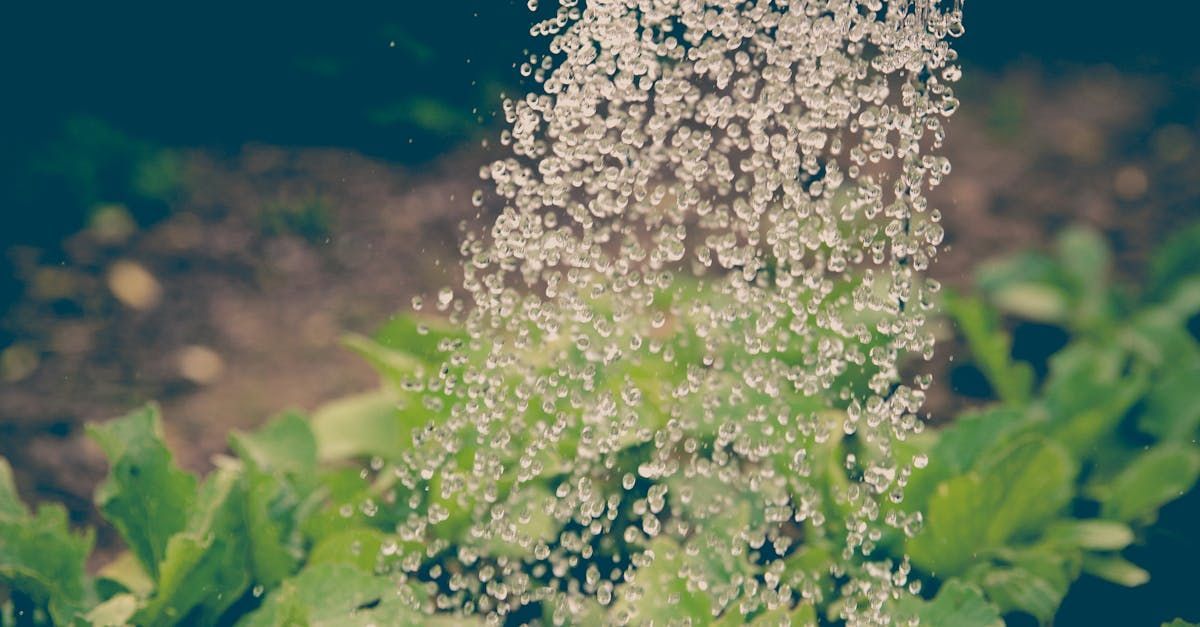
How to Water Trees in the Pacific Northwest
Watering trees in the Pacific Northwest is different than watering trees in hotter or drier climates. While winter rainfall is abundant, many trees experience drought stress during the region's increasingly dry summers. Newly planted trees, young trees, and even established landscape trees often benefit from supplemental deep watering to encourage healthy root development, improve drought tolerance, and reduce stress. This guide explains when to water, how much water trees need, common signs of water stress, and best practices for maintaining healthy trees throughout the Pacific Northwest.
How Often Should You Water Trees?
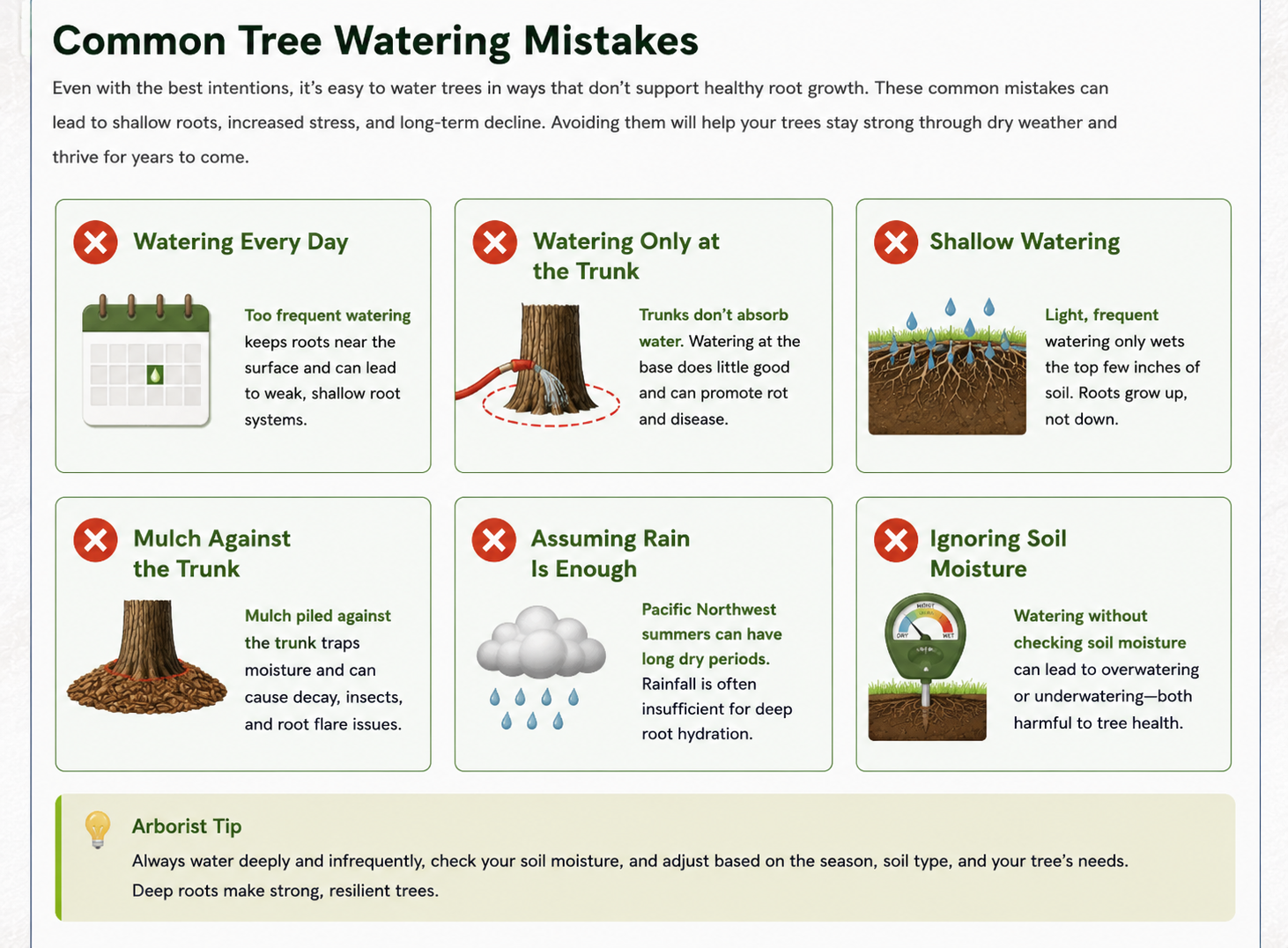
There is no single watering schedule that works for every tree. Watering frequency depends on the tree's age, species, soil conditions, weather, and whether it is newly planted or well established. In general, trees benefit more from occasional deep watering than frequent shallow watering, which encourages stronger root systems and greater drought tolerance. The recommendations below provide a starting point for most landscape trees growing in the Pacific Northwest
🌱 Newly Planted Trees
Highest watering needs. Newly planted trees have limited root systems and usually need frequent deep watering during the first one to three growing seasons, especially during dry summer weather.
🌳 Young Trees
Regular deep watering. Young trees benefit from consistent watering during dry periods to encourage roots to grow deeper into the soil and develop better drought tolerance over time.
🌲 Established Trees
Water during drought. Mature trees usually need supplemental watering only during extended dry periods, extreme heat, or when they are growing in compacted urban soils.
🌿 Native & Drought-Tolerant Trees
Lower watering needs once established. Native and drought-adapted trees often require little supplemental water, but prolonged drought can still stress even well-adapted species.
How Much Water Does a Tree Need?
The amount of water a tree needs depends on several factors, including its age, species, soil conditions, weather, and location in the landscape. Newly planted trees require more consistent watering while their root systems become established, whereas mature trees often need supplemental irrigation only during extended dry periods. Rather than following a fixed watering schedule, focus on applying enough water to thoroughly moisten the tree's root zone. In most cases, slow, deep watering is far more beneficial than frequent shallow watering because it encourages deeper root growth, improves drought tolerance, and supports long-term tree health.
| Tree Type | Typical Watering Frequency | General Guidance |
|---|---|---|
| 🌱 Newly Planted Trees | 2–3 times per week during dry weather | Keep the root ball consistently moist while the tree becomes established. |
| 🌳 Young Trees | About once per week during dry periods | Water deeply to encourage roots to grow outward and downward. |
| 🌲 Established Trees | During prolonged drought or extreme heat | Deep watering is usually more effective than frequent shallow irrigation. |
| 🌿 Native & Drought-Tolerant Trees | Only during extended drought | Most established native species require little supplemental watering under normal conditions. |
💧 Arborist Tip
Trees generally benefit more from one thorough deep watering than several light sprinklings. Deep watering encourages roots to grow deeper into the soil, improving stability and drought tolerance over time.
Deep Watering Techniques for Trees
Deep watering encourages tree roots to grow deeper into the soil, making trees more resilient during dry weather and less dependent on frequent irrigation. Unlike shallow surface watering, deep watering thoroughly moistens the root zone where most absorbing roots are located. The goal is to water slowly enough that moisture penetrates the soil rather than running off the surface.
💧 Soaker Hose
Ideal for deep watering. A soaker hose slowly releases water into the soil, allowing moisture to penetrate the root zone with very little runoff or evaporation.
🚿 Garden Hose
Simple and effective. Place a hose near the tree's drip line and allow water to flow slowly into the soil rather than spraying the trunk or surface roots.
🪣 Watering Basin
Best for newly planted trees. A shallow watering basin helps keep water over the root ball so it can soak deeply into the surrounding soil instead of running away.
🌳 Drip Irrigation
Consistent long-term watering. Properly installed drip irrigation provides slow, efficient watering directly to the root zone while minimizing water waste.
💡 Arborist Tip
Water the soil beneath the outer canopy—not directly against the trunk. Most of a tree's fine absorbing roots are located near and beyond the drip line rather than at the base of the trunk.
Signs Your Tree Needs Water
Trees often show signs of drought stress long before permanent damage occurs. Learning to recognize these early symptoms allows homeowners to adjust their watering practices before leaves, needles, branches, or roots begin to decline. While many watering issues can resemble insect or disease problems, the symptoms below are some of the most common indicators that a tree may benefit from supplemental watering during the Pacific Northwest's dry season.
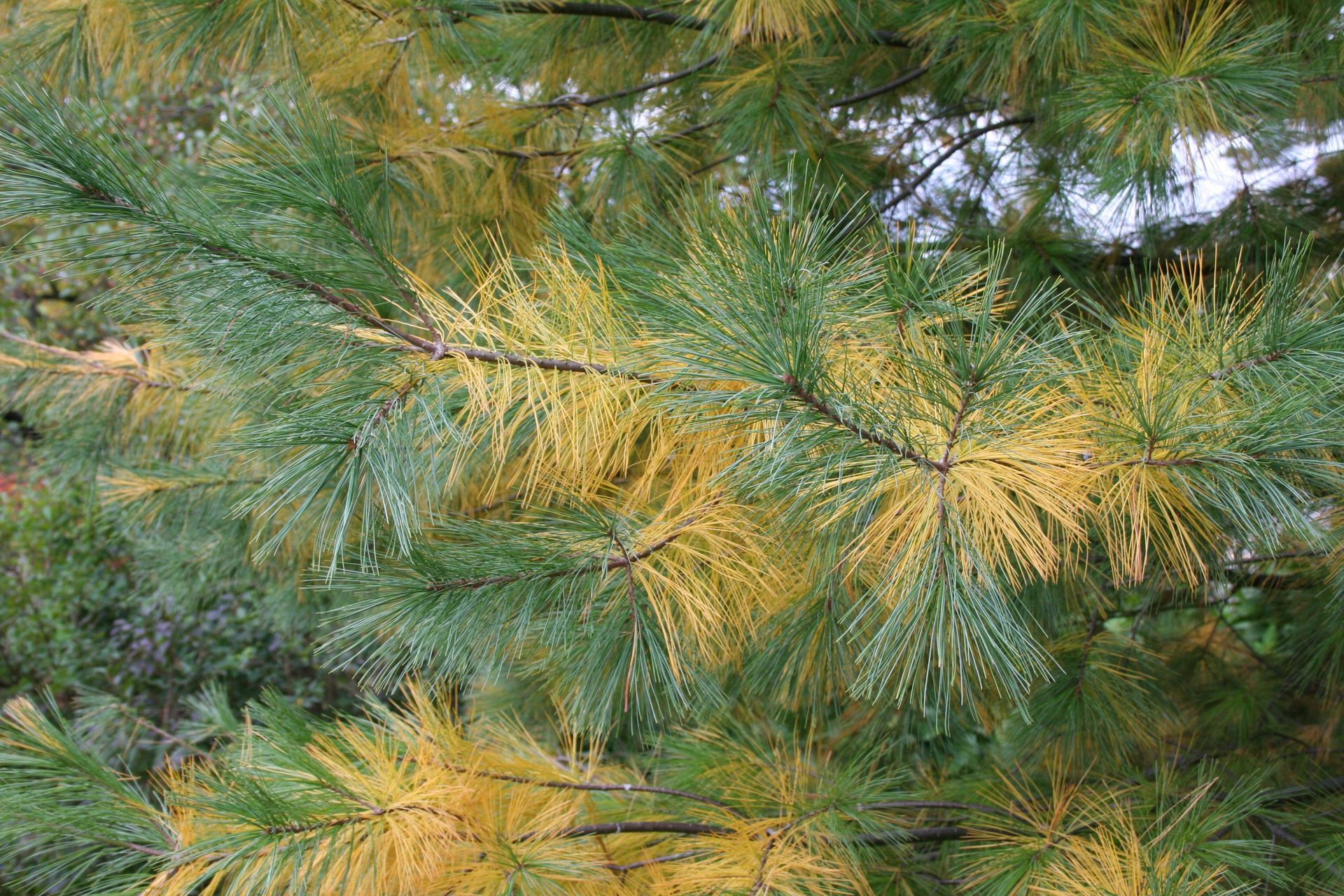
🌲 Needle Flagging
A common warning sign in conifers. Evergreen needles may droop, lose their rich green color, or begin shedding earlier than normal when trees experience prolonged drought stress.
🍂 Wilting or Curling Leaves
Leaves lose moisture faster than roots can replace it. Foliage may wilt, curl inward, or appear limp during hot, dry weather.
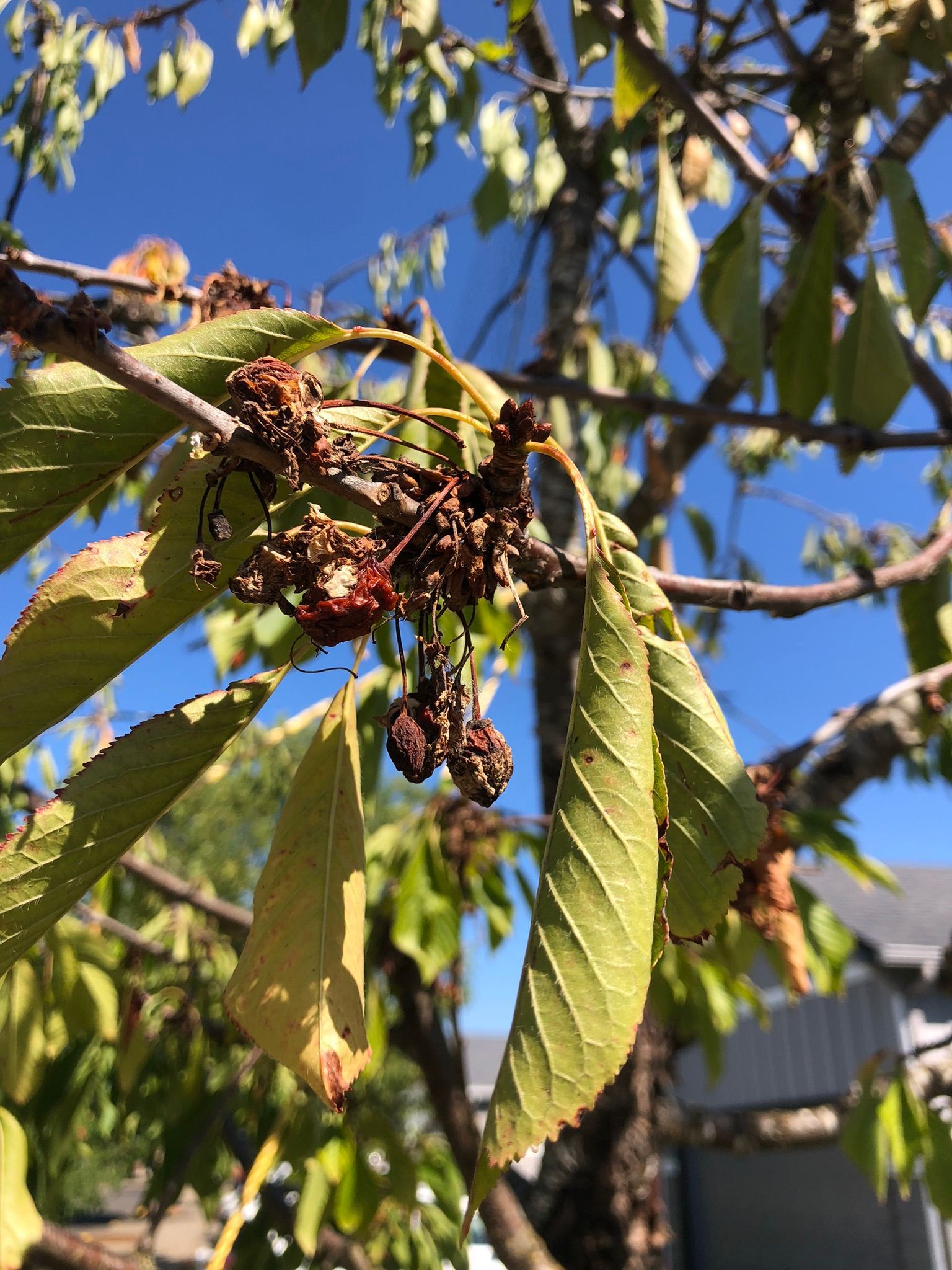
🔥 Leaf Scorch
Brown, crispy leaf margins often develop when trees cannot move enough water to the canopy during periods of heat or drought.
🍁 Early Leaf Drop
Trees may shed healthy leaves early to reduce water loss and conserve moisture during extended dry periods.
🌿 Reduced Growth
Slow shoot growth and sparse foliage can indicate that a tree is conserving resources because adequate water is not available.
🪵 Branch Dieback
Small twigs and branch tips die first as the tree redirects limited water to preserve its trunk and primary scaffold branches.
Common Signs of Drought Stress in Pacific Northwest Trees
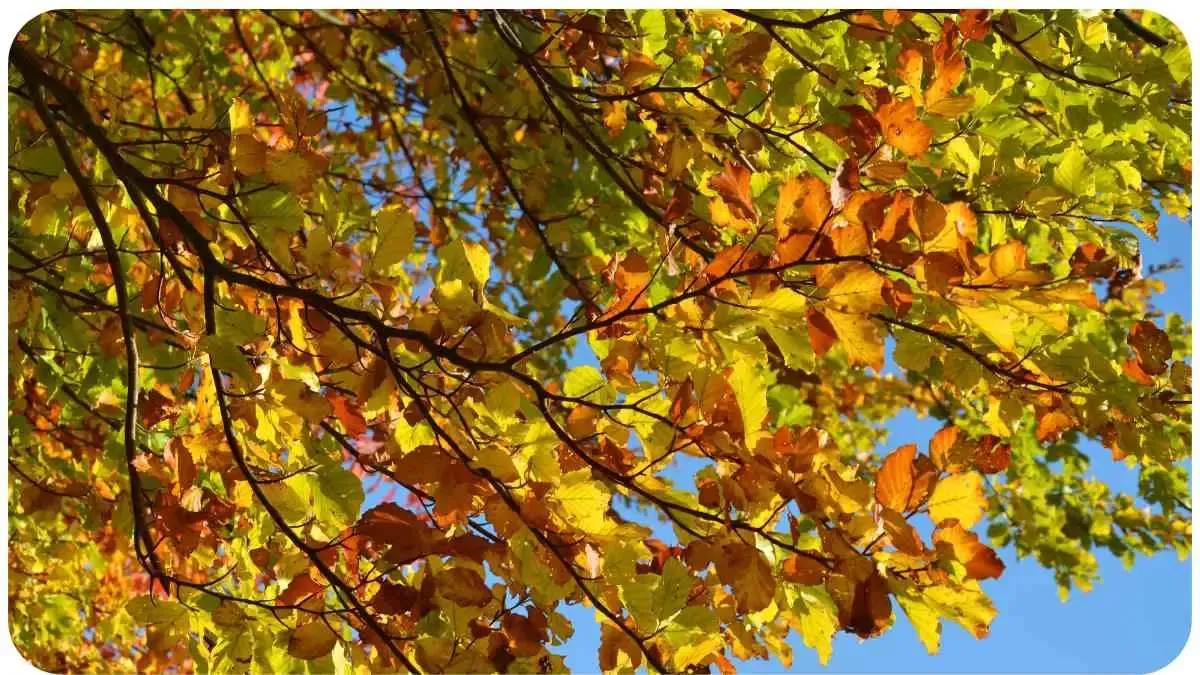
The symptoms of drought stress vary by species, but many Pacific Northwest trees respond in similar ways. Evergreen conifers may exhibit needle flagging or premature needle drop, while deciduous trees often develop leaf scorch, wilting foliage, or early leaf drop. These examples illustrate common signs of water stress that ISA Certified Arborists look for when evaluating tree health during the dry summer months. Recognizing these symptoms early allows corrective watering before permanent damage or branch dieback occurs.

Where Should You Water a Tree?
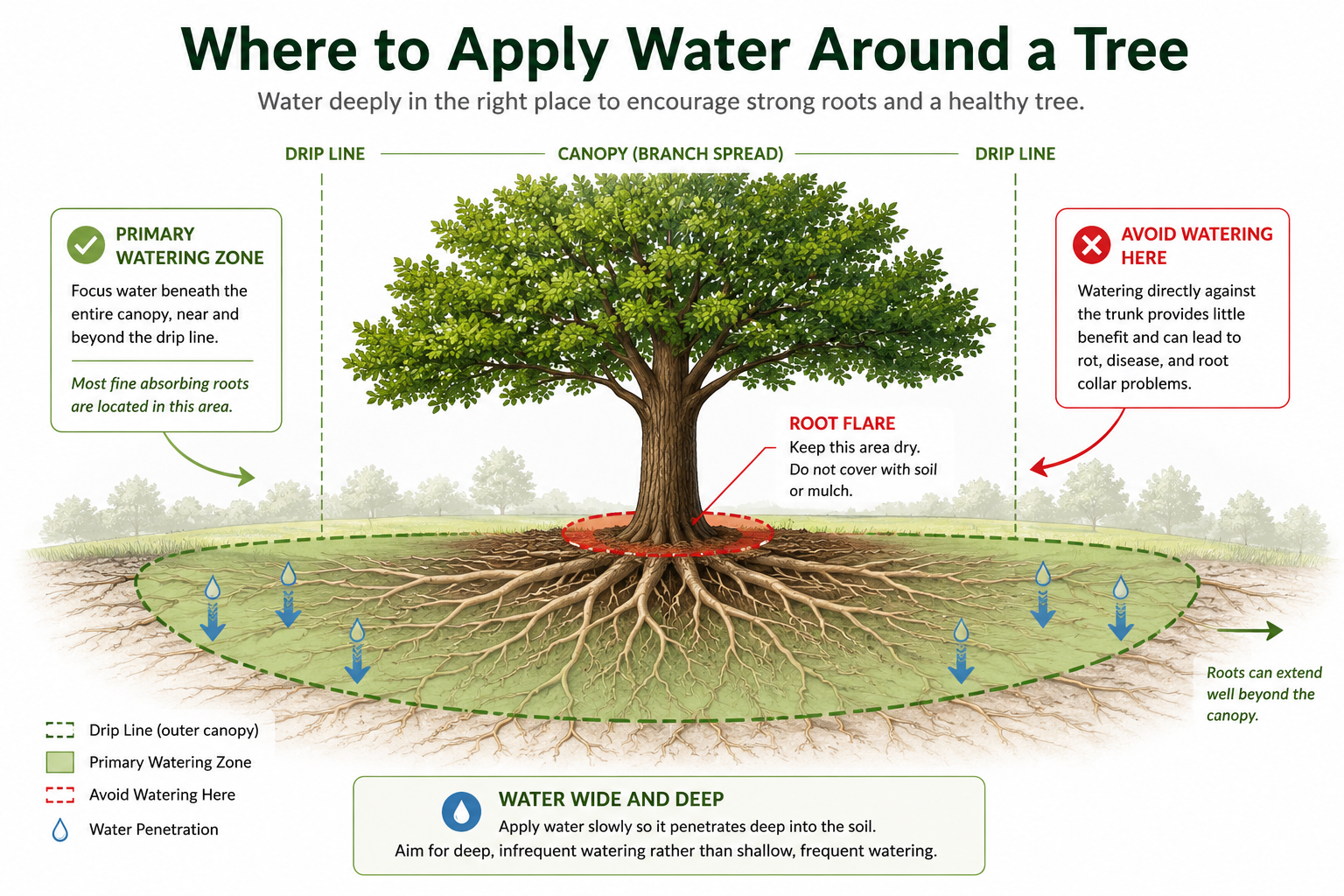
Applying water in the right location is just as important as applying the right amount. Many homeowners make the mistake of watering directly against the trunk, but a tree's absorbing roots are spread throughout the soil beneath and beyond the canopy. Watering the entire root zone encourages deeper root development, improves drought resistance, and helps trees establish a healthier, more stable root system.
🌳 Water Near the Drip Line
The best watering zone is beneath the outer canopy. Most fine absorbing roots are located near and just beyond the drip line, where they efficiently take up water and nutrients.
🚫 Avoid Watering the Trunk
Tree trunks don't absorb water. Constantly soaking the trunk or root flare can encourage decay, fungal diseases, and root collar problems while doing little to benefit the tree.
🌱 Soak the Entire Root Zone
Spread water over a broad area. Deeply watering the entire root zone encourages roots to grow outward and downward, producing a stronger, more drought-resistant tree.
📏 Expand as the Tree Grows
Increase the watering area over time. As trees mature, their root systems extend well beyond the original planting hole, so your watering pattern should grow with the tree.
💡 Arborist Tip
Young trees require frequent watering near the original root ball during establishment, while mature trees benefit from slow, deep watering across the entire root zone beneath the canopy. As a general rule, think "wide and deep" rather than "close and shallow."
Seasonal Tree Watering in the Pacific Northwest
Tree watering needs change throughout the year in the Pacific Northwest. Winter and spring rainfall often provide enough moisture for established trees, but dry summers, heat waves, compacted soils, and newly planted landscapes can create drought stress quickly. Use seasonal watering as a guide, then adjust based on soil moisture, tree age, rainfall, and signs of stress.
🌸 Spring
Prepare before dry weather arrives. Check soil moisture, refresh mulch, inspect newly planted trees, and begin supplemental watering if spring rainfall is below normal.
☀️ Summer
This is the highest-risk season. Water deeply during dry periods, monitor for leaf scorch or wilting, and prioritize newly planted trees, young trees, and stressed trees.
🍂 Fall
Keep watering until consistent rain returns. A deep fall watering can help evergreens and recently planted trees enter winter with better soil moisture.
❄️ Winter
Most trees need little supplemental water. During unusually dry, frost-free periods, check newly planted trees and evergreens to make sure the root zone has not dried out.
Frequently Asked Questions About Watering Trees
Every landscape is different, and factors such as tree species, soil conditions, weather, and age all influence how much water a tree needs. The answers below address some of the most common questions homeowners ask about watering trees in the Pacific Northwest. If you're unsure whether your tree is experiencing drought stress, an ISA Certified Arborist can evaluate its health and recommend the best course of action.
How often should I water newly planted trees?
Newly planted trees require the most attention because their roots are still confined to the original root ball. During the first growing season, check soil moisture regularly and water deeply whenever the root zone begins to dry. As the tree establishes, watering can become less frequent but should remain deep enough to encourage roots to grow into the surrounding soil.
Can you overwater a tree?
Yes. Overwatering can be just as harmful as underwatering because saturated soil limits the oxygen available to tree roots. Prolonged overwatering may lead to root rot, poor growth, fungal diseases, and declining tree health. Always check soil moisture before watering instead of relying on a fixed schedule.
Should I water mature trees during the summer?
Established trees are generally more drought tolerant than newly planted trees, but they can still benefit from deep watering during prolonged dry periods and extreme heat. This is especially true for trees growing in lawns, compacted urban soils, or exposed landscapes where natural moisture is limited.
Is rain enough for trees in the Pacific Northwest?

During much of the year, natural rainfall provides adequate moisture for established trees. However, the Pacific Northwest often experiences long, dry summers with little rainfall for weeks or even months. Supplemental watering during these periods helps reduce drought stress, particularly for young or recently planted trees.
Should I water evergreen trees during winter?
Evergreen Tree Care GuideMost established evergreens require little supplemental watering during the winter rainy season. However, newly planted evergreens or trees growing through unusually dry, frost-free winters may benefit from occasional deep watering if the soil becomes dry.
Where should I place a soaker hose around a tree?
Place the soaker hose beneath the tree's canopy near the drip line rather than wrapping it tightly around the trunk. This allows water to reach the fine absorbing roots that take up most of the tree's moisture and nutrients.
Should I water the trunk or the drip line?
Focus watering on the soil beneath and just beyond the drip line instead of directly against the trunk. Tree trunks do not absorb water, while the majority of fine feeder roots responsible for water uptake are located throughout the surrounding root zone.
What's the best time of day to water trees?
Early morning is generally the best time to water because cooler temperatures reduce evaporation and allow moisture to soak deeply into the soil before the heat of the day. Evening watering is also effective, while watering during the hottest part of the afternoon may result in greater evaporation and less efficient water absorption.
Need Help Diagnosing Tree Watering Problems?
Proper watering is one of the most important factors affecting the long-term health of your trees, but watering problems often resemble insect damage, disease, construction impacts, or natural seasonal changes. If you're unsure whether your tree is suffering from drought stress, overwatering, root damage, or another issue, an ISA Certified Arborist can help identify the underlying cause before the problem becomes more serious.
Sound Tree Care provides professional tree inspections, plant health evaluations, Tree Risk Assessments, and arborist consultations throughout the Seattle metropolitan area. Whether you've recently planted a tree, are concerned about an established landscape tree, or simply want expert guidance on proper watering practices, we're here to help.
Schedule an Arborist Consultation →