Tree Risk Assessment in Seattle: ISA TRAQ Hazard Tree Evaluation Guide
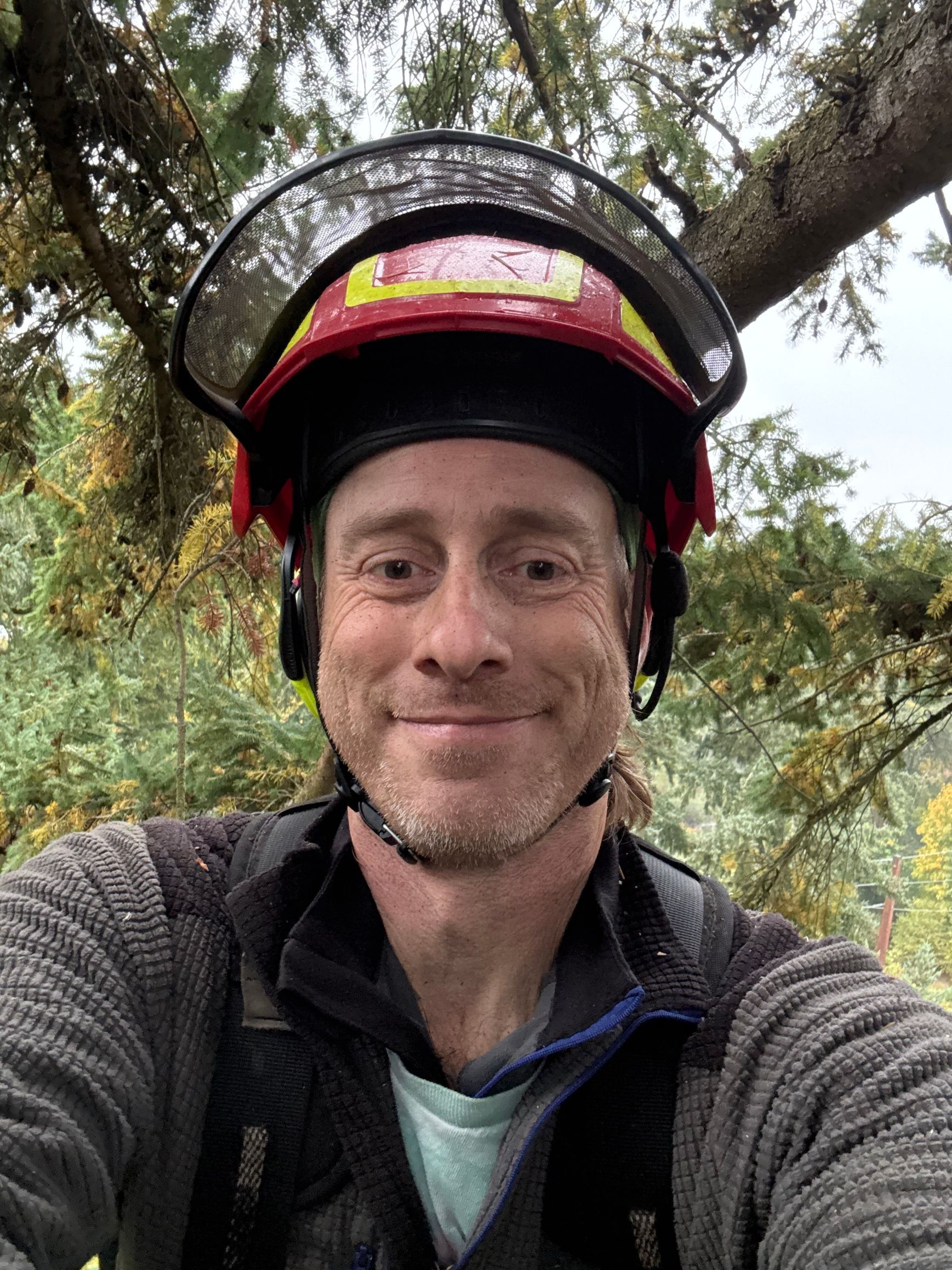
Written By: Eric Ledford
ISA Certified Arborist – PN-9290A
ISA Qualified Tree Risk Assessor (TRAQ)
Tree Risk Assessment: A Complete Guide by an ISA TRAQ Arborist (Seattle & Puget Sound)
If you’re worried a tree could fail and damage a home, a fence, utilities, or people—this guide breaks down what a tree risk assessment is, when you need one, and how ISA Certified, TRAQ Qualified arborists evaluate hazard trees for homeowners, HOAs, and development/permit projects across Seattle, Bellevue, and the Puget Sound region.
Quick Answer: What does a tree risk assessment do?
- Identifies tree defects(decay, dead tops, weak unions, root issues, cracks).
- Evaluates the likelihood of failure and the impact to targets(home, driveway, utilities, people).
- Produces actionable recommendations —pruning, support systems, monitoring, or removal—based on risk and feasibility.
- Creates documentation useful for HOA liability, insurance, and city permit processes.
Who needs a tree risk assessment?
Tree risk assessments help anyone responsible for property safety—whether you’re protecting a single-family home, managing common areas for an HOA, or planning a development project with trees near structures and utilities.
Homeowners
Concerned about a tree leaning toward the house, dropping large limbs, or showing signs of decay? A risk assessment helps you make a clear plan before the next windstorm.
HOAs & Property Managers
Large shared trees + regular foot traffic = higher exposure. Risk assessments support annual budgeting, help document due diligence, and guide prioritized mitigation.
Developers & Builders
When trees are close to construction zones, excavation, or new structures, a formal assessment can support permit review, tree retention planning, or hazard-based removal justification.
What is a tree risk assessment?
A tree risk assessment is a structured evaluation of a tree’s likelihood of failure and the consequences if that failure occurs. “Failure” can include limb drop, trunk failure, or root-plate failure. The assessment considers the tree’s health and structure, site conditions, and nearby targets—then recommends a practical risk mitigation plan.
Plain-English version:
We’re answering three questions:
1)
What could fail? 2)
How likely is it to fail? 3)
If it fails, what will it hit?
How ISA TRAQ arborists evaluate tree risk
As ISA Qualified Tree Risk Assessors (TRAQ), we follow an industry-recognized framework to evaluate tree condition, defects, and site factors that influence loading and failure. While every site is different, most assessments include:
1) Visual tree inspection
- Deadwood & dieback
- Cracks, seams, cavities
- Weak unions / codominant stems
- Signs of decay fungi
2) Roots & soil conditions
- Root collar visibility
- Soil saturation & drainage
- Compaction, excavation, root cuts
- Root-plate stability indicators
3) Load & exposure factors
- Wind exposure & recent site changes
- Overextended limbs / weight imbalance
- Crown density and leverage
- Slope, aspect, and soil depth
4) Targets & occupancy
- Homes, driveways, fences
- Utilities and access/egress routes
- People use (constant vs occasional)
- Consequences if failure occurs
Tree risk assessment form vs professional arborist report
People often search for a “ tree risk assessment form ” because they want a checklist. A checklist can be a helpful starting point—but it usually isn’t enough for higher-stakes decisions like permits, liability, or trees near structures.
A simple form is best for:
- Basic homeowner screening
- Routine monitoring notes
- Low-risk trees away from targets
A professional report is best for:
- Permit review / hazard-based removal justification
- HOA documentation and prioritization
- Trees near homes, utilities, and high-occupancy areas
- When you need clear mitigation options (not guesses)
If you’re dealing with a permit, development plan, HOA documentation, or a tree within striking distance of a home, you’ll usually want a formal report. (We can help.)
Common hazard tree risk factors in Seattle & Puget Sound
Our region has predictable stressors: long wet seasons that saturate soils, strong wind events, and urban sites where root zones are compromised by construction, fill, or pavement. These conditions don’t automatically make a tree “hazardous,” but they do influence risk—especially when defects and targets are present.
Saturated soils & root-plate instability
Prolonged rain can reduce soil shear strength. When combined with lean, shallow soils, or limited rooting volume, whole-tree failure risk can increase.
Codominant stems & included bark
Weak attachments can split under wind loading—especially when stems are long, heavy, or imbalanced.
Overextended limbs & dead tops
Long lever arms + decay + heavy foliage loading can lead to limb failures. Dead tops may indicate decline, structural weakness, or past damage.
Root impacts from construction
Excavation, grade changes, trenching, and compaction inside the critical root zone can reduce stability and vigor— sometimes years after the disturbance.
When a tree risk assessment helps with permits or development
For development sites, the most common friction points are: proving a hazard, documenting targets, and clearly showing why mitigation (like pruning or support) is or isn’t a reasonable alternative. A well-written report can help clarify:
- What the hazard is(defect type, severity, failure mode).
- What it could strike(targets within striking distance, including homes and access/egress).
- Mitigation options(pruning, support systems, monitoring, or removal) and why each is appropriate.
- Site factors(slope, soil depth, exposure, recent site changes) that influence loading and risk.
Developer note
If you need a site plan showing tree locations, boundaries, and the hazard relationship to structures, we can coordinate report documentation so it aligns with permit submittal requirements.
What you get after the assessment
A good tree risk assessment doesn’t just diagnose problems—it gives you a clear, prioritized plan. Recommendations may include:
Pruning & risk reduction
Target pruning for deadwood, end-weight reduction, clearance from structures, and structural improvement—while staying within accepted pruning standards and tree biology.
Support systems
In select cases, supplemental support (cabling/bracing) may reduce risk—when defects, species profile, and targets make support a reasonable option.
Monitoring or removal
When risk is elevated and mitigation isn’t practical, we may recommend monitoring intervals or removal with replanting guidance.
How much does a tree risk assessment cost?
Pricing depends on scope. A single-tree assessment for a homeowner is different from an HOA portfolio assessment, and different again from a development site requiring a written report tied to plans.
Typical cost drivers
- Number of trees and access conditions
- Whether a written report is required (vs verbal findings)
- Targets and occupancy (homes, utilities, public areas)
- Need for coordination with permits, plans, or third parties
Want a fast quote? Send a few photos and the address, and we’ll recommend the right assessment level for your situation.
Need a professional tree risk assessment in Seattle or Bellevue?
Sound Tree Care provides ISA Certified, TRAQ-compliant hazard tree evaluations and permit-ready arborist reporting for homeowners, HOAs, and development projects across the Puget Sound region.
Tree Risk Assessment FAQs
What is a hazard tree?
A hazard tree is a tree with defects and site factors that increase the likelihood of failure—especially when there are high-value targets like homes, vehicles, utilities, or frequent public use nearby.
Do I need a written report?
If you need documentation for permits, HOA records, insurance, or liability decisions, a written report is usually the right choice. For low-risk situations, verbal findings may be sufficient.
Can pruning reduce risk instead of removal?
Often, yes. Targeted pruning can reduce leverage and remove deadwood. But if defects are severe or targets are high, removal may be the most reasonable risk-reduction option.
How often should trees be reassessed?
It depends on the tree, site changes, and risk level. Higher-risk trees near targets are typically reviewed more frequently than low-risk trees in open areas.
Is a “tree risk assessment form” enough?
A form can help you organize observations, but it doesn’t replace an on-site evaluation by a qualified arborist— especially for permits, liability, or hazard trees near homes.
Do you serve outside Seattle?
Yes—Sound Tree Care serves Seattle, Bellevue, and surrounding Puget Sound communities. If you’re unsure, reach out with your address and we’ll confirm availability.