Root & Soil Problems
Compaction, construction disturbance, buried roots, and poor soil oxygen weaken trees over time.
ISA Certified Arborists · Licensed · Bonded · Insured
4.8★ Google rating · 260 reviews
Written By: Eric Ledford
ISA Certified Arborist – PN-9290A
ISA Qualified Tree Risk Assessor (TRAQ)
Updated 2/26/2026
Trees in the Seattle and Puget Sound region face a unique combination of environmental, urban, and biological stressors that can lead to decline or premature death. As an ISA Certified Arborist working throughout Seattle, SeaTac, Bellevue, and surrounding areas, we regularly inspect trees that are not dying from a single issue, but from multiple overlapping stress factors.
Unlike forest trees, urban and residential landscape trees live in highly altered environments. Soil disturbance, drainage changes, pests, pathogens, and human activity all contribute to chronic stress that weakens trees over time.
Understanding the most common causes of tree decline in Seattle landscapes can help property owners take preventative action and protect the long-term health and stability of their trees.
In Puget Sound landscapes, trees rarely fail from one issue—these five stressors are the most common “root causes” we see in the field.
Compaction, construction disturbance, buried roots, and poor soil oxygen weaken trees over time.
Saturated soils can suffocate roots and increase root-rot risk; inconsistent summer watering can also stress trees.
Mulch against the trunk and buried root flare commonly lead to decay, pest pressure, and early decline.
Bronze Birch Borer, adelgids, galls, Swiss needle cast, and Phytophthora often accelerate decline in stressed trees.
Heat, pollution, salts, chemical exposure, and heavy foot traffic can degrade soil and stress street trees fast.
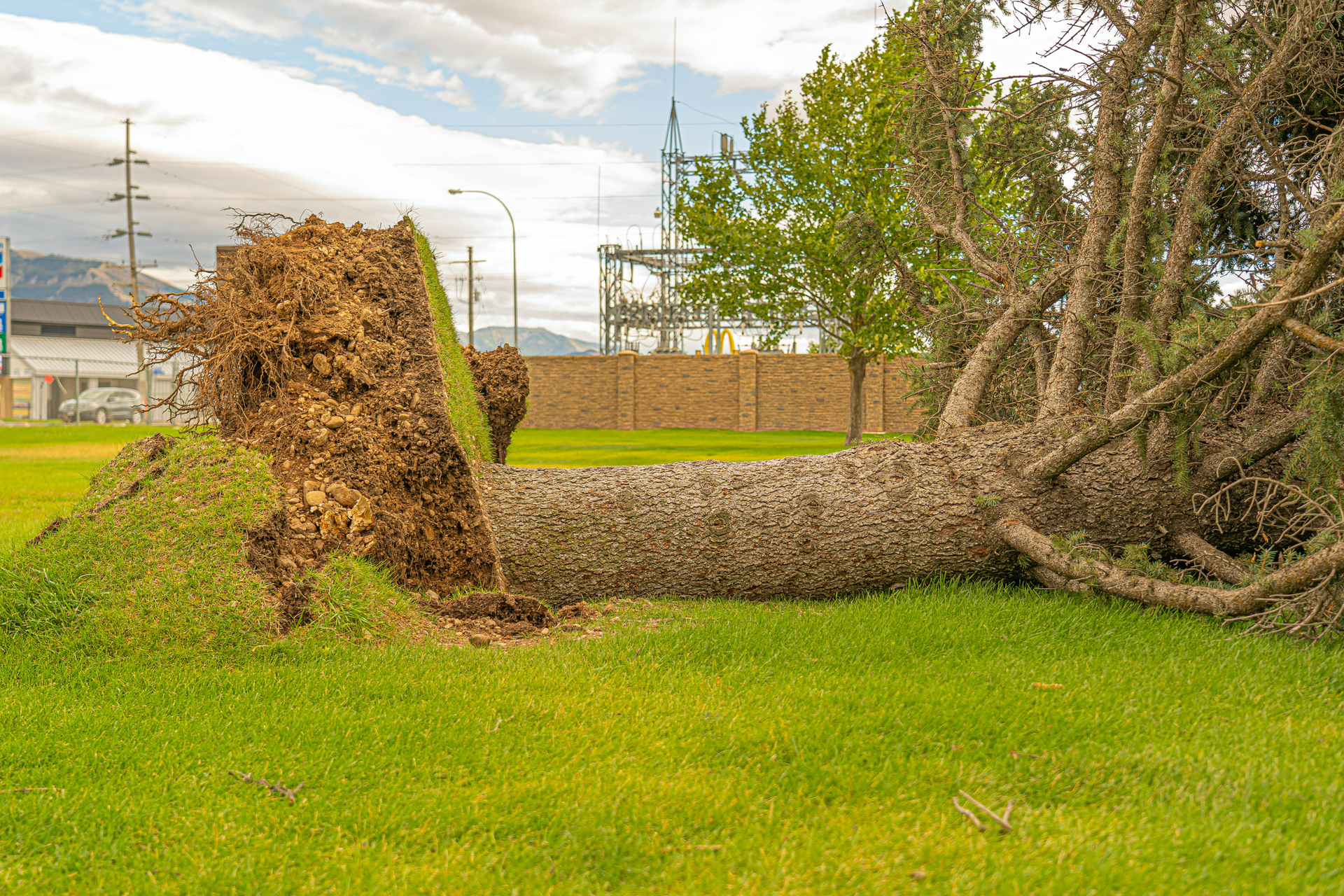
One of the most significant causes of tree decline in urban Seattle environments is root zone disturbance. Trees rely on healthy, oxygenated soil to support their root systems, but construction, foot traffic, stored materials, and equipment can compact the soil and reduce vital air and water movement.
In densely populated areas, trees that are not fenced or protected often experience repeated soil compaction around their base. Over time, this restricts root growth, reduces nutrient uptake, and weakens the tree’s overall health and structural stability.
Even activities such as parking vehicles near trees, piling debris, or altering grade levels can severely impact root function and lead to long-term decline.
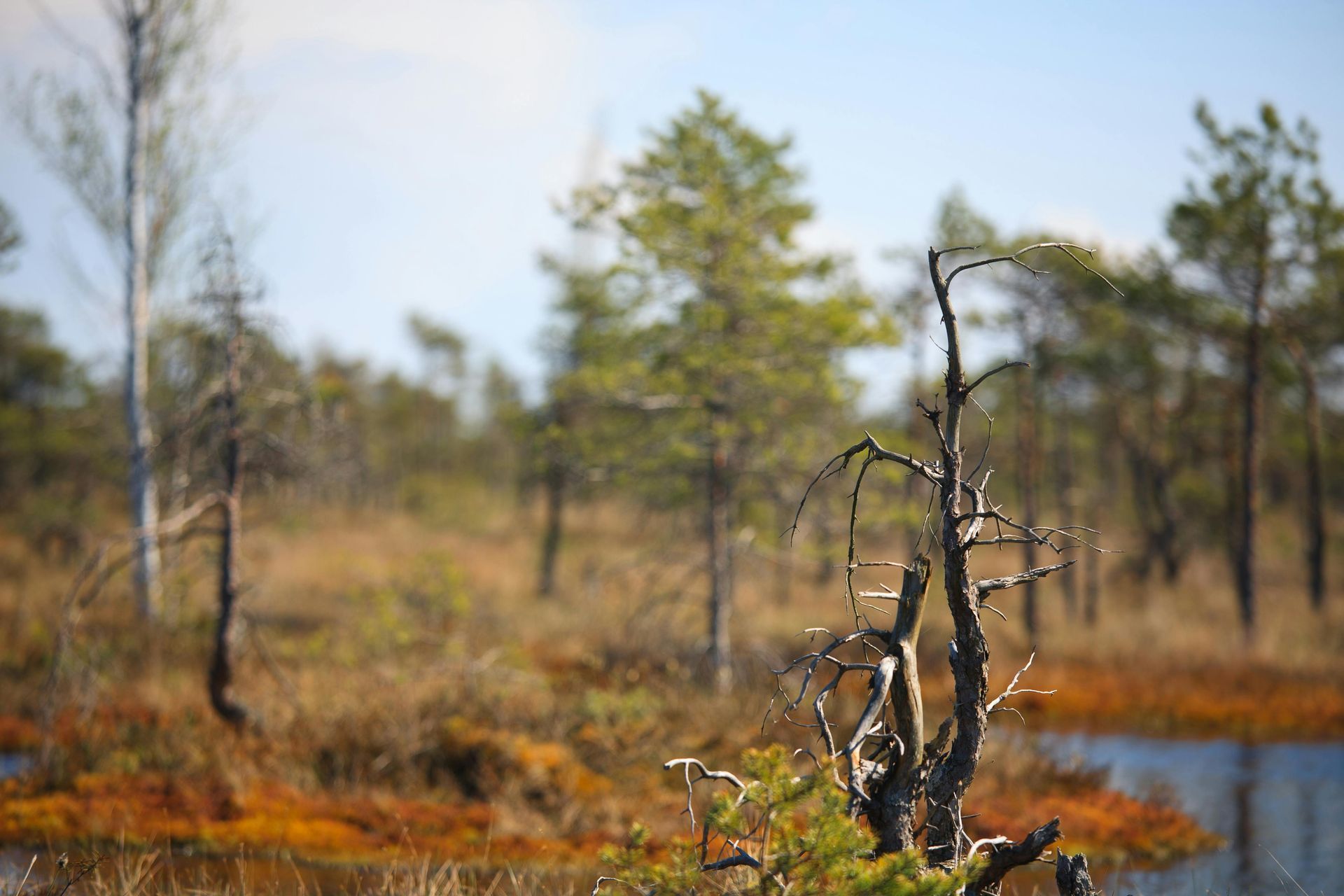
Seattle’s heavy rainfall and poorly draining soils create ideal conditions for root stress and pathogenic issues. While trees require water, excessive moisture and saturated soils can suffocate roots and promote root rot diseases such as Phytophthora.
In recent years, we have observed a noticeable increase in Phytophthora-related decline in urban landscapes, particularly where drainage is limited or irrigation is excessive. Trees planted in compacted or clay-heavy soils are especially vulnerable to prolonged saturation.
Conversely, some trees also decline from drought stress during dry summer months when watering is inconsistent. Both overwatering and underwatering can significantly weaken a tree’s defense systems and make it more susceptible to pests and disease.
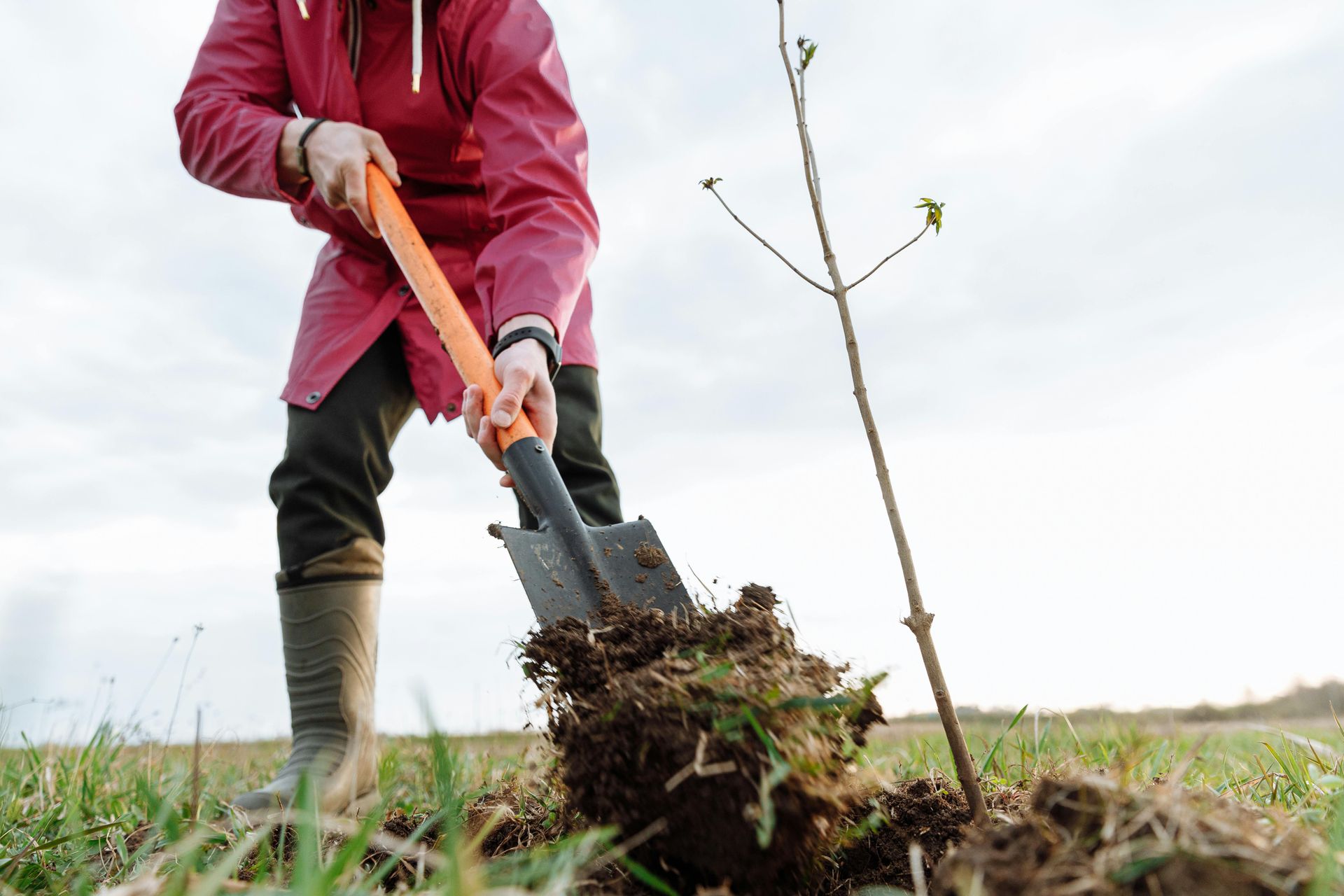
Improper mulching is one of the most common and preventable causes of tree decline. Excess mulch piled against the trunk, commonly referred to as a mulch volcano, traps moisture against the bark and promotes decay at the root collar.
Over time, buried root flares and excessive mulch layers can lead to:
Proper mulching should be applied in a thin layer (2–3 inches) and kept away from direct contact with the trunk to preserve root health.
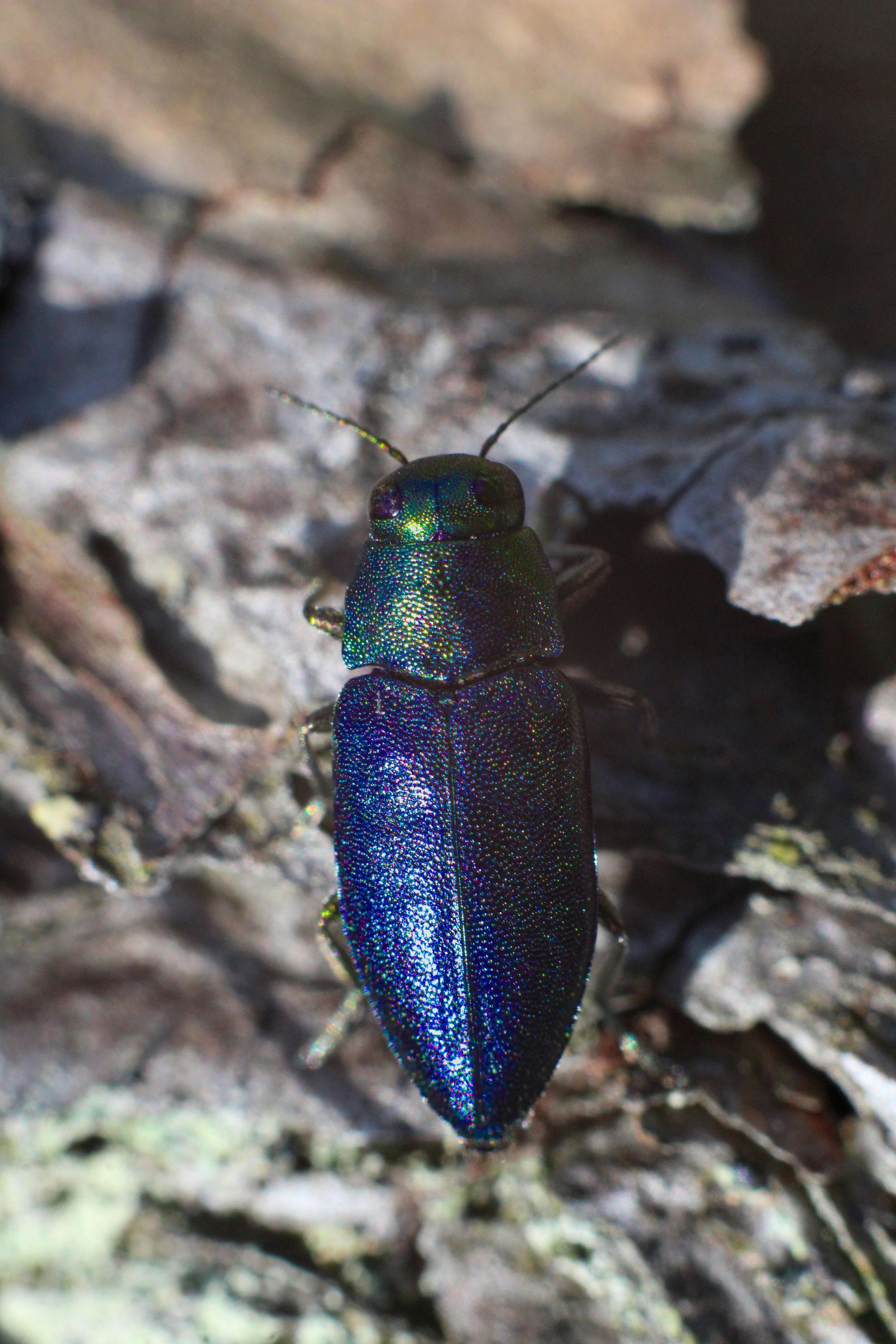
Pests and pathogens are a major contributing factor to tree mortality in the Seattle area, especially when trees are already stressed by environmental or soil-related issues.
One of the most commonly observed infestations is the Bronze Birch Borer, which frequently affects ornamental birch trees. In many cases, by the time visible symptoms appear, the infestation is already advanced and causing canopy dieback.
We are also seeing:
It is important to recognize that pests and pathogens typically attack trees that are already weakened by environmental stress.
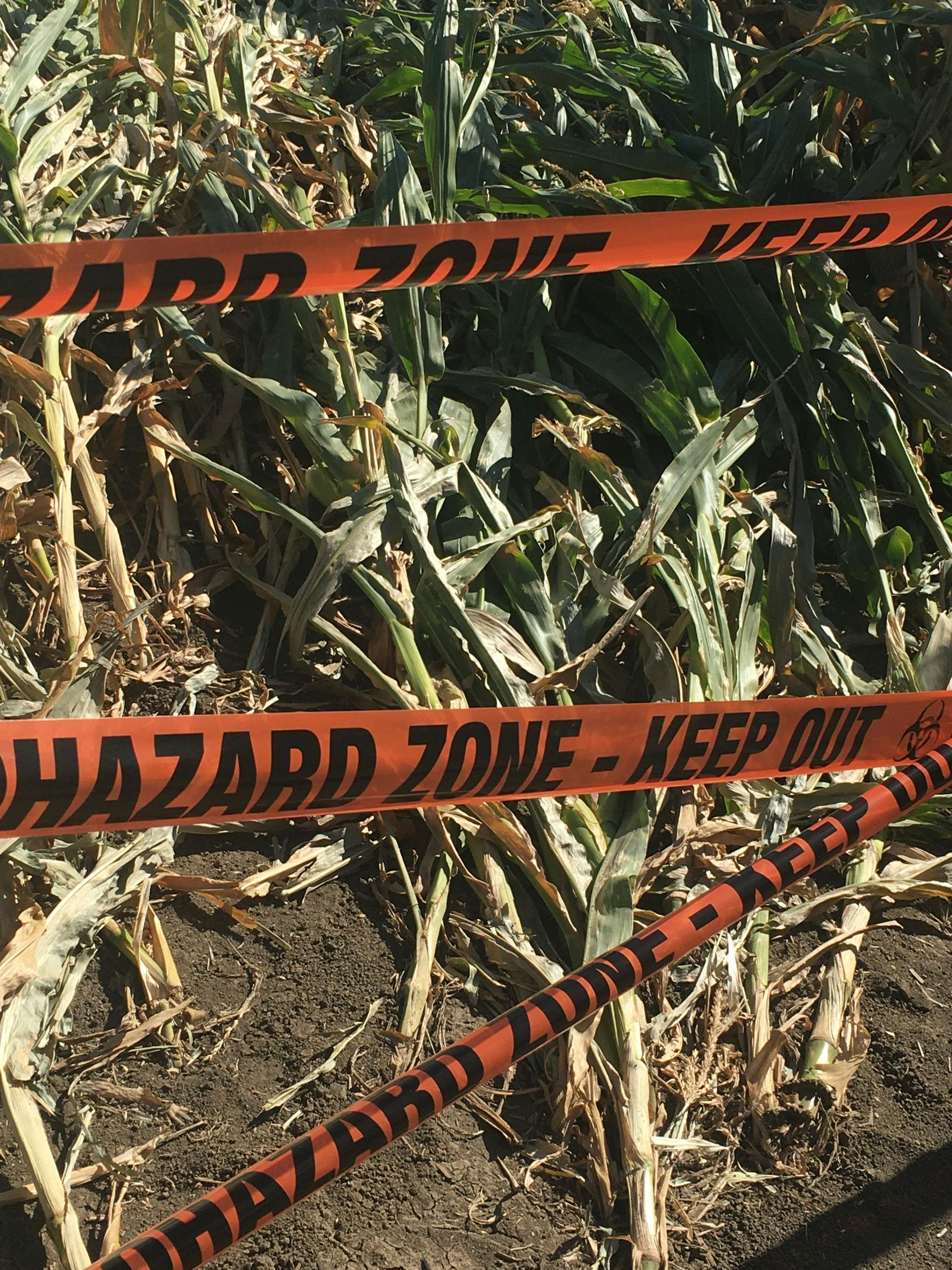
Urban trees are frequently exposed to chemicals that negatively impact soil health and root function. Herbicides, pesticides, road salts, pet waste, and pollutants can accumulate in the soil and create toxic conditions for sensitive tree species.
Common chemical stress sources include:
Even small amounts of chemical exposure over time can damage feeder roots and disrupt nutrient absorption, leading to gradual decline.
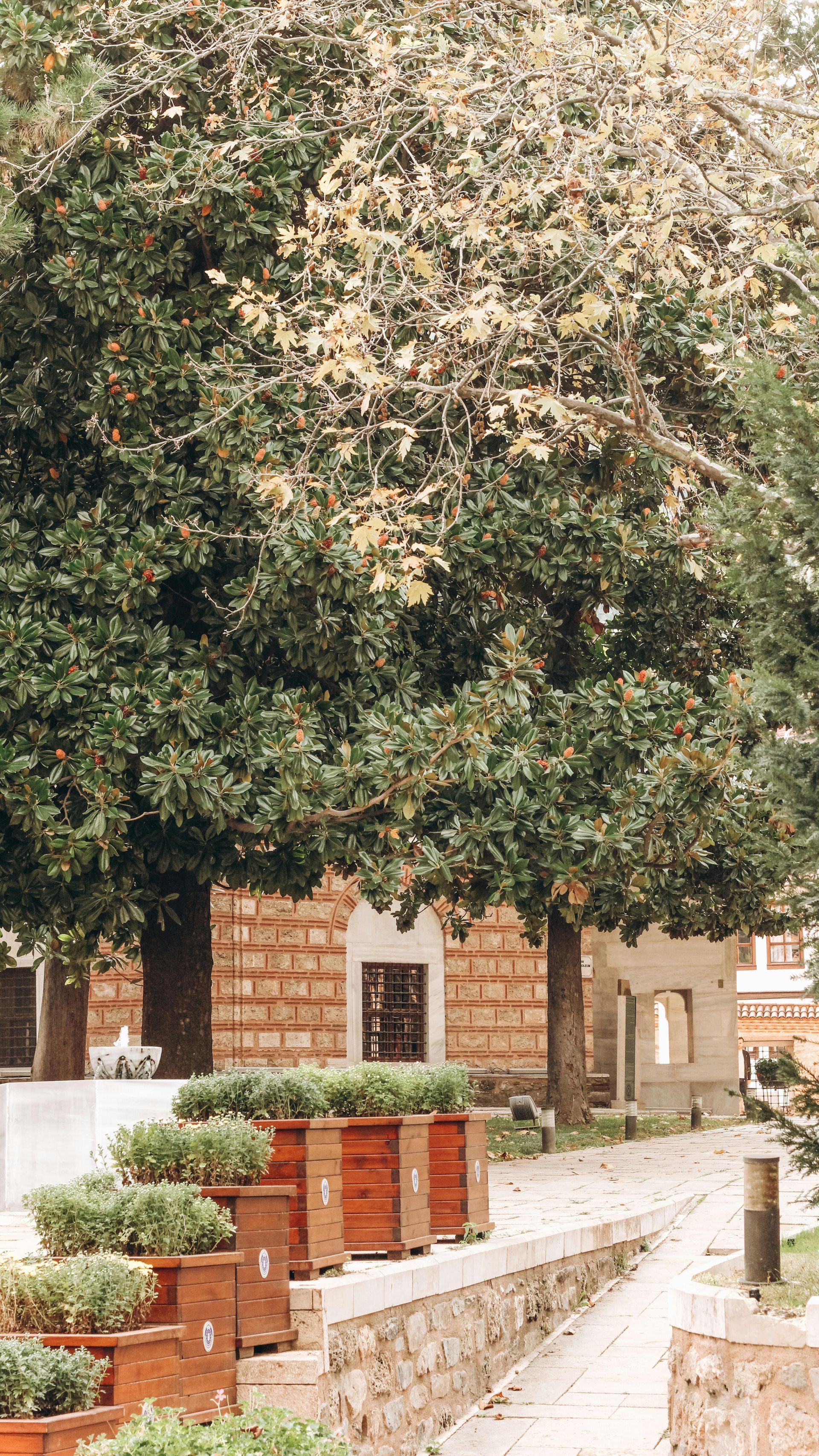
Trees in open-access urban environments face chronic stress that is rarely present in protected residential landscapes. Street trees and unfenced landscape trees are often subjected to repeated disturbance from foot traffic, soil compaction, waste accumulation, and environmental pressures associated with dense populations.
In high-traffic areas throughout Seattle, it is common to observe declining trees where the root zone is heavily disturbed or used as a gathering space. This ongoing stress reduces soil quality, damages roots, and accelerates decline compared to trees growing in protected suburban settings.
If you only do a few things, start here—these are common issues we correct during arborist visits in the Seattle area.
Maintaining tree health in the Seattle region requires proactive care and an understanding of local environmental conditions. Proper watering practices, root zone protection, pest monitoring, and professional arborist assessments are critical to preventing long-term decline.
Because urban landscapes are constantly changing due to development, weather patterns, and human activity, routine inspections by a certified arborist can identify stress factors before they lead to irreversible damage or hazardous tree failure.
These symptoms often indicate underlying stress in the root zone, canopy, or trunk. Early diagnosis can prevent irreversible decline.
Trees rarely decline from a single cause. In most cases, tree death in Seattle landscapes results from a combination of soil stress, environmental factors, pests, pathogens, and urban conditions that weaken the tree over time.
If you notice signs of decline, early diagnosis is essential. A professional tree risk assessment or arborist inspection can help identify the root cause and determine whether preservation, treatment, or removal is the safest and most appropriate course of action.
Sound Tree Care LLC provides professional
arborist evaluations,
tree risk assessments, and
tree care services throughout Seattle, Bellevue, SeaTac, and the greater Puget Sound region.
Sound Tree Care LLC
is a tree care company serving Seatac and the greater Seattle, Washington, area with superior tree pruning, tree rehabilitation, support systems, and more. With a certified arborist on our team, we can address any concerns about your tree and provide you with the fall tree care services you need.
Sound Tree Care LLC Operations
(Not Open to Public)
3057 S 146th St SeaTac, WA 98168
Office Hours
Mon–Fri: 8:00 AM – 4:00 PM