
When to Plant Trees: Best Time of Year + Spring Planting Tips🌱

March 1, 2025
arborist in red hard hat with face shield smiling outside near trees.

Written By: Eric Ledford


ISA Certified Arborist – PN-9290A 

ISA Qualified Tree Risk Assessor (TRAQ)


Quick Answer:
In most climates, the best time to plant trees is early fall or early spring. Fall planting helps roots establish before summer heat, while spring planting (March–April in the Pacific Northwest) works well because soils are moist and temperatures are mild.
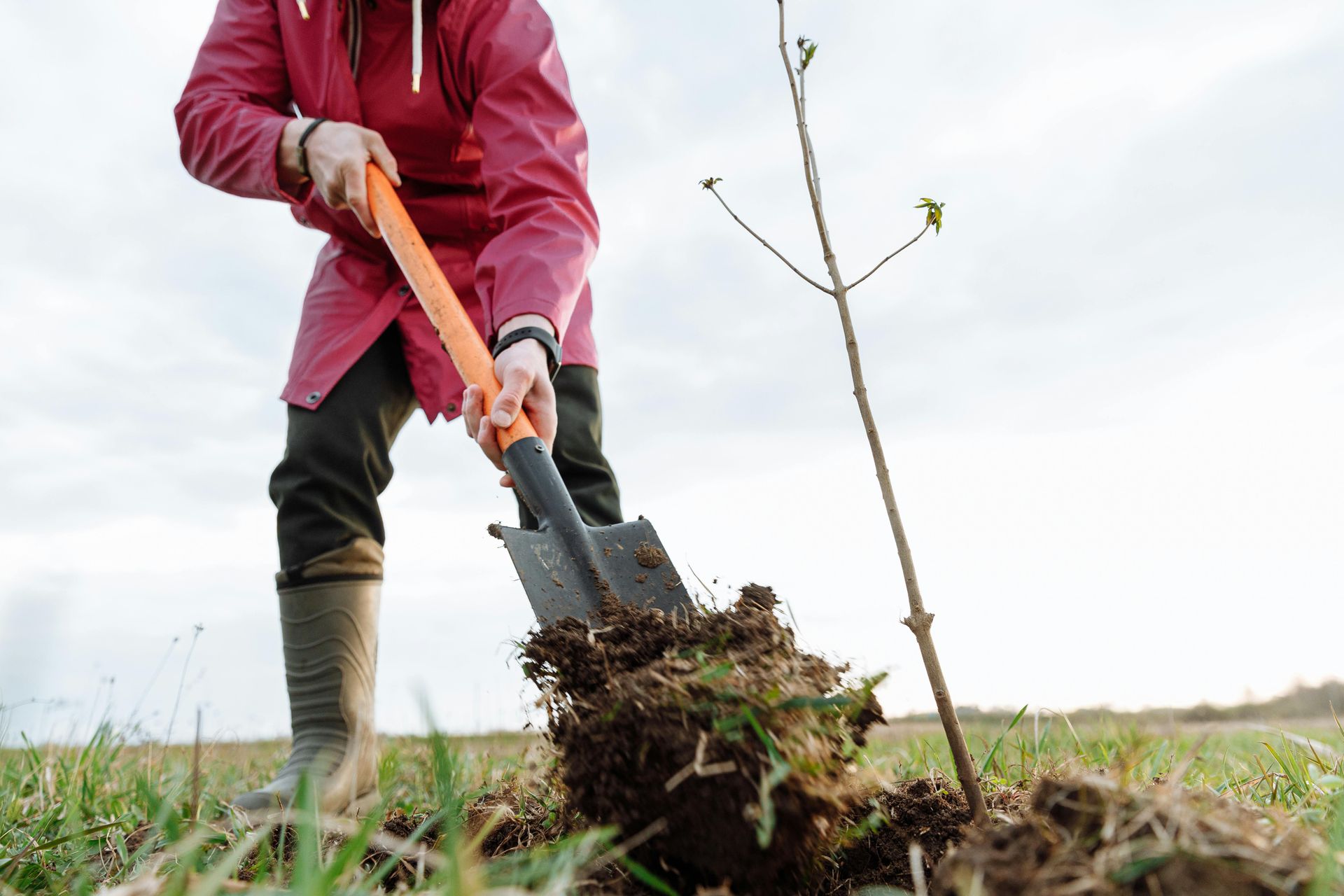
planting young tree

Best Time to Plant Trees (Spring vs Fall)🌱

🍂 Fall

Fall is often considered the best time to plant trees. Cooler air temperatures reduce stress, while warm soil allows roots to establish before winter dormancy.

Pros: Strong root growth, less watering needed.
Cons: Limited planting window before hard freezes.

🌱 Spring

Spring is a popular and effective time to plant, especially in cooler, wetter regions. Moist soils and mild temperatures help trees establish before summer heat arrives.

Pros: Good establishment, wide plant availability.
Cons: Requires consistent watering as temperatures rise.

☀️ Summer

You can plant trees in summer, but it comes with higher risk. Heat stress and rapid moisture loss make proper irrigation critical.

Pros: Immediate landscape impact.
Cons: High water needs, greater failure risk.

❄️ Winter

Winter planting is possible in mild climates when the ground isn’t frozen. Dormant trees can be planted successfully under the right conditions.

Pros: Less transplant shock, easier scheduling.
Cons: Limited to suitable weather and soil conditions.

How Deep Should You Plant a Tree?

Important: Planting too deep and “mulch volcanoes” (mounding mulch against the trunk) are two of the most common reasons newly planted trees fail. The third is inconsistent watering. Getting planting depth right—and keeping mulch off the trunk—dramatically improves survival.

⬇️ Too Deep

Planting too deep buries the root flare and reduces oxygen to roots. Over time, it can lead to trunk rot, poor growth, and decline.

Common signs: No trunk flare visible at soil level, soil or mulch touching bark, settling after planting.

Fix: Re-set the tree higher so the root flare sits at or slightly above finished grade.

✅ Just Right

The root flare(where the trunk widens into roots) should be at or slightly above the surrounding soil. The hole should be 2–3× wider than the root ball, but not deeper than the root ball height.

Mulch: 2–4 inches deep in a wide ring—kept several inches away from the trunk.

⬆️ Too Shallow

Planting too shallow can expose roots and cause the root ball to dry out quickly. The tree may rock in wind and struggle to establish.

Common signs: Visible roots at the surface, exposed root ball edges, tree dries out fast even with watering.

Fix: Add soil around (not over the trunk) and mulch outward to protect roots while keeping the flare visible.

Most newly planted trees should be set so the root flare is at or slightly above grade; planting too deep is a leading cause of tree failure.

Quick Planting Depth Checklist

  • Root flare visible: Trunk widens at the soil line (not buried).
  • No mulch on bark: Avoid mulch volcanoes—keep mulch several inches off the trunk.
  • Water like it matters: Deep watering during establishment is essential, especially in dry spells.

Why Spring is Perfect for Planting

Spring planting allows trees to establish roots during cool, moist conditions before summer heat arrives. In regions with reliable spring rainfall, this often leads to stronger early growth and higher survival rates—especially when planting depth and watering are handled correctly.


Choosing the Right Native Trees

Choosing native trees increases planting success by matching species to local soils, rainfall patterns, and wildlife needs.

Evergreens

  • Western Red Cedar (Thuja plicata): A towering conifer with fragrant foliage, ideal for moist soils.
  • Western Hemlock (Tsuga heterophylla): The state tree of Washington, known for its graceful, drooping branches.
  • Sitka Spruce (Picea sitchensis): Thrives in coastal areas, boasting strong wood and striking appearance.
  • Mountain Hemlock (Tsuga mertensiana): A slow-growing evergreen suited for cooler, higher elevations.
  • Ponderosa Pine (Pinus ponderosa): With its signature long needles and orange-brown bark, it flourishes in well-drained soils.
  • Lodgepole Pine (Pinus contorta): Hardy and adaptable, this tree thrives in diverse conditions, from lowlands to mountains.
  • Pacific Yew (Taxus brevifolia): A slow-growing evergreen prized for its beautiful wood and shade tolerance.
  • Pacific Dogwood (Cornus nuttallii): A stunning tree with large white bracts and vibrant berries that attract birds.

Deciduous Trees

  • Bigleaf Maple (Acer macrophyllum): A shade-providing giant with large, vibrant leaves.
  • Vine Maple (Acer circinatum): A small, multi-stemmed tree with vivid fall colors, perfect for adding charm to smaller spaces.
  • Pacific Madrone (Arbutus menziesii): Known for its smooth, reddish bark and evergreen leaves, this tree thrives in well-drained soils.


Preparing Your Planting Site

  • Assess the site: Check sunlight, soil type, and available space at maturity.
  • Test drainage: Ensure water drains within 24 hours.
  • Clear competition: Remove grass and weeds to reduce moisture loss.

Tree Planting Steps

  • Dig the hole: Make it 2–3× wider than the root ball, but no deeper than its height.
  • Prepare the roots: Loosen circling or matted roots to encourage outward growth.
  • Set planting depth: Place the tree so the root flare sits at or slightly above finished grade.
  • Backfill: Use native soil—avoid heavy amendments that can discourage root spread.
  • Water thoroughly: Saturate the soil immediately after planting to eliminate air pockets.
  • Mulch correctly: Apply 2–4 inches of mulch, keeping it several inches away from the trunk.

Planting Steps

  1. Dig the Hole: Make it twice as wide as the root ball and as deep as its height.
  2. Prepare the Roots: Loosen any circling roots to encourage outward growth.
  3. Position Correctly: Ensure the root flare is at soil level.
  4. Backfill: Refill the hole with native soil, avoiding amendments.
  5. Water Thoroughly: Saturate the soil immediately after planting.
  6. Add Mulch: Apply 2-4 inches of mulch around the base, keeping it clear of the trunk.


Aftercare Tips

  • Water Regularly: Especially during dry periods, keep the soil evenly moist.
  • Protect the Tree: Use guards to shield young trees from wildlife or mechanical damage.
  • Monitor Growth: Remove weeds and check for pests or diseases.


Benefits of Native Trees

Planting native trees is a gift to your local ecosystem. They support biodiversity, provide natural habitat, improve air and water quality, and adapt seamlessly to the climate.


Local Resources in the Pacific Northwest 🌲

  • King Conservation District: Offers a wide range of native trees and shrubs.
  • WNPS Home: A fantastic resource for learning more about native species.
  • Local Nurseries: Many offer expert advice and native plant selections.


Tree Planting Steps

  1. Dig the hole: Make it 2–3× wider than the root ball, but no deeper than the root ball height.
  2. Prepare the roots: Gently loosen circling or matted roots to encourage outward growth.
  3. Set planting depth: Position the tree so the root flare sits at or slightly above finished grade.
  4. Backfill: Use native soil only—avoid heavy amendments that can trap roots.
  5. Water thoroughly: Saturate the soil immediately after planting to eliminate air pockets.
  6. Mulch correctly: Apply 2–4 inches of mulch, keeping it several inches away from the trunk.
Featured on Redfin graphic

Check out the recent Redfin article we were featured in:


In this Redfin article, we’re breaking down how to plant a tree the right way—whether you’re adding curb appeal to your home in Boise, ID or enhancing your backyard in Charlotte, NC. Tree planting isn’t just about digging a hole—it’s about setting roots for long-term success. Follow this detailed, expert-backed guide to give your tree the best start possible. 


How to Plant a Tree That Thrives, Even If You Don’t Have a Green Thumb | Redfin (Parent company of ApartmentGuide and Rent.)

Tree Planting Steps

  • Dig the hole: Make it 2–3× wider than the root ball, but no deeper than its height.
  • Prepare the roots: Loosen circling or matted roots to encourage outward growth.
  • Set planting depth: Place the tree so the root flare sits at or slightly above grade.
  • Backfill: Use native soil—avoid heavy amendments.
  • Water thoroughly: Saturate soil immediately after planting.
  • Mulch correctly: Apply 2–4 inches deep, keeping mulch off the trunk.

💬 FAQ: When to Plant Trees

This FAQ answers the most common questions homeowners ask about when to plant trees and the best time to plant trees throughout the year. Use it to compare spring vs. fall planting, understand the best time of year to plant trees in different conditions, and avoid common mistakes that can reduce survival rates. If you’re wondering about the best time to plant a tree, this section will help you choose the right season and timing based on weather, soil moisture, and the type of tree you’re planting.

  • Is March a good time to plant trees?

    Yes—March is often a great time to plant in cooler, wetter climates. In the Pacific Northwest, March through April is commonly ideal.

    Learn about Tree Removal Costs
  • Is fall a good time to plant trees?

    Arborist inspects a tree

    Yes—fall is often the best season because roots can establish before summer heat, especially when watering is consistent.

  • Is it too late to plant trees in spring?

    Logo of the Washington State Department of Labor & Industries: a white, abstract symbol on a blue background, next to text.

    It depends on weather. Once hot, dry conditions arrive, planting becomes riskier unless you can irrigate consistently.

🌱 Ready for Expert Tree Planting & Arborist Guidance?


Planting a tree the right way sets it up for decades of healthy growth. Whether you need help selecting the right species, planting native trees, or ensuring proper spacing and soil conditions, Sound Tree Care LLC is here to help.  Our ISA Certified Arborists provide expert, code-compliant tree planting and consulting throughout the Puget Sound region.


Why Homeowners Trust Sound Tree Care

  • 🌳 Proper planting for long-term tree health
  • 📍 Native tree selection for Pacific Northwest conditions
  • 🛠️ Professional installation & aftercare guidance
  • 🧾 Permit and code guidance when required
  • 5-Star Rated on Google, Yelp & Facebook
  • 🎖️ ISA Certified Arborists, TRAQ-Qualified


📞 Call Us Today:  206-486-7790

📬 Or Request Quote Online → Free Quote Online

 📍 Proudly serving Seattle, Bellevue, Tacoma, Kent, Renton & the greater Puget Sound Area.